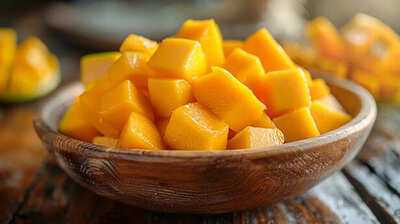
5 Secret Ways to Pick Sweet Mangoes Without Cutting
Have you ever brought home mangoes that looked absolutely perfect only to taste them and feel completely disappointed? It’s a common frustration. You carefully pick the best-looking ones, yet they turn out sour or bland inside. It almost feels like luck is against you. But what if it isn’t luck at all? What if there are simple signs hidden in plain sight that reveal the sweetness before you even cut the fruit? It may sound unbelievable, but once you understand these small clues, choosing a perfectly sweet mango stops being a guess and becomes a skill.
The Stem Tells the First Secret

Start by looking at the top of the mango where it was plucked. If the stem area appears slightly sunken and the fruit looks full around it, that’s a good sign of ripeness and sweetness. But if the stem looks flat or too visible, the mango may not be fully sweet yet. This small detail is often ignored, but it gives a strong first clue. Experienced buyers always check this before anything else because it reflects how naturally the fruit has matured.
The Base Reveals the Truth
Turn the mango and observe its base carefully. If the bottom looks smooth and clean, it’s usually a good sign of a healthy, sweet fruit. But if it appears dark, wrinkled, or shriveled, the mango may be overripe or starting to spoil. This is where many people make mistakes they ignore the base completely. A quick check here can save you from picking a fruit that looks fine outside but is already past its best stage.
The Gentle Press TestGently press the mango in the middle. A perfect mango feels slightly soft but not too mushy. If it’s rock hard, it’s still unripe. If it sinks too easily, it’s overripe. The ideal sweetness lies in that balanced softness. This simple touch test gives you instant feedback. But be careful press gently. Pressing too hard can damage the fruit. Once you learn this balance, you’ll rarely go wrong in choosing a sweet mango.
The Aroma Test Nobody UsesOne of the easiest and most reliable ways is to smell the mango near its stem. A sweet, pleasant fragrance means the fruit is ripe and ready. If there is little to no smell, or it smells sour or fermented, it’s either unripe or spoiled. Surprisingly, many people skip this step, even though it’s one of the most accurate indicators. Your nose can often detect what your eyes cannot.
The Color Clue You Must NoticeLook at the color of the mango, but don’t rely on it completely. A ripe mango often has a yellow-orange tone with a slight red blush. If it’s completely green, it’s likely unripe. However, color alone can be misleading because different varieties look different. That’s why this step should be combined with others. When color matches softness, smell, and shape, you can be confident you’ve picked a sweet mango.
Unlock insightful tips and inspiration on personal growth, productivity, and well-being. Stay motivated and updated with the latest at My Life XP.
Frequently Asked Questions (FAQs)
1. Can I really tell if a mango is sweet without cutting it?
Yes, you can get a very good idea by checking its smell, softness, color, and shape. While it’s not 100% guaranteed, these signs greatly increase your chances of picking a sweet mango.
2. Why do some mangoes look good but taste bad?
Appearance can be misleading. Some mangoes are artificially ripened or picked too early, which affects their taste even if they look perfect from the outside.
3. What is the most reliable way to check sweetness?
Smelling the mango near the stem is one of the most reliable methods. A naturally sweet mango usually has a pleasant, fruity aroma.
4. Should I only rely on color while buying mangoes?
No, color alone is not enough. Different varieties have different colors. Always combine color with touch, smell, and shape for better results.
5. Is a very soft mango always sweet?
Not necessarily. If it’s too soft, it might be overripe or spoiled. The best mango feels slightly soft but still firm.
6. Do all mango varieties follow the same signs?
Most general signs apply, but slight differences exist between varieties. With practice, you’ll learn to identify sweetness more accurately.
The Stem Tells the First Secret
The stem area reveals hidden ripeness clues
Start by looking at the top of the mango where it was plucked. If the stem area appears slightly sunken and the fruit looks full around it, that’s a good sign of ripeness and sweetness. But if the stem looks flat or too visible, the mango may not be fully sweet yet. This small detail is often ignored, but it gives a strong first clue. Experienced buyers always check this before anything else because it reflects how naturally the fruit has matured.
The Base Reveals the Truth
The bottom part shows if it’s perfect or spoiled
Turn the mango and observe its base carefully. If the bottom looks smooth and clean, it’s usually a good sign of a healthy, sweet fruit. But if it appears dark, wrinkled, or shriveled, the mango may be overripe or starting to spoil. This is where many people make mistakes they ignore the base completely. A quick check here can save you from picking a fruit that looks fine outside but is already past its best stage.
The Gentle Press TestGently press the mango in the middle. A perfect mango feels slightly soft but not too mushy. If it’s rock hard, it’s still unripe. If it sinks too easily, it’s overripe. The ideal sweetness lies in that balanced softness. This simple touch test gives you instant feedback. But be careful press gently. Pressing too hard can damage the fruit. Once you learn this balance, you’ll rarely go wrong in choosing a sweet mango.
The Aroma Test Nobody UsesOne of the easiest and most reliable ways is to smell the mango near its stem. A sweet, pleasant fragrance means the fruit is ripe and ready. If there is little to no smell, or it smells sour or fermented, it’s either unripe or spoiled. Surprisingly, many people skip this step, even though it’s one of the most accurate indicators. Your nose can often detect what your eyes cannot.
The Color Clue You Must NoticeLook at the color of the mango, but don’t rely on it completely. A ripe mango often has a yellow-orange tone with a slight red blush. If it’s completely green, it’s likely unripe. However, color alone can be misleading because different varieties look different. That’s why this step should be combined with others. When color matches softness, smell, and shape, you can be confident you’ve picked a sweet mango.
Unlock insightful tips and inspiration on personal growth, productivity, and well-being. Stay motivated and updated with the latest at My Life XP.
Frequently Asked Questions (FAQs)
1. Can I really tell if a mango is sweet without cutting it?
Yes, you can get a very good idea by checking its smell, softness, color, and shape. While it’s not 100% guaranteed, these signs greatly increase your chances of picking a sweet mango.
2. Why do some mangoes look good but taste bad?
Appearance can be misleading. Some mangoes are artificially ripened or picked too early, which affects their taste even if they look perfect from the outside.
3. What is the most reliable way to check sweetness?
Smelling the mango near the stem is one of the most reliable methods. A naturally sweet mango usually has a pleasant, fruity aroma.
4. Should I only rely on color while buying mangoes?
No, color alone is not enough. Different varieties have different colors. Always combine color with touch, smell, and shape for better results.
5. Is a very soft mango always sweet?
Not necessarily. If it’s too soft, it might be overripe or spoiled. The best mango feels slightly soft but still firm.
6. Do all mango varieties follow the same signs?
Most general signs apply, but slight differences exist between varieties. With practice, you’ll learn to identify sweetness more accurately.
Contact to : xlf550402@gmail.com
Copyright © boyuanhulian 2020 - 2023. All Right Reserved.