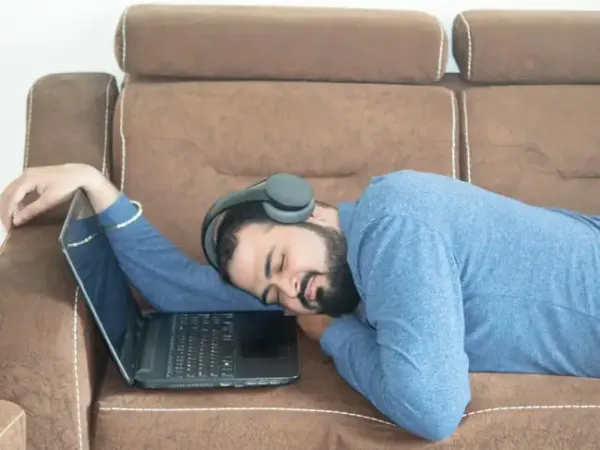
A short nap during the day is often seen as a healthy habit. Many people rely on it to feel refreshed, especially after a poor night’s sleep. But a recent observation shared by a senior doctor has raised concerns about when exactly you should be taking that nap. According to him, the timing of your daytime sleep may matter more than the nap itself.
Dr Sudhir Kumar, who is associated with Apollo Hospitals in Hyderabad, recently discussed this on X, pointing to findings published in JAMA Network Open (2026). He highlighted that not all naps are equal, and in some cases, they may even signal underlying health issues.
He explained that this difference is not random. According to him, a nap taken too early in the day is often not just about feeling tired. It may point towards something deeper going on in the body.
As he noted, a morning nap is “not just a rest, it is often a clinical symptom.”
Another possible reason is sleep apnea. In such cases, a person may technically be asleep, but their breathing is disturbed, which reduces sleep quality and leaves them feeling exhausted by mid-morning.
He also pointed to hidden inflammation as a factor. Persistent fatigue early in the day, he said, is often linked with systemic inflammation in the body, something that may not always be obvious otherwise.
He recommended a “golden window” between 1:00 PM and 3:00 PM. This period aligns with the body’s natural circadian rhythm, when energy levels tend to dip slightly after lunch.
Duration matters as well. Keeping naps short — around 20 to 30 minutes — is considered ideal. Longer naps can lead to grogginess and may also interfere with night-time sleep.
The broader takeaway from his post was simple. If someone regularly feels the need to nap before lunch, it should not be ignored. Rather than just trying to catch up on sleep during the day, it may be worth looking into sleep quality at night or consulting a specialist.
As he put it, if you are consistently needing a nap before lunch, “don’t just ‘sleep it off.’ It is time to investigate your night-time sleep quality or speak to a specialist.”
Dr Sudhir Kumar, who is associated with Apollo Hospitals in Hyderabad, recently discussed this on X, pointing to findings published in JAMA Network Open (2026). He highlighted that not all naps are equal, and in some cases, they may even signal underlying health issues.
Morning naps may not be as harmless as they seem
In his post, the doctor raised a key question about whether your nap timing could be a “red flag” for your health. He referred to research which found that people who tend to nap between 9 AM and 1 PM — described as “morning nappers” — showed a 30% higher risk of mortality compared to those who nap later in the day.He explained that this difference is not random. According to him, a nap taken too early in the day is often not just about feeling tired. It may point towards something deeper going on in the body.
As he noted, a morning nap is “not just a rest, it is often a clinical symptom.”
What could early-day fatigue indicate?
The doctor outlined several possible reasons why someone might feel the need to sleep before noon. One of the most common causes is poor sleep at night. People who experience frequent interruptions or insomnia may not get proper rest, even if they spend enough time in bed.Another possible reason is sleep apnea. In such cases, a person may technically be asleep, but their breathing is disturbed, which reduces sleep quality and leaves them feeling exhausted by mid-morning.
He also pointed to hidden inflammation as a factor. Persistent fatigue early in the day, he said, is often linked with systemic inflammation in the body, something that may not always be obvious otherwise.
The safer window for napping
Instead of avoiding naps altogether, the doctor suggested following what he called a “middle path.” If someone feels the need to nap, doing it at the right time can make a difference.He recommended a “golden window” between 1:00 PM and 3:00 PM. This period aligns with the body’s natural circadian rhythm, when energy levels tend to dip slightly after lunch.
Duration matters as well. Keeping naps short — around 20 to 30 minutes — is considered ideal. Longer naps can lead to grogginess and may also interfere with night-time sleep.
The broader takeaway from his post was simple. If someone regularly feels the need to nap before lunch, it should not be ignored. Rather than just trying to catch up on sleep during the day, it may be worth looking into sleep quality at night or consulting a specialist.
As he put it, if you are consistently needing a nap before lunch, “don’t just ‘sleep it off.’ It is time to investigate your night-time sleep quality or speak to a specialist.”