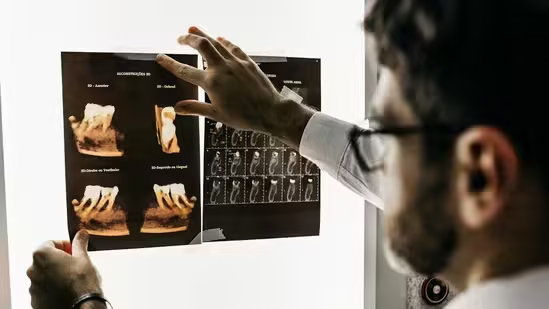
While regular dental check-ups should be a part of regular health checks, it is not a rule that is popularly followed. And that might lead to one being left unaware of the signs of overall health issues that dentists may be able to identify.
Taking to Instagram on April 23, Dr Mark Burhenne, a San Francisco-based dentist with four decades of experience, shared that some signs in the mouth can indicate the risk of colorectal cancer. The colon is the first and longest part of the large intestine, and the rectum begins in the last few inches. They are connected to the mouth via the oesophagus.
“If your dentist only checks for cavities, they’re missing something your gastroenterologist would want to know about,” shared Dr Burhenne. “A 2024 meta-analysis of 16.6 million people found that gum disease is associated with a 21 percent increased risk of colorectal cancer – consistent across 19 studies.
A likely reason for the phenomenon is that the oral bacterium Fusobacterium nucleatum, a primary driver of gum disease, has been found living inside colorectal tumours in approximately half of the cases studied. Researchers believe that it travels from the mouth down the gut to ultimately infect the lower gut.
Dr Burhenne listed six signs inside the mouth that give us an early warning about the presence of the harmful microorganism. They are as follows.
1. Bleeding gums
Bleeding gums are a sign of chronic bacterial inflammation. Now that bacterial infection in the mouth has been linked to colorectal cancer risk, it is no longer simply a dental problem, shared Dr Burhenne.
2. Persistent bad breath
Bad breath is popularly considered to be a symptom of poor oral hygiene. However, it can signal bacterial growth in the mouth that once again puts the regions down the food pipe at risk.
3. Inflamed gums
Sustained inflammation of the gum, which does not go away no matter how well the teeth are brushed, is believed to be driving the connection between oral health and colorectal cancer risk, noted Dr Burhenne.
4. Receding gums
Receding gum is when the tissue surrounding the teeth wears away or pulls back, leaving the roots exposed and creating gaps between the teeth. This suggests years of microbial imbalance, indicating elevated exposure to pathogenic bacteria.
5. Heavy tartar buildup
Tartar, or hardened plaque, is a calcified, bacteria-filled film on teeth and under the gum line that protects the harmful microbes from the immune system, and allows them to make their way down the alimentary canal.
6. History of gum disease
A history of aggressive gum disease suggests that an individual’s systemic exposure to harmful bacteria has been elevated for years, which in turn suggests a higher risk of infection down the line.
With colon cancer being the most common cancer that causes death in men above the age of 50, any man above that age who is overdue for a colonoscopy is at risk, according to the dentist.
“This screening conversation needs to happen. The mouth is the beginning of the digestive tract. What lives there doesn’t always stay there,” he warned.
Contact to : xlf550402@gmail.com
Copyright © boyuanhulian 2020 - 2023. All Right Reserved.