Rekindling rhythm at Pt Chatur Lal's centenary in Delhi
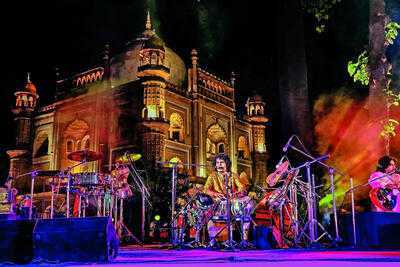
The beats of tabla and djembe conversed with the sitar , flute and the keyboard, making for a striking symphony against the illuminated backdrop of Safdarjung’s Tomb on Thursday. The evening, presented by the Pandit Chatur Lal Memorial Society in collaboration with Delhi Tourism , commemorated the birth centenary of the tabla virtuoso Pandit Chatur Lal.
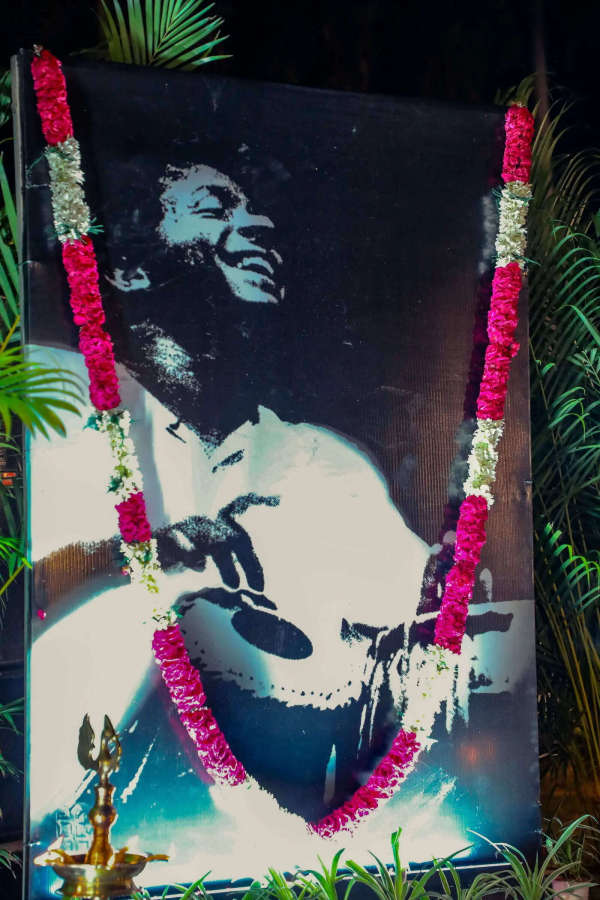
With a patriotic track titled Vande and a romantic composition, Pink Sunset, tabla player Pranshu Chatur Lal and his troupe presented Brahmand, a fusion set rooted in classical music yet expansive in sound.
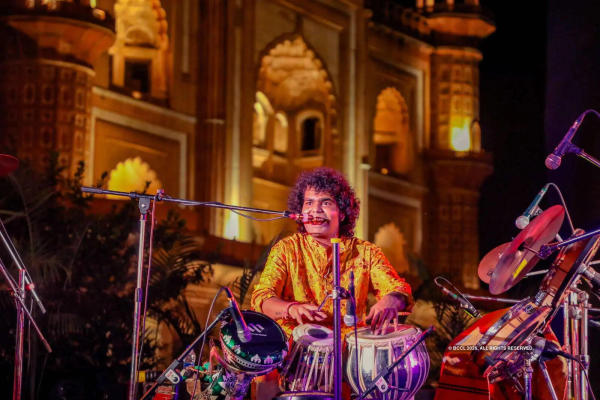
The evening progressed with a devotional performance by bhajan singer Anup Jalota , who also engaged in a jugalbandi with
percussionist Sivamani, bringing together rhythm and reverence in equal measure. In Jalota’s traditional gayaki and his easy, conversational commentary between tracks, paired with Sivamani’s dynamic drumming, the troupe moved seamlessly through bhajans like Ram Aayenge, Radha Aur Meera and Aisi Lagi Lagan, qawwalis like Chhap Tilak and Lal Meri Pat Rakhiyo Bhala, while also revisiting Bollywood gems such as Chalte Chalte Mere Yeh Geet.
‘His rhythm is not confined to recordings or history books – it lives’
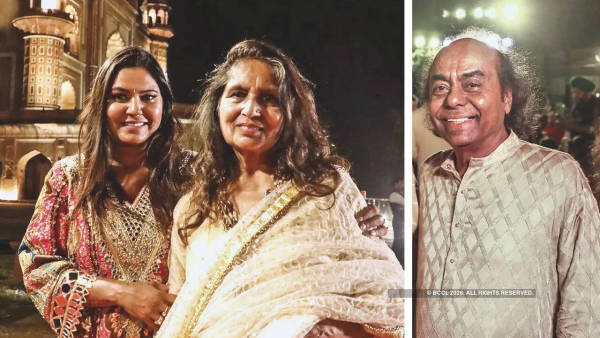
Between performances, Pranshu shared anecdotes about his grandfather, whom he fondly calls ‘Taa,’ reflecting on a legacy that continues to guide him. “My guru, my father Charanjeet Chatur Lal, taught me in physical form, but I have been taught many complex compositions by Taa in my dreams. So, I am blessed to have two gurus. My music is inspired by my grandfather and my father,” he said, drawing a quiet resonance from the audience as memory and music intertwined. “I have the responsibility of carrying his legacy forward through tabla. I feel scared, too. In those moments, I close my eyes and remember him.”
Quick take:
The selfie culture at Delhi mehfils
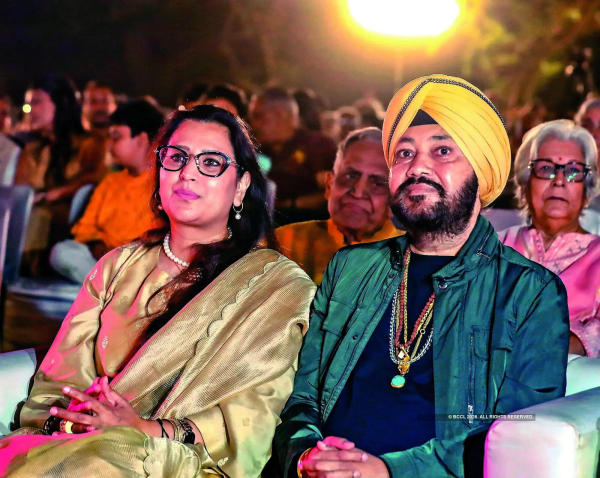
Imagine you’re at a mehfil in Delhi and a celebrity like Daler Mehndi – or someone of similar stature – isn’t on stage, but seated among the audience as a chief guest. That kind of proximity can go two ways. In an ideal setting, the audience would deepen their engagement with the artiste performing on stage (just like Daler paaji was),
while also respecting the guest’s personal space.
But at mehfils across Delhi, that balance slips. The presence of a well-known face often turns into a distraction – a cue for a stream of selfie requests. It even takes the limelight away from the performing artiste, who, in the classical arts, expects the audience to maintain decorum. What begins as admiration quickly borders on intrusion, with the celebrity left to oblige until security or organisers step in to restore order.
As an observer, the absence of courtesy is hard to ignore.
Perhaps it’s time to remember that both the performer on stage and the guest in the audience are there for the music. A mehfil isn’t just another social opportunity; it asks you to slow down, absorb, and understand its decorum. Not every moment needs to be punctuated with “Ek selfie, please.” Sometimes, the real takeaway is knowing when to stay seated, listen, and let the mehfil unfold without interruption.
With a patriotic track titled Vande and a romantic composition, Pink Sunset, tabla player Pranshu Chatur Lal and his troupe presented Brahmand, a fusion set rooted in classical music yet expansive in sound.
The evening progressed with a devotional performance by bhajan singer Anup Jalota , who also engaged in a jugalbandi with
percussionist Sivamani, bringing together rhythm and reverence in equal measure. In Jalota’s traditional gayaki and his easy, conversational commentary between tracks, paired with Sivamani’s dynamic drumming, the troupe moved seamlessly through bhajans like Ram Aayenge, Radha Aur Meera and Aisi Lagi Lagan, qawwalis like Chhap Tilak and Lal Meri Pat Rakhiyo Bhala, while also revisiting Bollywood gems such as Chalte Chalte Mere Yeh Geet.
‘His rhythm is not confined to recordings or history books – it lives’
Between performances, Pranshu shared anecdotes about his grandfather, whom he fondly calls ‘Taa,’ reflecting on a legacy that continues to guide him. “My guru, my father Charanjeet Chatur Lal, taught me in physical form, but I have been taught many complex compositions by Taa in my dreams. So, I am blessed to have two gurus. My music is inspired by my grandfather and my father,” he said, drawing a quiet resonance from the audience as memory and music intertwined. “I have the responsibility of carrying his legacy forward through tabla. I feel scared, too. In those moments, I close my eyes and remember him.”
Quick take:
The selfie culture at Delhi mehfils
Imagine you’re at a mehfil in Delhi and a celebrity like Daler Mehndi – or someone of similar stature – isn’t on stage, but seated among the audience as a chief guest. That kind of proximity can go two ways. In an ideal setting, the audience would deepen their engagement with the artiste performing on stage (just like Daler paaji was),
while also respecting the guest’s personal space.
But at mehfils across Delhi, that balance slips. The presence of a well-known face often turns into a distraction – a cue for a stream of selfie requests. It even takes the limelight away from the performing artiste, who, in the classical arts, expects the audience to maintain decorum. What begins as admiration quickly borders on intrusion, with the celebrity left to oblige until security or organisers step in to restore order.
As an observer, the absence of courtesy is hard to ignore.
Perhaps it’s time to remember that both the performer on stage and the guest in the audience are there for the music. A mehfil isn’t just another social opportunity; it asks you to slow down, absorb, and understand its decorum. Not every moment needs to be punctuated with “Ek selfie, please.” Sometimes, the real takeaway is knowing when to stay seated, listen, and let the mehfil unfold without interruption.
Contact to : xlf550402@gmail.com
Copyright © boyuanhulian 2020 - 2023. All Right Reserved.