Divyanka Sirohi’s Death at 30 Highlights Silent Heart Risks: Why Young, ‘Healthy’ Adults May Miss Warning Signs
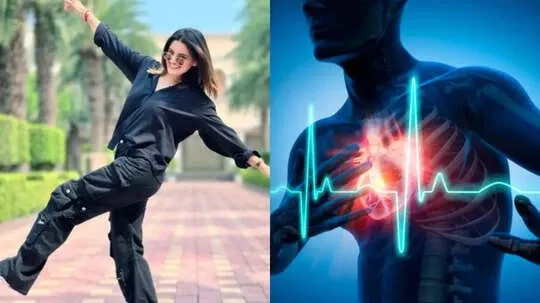
The sudden demise of Haryanvi actress Divyanka Sirohi at just 30 years of age has sent shockwaves across the entertainment industry and beyond.
According to news reports, she suffered a heart attack late at night at her residence and was rushed to a nearby hospital, where doctors declared her dead on arrival.
The tragic incident has once again raised urgent concerns about the rising risk of heart attacks in young adults.
Why are heart attack cases increasing in young people?
A heart attack - medically known as myocardial infarction- occurs when blood flow to the heart is blocked, leading to damage to the heart muscle. Traditionally associated with older adults, heart attacks are now increasingly being reported in individuals under 40 years of age. Experts link this worrying trend to several modern lifestyle factors:
- Chronic stress and long working hours
- Sedentary lifestyle and lack of physical activity
- Unhealthy diet high in processed and junk foods
- Smoking and alcohol consumption
- Rising cases of obesity and diabetes
In many cases, young individuals may not even realise they are at risk due to silent or undiagnosed conditions.
Early warning signs you must not ignore
One of the biggest challenges with cardiac events in young adults is that symptoms are often ignored or misinterpreted. Common heart attack symptoms include:
- Chest pain or discomfort
- Shortness of breath
- Pain radiating to the arm, jaw, or back
- Sudden fatigue or dizziness
- Nausea or cold sweats
Doctors say in younger people, symptoms may be milder or atypical, making early detection even more difficult.
Hidden risk factors to watch out for
Even seemingly healthy individuals can be vulnerable due to underlying conditions such as high blood pressure, high cholesterol levels, genetic predisposition to heart disease, and undiagnosed diabetes.
Regular health check-ups are essential to identify these risks early. While not all heart attacks can be prevented, adopting healthier habits can significantly reduce risk:
Eat heart-healthy foods
Focus on fruits, vegetables, whole grains, and lean proteins while limiting processed and high-fat foods.
Stay physically active
Aim for at least 30 minutes of moderate exercise daily to improve cardiovascular health.
Avoid smoking and limit alcohol
Both are major contributors to heart disease and should be minimised or eliminated.
Manage stress
Practices like yoga, meditation, and adequate sleep can help regulate stress levels.
Get regular health screenings
Routine checks for blood pressure, cholesterol, and blood sugar can detect early warning signs.
A wake-up call for youngsters
The untimely passing of Divyanka is not just a personal tragedy but is a stark reminder that heart health cannot be ignored at any age. With rising cases of sudden cardiac deaths among young adults, awareness and preventive care have never been more important.
Heart attacks are no longer limited to older populations. Recognising symptoms early, understanding risk factors, and making lifestyle changes can save lives. Your heart health matters - no matter your age. Do not wait for a warning sign to take action.
Contact to : xlf550402@gmail.com
Copyright © boyuanhulian 2020 - 2023. All Right Reserved.