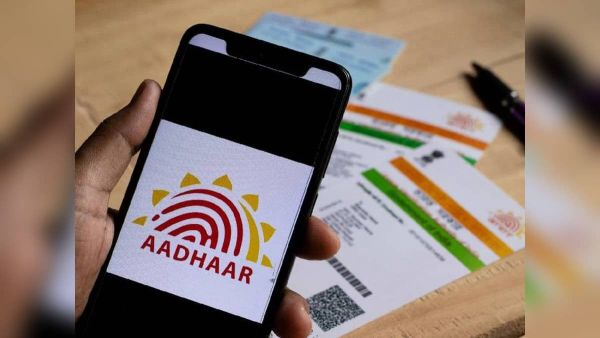
There are few things more bureaucratically uncomfortable than dealing with paperwork after someone passes away. Unfortunately, Aadhaar doesn’t magically deactivate itself. Someone has to tell the system that the person is no longer around.
And yes, if you don’t do it, the Aadhaar stays active. Which is about as reassuring as leaving your front door unlocked.
Why This Even Matters
Deactivating Aadhaar after death is not just a “nice to do.” It’s basic digital hygiene. UIDAI has repeatedly said this step helps prevent identity misuse, fraud, and unauthorised transactions in the name of the deceased.
In fact, over 2 crore Aadhaar numbers linked to deceased individuals have already been deactivated as part of a cleanup drive.
So yes, the government is serious about this. You probably should be, too.
Aadhaar Is NOT Auto-Deactivated
Here’s the part most people miss. Aadhaar does not automatically get cancelled when someone dies.
Unless it is already linked to official death records in the system, it will continue to remain active until a family member reports it.
Which means doing nothing is not neutral. It just leaves the identity open to misuse.
The Only Way to Do It
The process is now largely digital and handled through the official UIDAI portal. You don’t need to stand in a queue or fill out physical forms unless something goes wrong.
Step-by-Step: Reporting Death on Aadhaar
Here’s how it works:
- Go to the myAadhaar portal
- Log in using your own Aadhaar number and OTP
- Select “Report Death of a Family Member”
- Enter details of the deceased (Aadhaar number, name, date of death)
- Upload the death certificate (this is mandatory)
- Submit the request for verification
Once UIDAI verifies the details, the Aadhaar number is marked as deactivated and cannot be used anymore.
That’s it. No hidden step where you suddenly need to visit three offices and find a missing file from 2004.
What Documents You’ll Need
This is simple:
- Aadhaar number of the deceased
- Valid death certificate issued by local authorities
If your documents are unclear or mismatched, the request can get delayed.
How Long Does It Take?
There is no fixed official timeline. But typically:
- If records are already linked, deactivation can be quick
- If you submit manually, it may take a few days to weeks after verification
How to Check If Aadhaar Is Deactivated
You can verify status through the same portal using the “Check Deceased Aadhaar Deactivation Status” option, or by visiting an Aadhaar centre if you really want to step outside.
Contact to : xlf550402@gmail.com
Copyright © boyuanhulian 2020 - 2023. All Right Reserved.