
Dandruff is one of the most common scalp concerns people face, yet it is often misunderstood. A frequent assumption is that dandruff appears because the scalp is not clean enough or it is a mere skin problem. While hygiene plays a role in overall scalp care, hair care experts insist that dandruff itself is not simply a result of poor washing habits.
The pathophysiology of dandruff: Beyond hygiene
According to a recent , “Dandruff is not primarily a consequence of poor hygiene but a result of Malassezia-driven scalp barrier disruption and inflammatory response.” This reinforces that dandruff is not just about hygiene. It confirms that the condition is driven by microbial imbalance and inflammation, not simply infrequent washing.
In fact, many individuals who wash their hair regularly still experience persistent flakes and itching. To understand dandruff better, we need to look at what is causing it at the scalp level.
In an interview with the Times of India, Dr Priyanka Reddy, Founder and Chief Dermatologist at DNA Skin Clinics, shared, "Often, the first signal of a disturbed scalp environment is itching. Itch is the scalp’s way of sending an early warning that its natural balance is being disrupted, sometimes even before visible flakes appear."
Role of sebum–microbiome interactions in scalp disorders
At the core of dandruff is the overgrowth of a naturally occurring yeast called Malassezia globosa. Dr Reddy explained, "This microorganism normally lives on everyone’s scalp without causing harm. However, factors such as increased scalp oil production, excessive sweating, humid weather, pollution, stress, and irregular hair-washing habits can allow it to multiply rapidly."
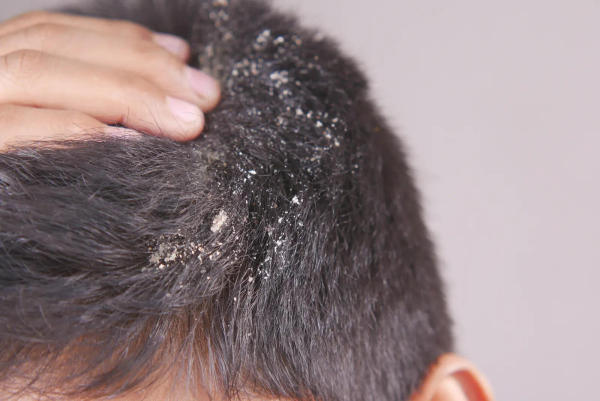
As Malassezia feeds on the natural oils produced by the scalp, known as sebum, it breaks them down into by-products that irritate the scalp barrier. Dr Reddy elaborated, "This irritation triggers inflammation and speeds up the turnover of skin cells, causing them to shed faster than usual and clump together as the visible flakes most commonly associated with dandruff."
A revealed, “Malassezia species metabolize sebum lipids into irritant by-products, which can trigger scalp inflammation and accelerate keratinocyte turnover leading to visible flaking.” This provides scientific backing for how dandruff forms at the scalp level, specifically how Malassezia interacts with sebum to cause irritation, itching and rapid skin shedding.
One of the biggest misconceptions about dandruff treatment is that removing visible flakes is enough. Many people switch shampoos frequently, choosing products that promise immediate flake removal. While these shampoos may temporarily reduce flakes, they may not always address the underlying microbial cause of dandruff. When the root trigger remains untreated, flakes often return.
This is where understanding shampoo ingredients become important. Dr Reddy claimed, "Not all anti-dandruff ingredients function in the same way. Some ingredients primarily help exfoliate the scalp or slow down the rate of skin cell shedding. While these approaches may reduce visible flakes for a short period, they may not always control the underlying fungal overgrowth responsible for recurrence. Dandruff occurs at the point where the scalp and hair interact, which means an effective solution needs to address both the scalp environment and the microbial imbalance."
Management of dandruff and seborrheic dermatitis
Ingredients that directly target Malassezia help address the root cause of dandruff rather than just its visible symptoms. According to Dr Reddy, one such clinically proven ingredient is Piroctone Olamine.
She said, "Piroctone Olamine is a clinically proven antifungal compound that works by disrupting the growth and activity of Malassezia, helping control its overgrowth on the scalp. By limiting fungal proliferation, it helps reduce irritation and restore balance to the scalp environment. At the same time, it is designed to be gentle enough for regular use, making it suitable for consistent scalp care."
A found, “Piroctone olamine demonstrated significant antifungal activity against Malassezia species, with sustained reduction in dandruff severity compared to non-antifungal formulations.” This validates the emphasis on checking shampoo ingredients, particularly Piroctone Olamine. It confirms that targeting the fungus directly is more effective than just removing flakes, supporting your “treat the root cause” message.
In addition, to choosing the right shampoo, maintaining healthy scalp habits can also make a difference. Dr Reddy advised, "Washing the scalp regularly, especially after heavy sweating, can help prevent the build-up of excess oil and environmental pollutants. Keeping helmets and hair accessories clean, avoiding prolonged moisture on the scalp, and managing stress can also support overall scalp health."
Dandruff may appear like a minor cosmetic concern but it often signals that the scalp’s balance has been disrupted. By understanding the role of Malassezia and choosing products that address the root cause rather than just the symptoms, individuals can make more informed choices and maintain a healthier, balanced and flake-free scalp with consistent care.
Contact to : xlf550402@gmail.com
Copyright © boyuanhulian 2020 - 2023. All Right Reserved.