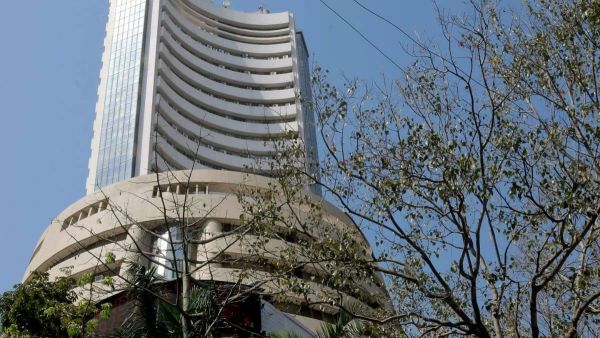
The revision comes as Goldman Sachs cut its 2026 earnings growth forecast for India from 16% to just 8%. While the recent surge in crude oil to over $100 per barrel acted as a catalyst, market analysts suggest the "India story" was already under pressure.
"The earnings story was already wobbling before Hormuz became a headline," said Sachin Jasuja, Head of Equities and Founding Partner at Centricity WealthTech. Jasuja noted that Goldman's original bullish thesis, built on a recovery in profits and foreign investment, was losing ground. “When you are priced for 16% earnings growth, and the number is cut to 8%, that is not a rounding error; it is a repricing. Oil pulled the trigger, but the bullet was already loaded.”
Oil Spiral
India’s heavy reliance on energy imports makes it particularly vulnerable to the current blockade in the Strait of Hormuz. Jasuja warns that the impact of $100+ oil is not limited to fuel stations but is a spiral affecting every balance sheet in the country.
"Every factory, every logistics chain, and every cold storage unit runs on fuel," Jasuja explained. "Elevated energy costs are compressing margins across the entire industrial economy, not just the obvious names."
He further detailed how these costs trickle down to the average consumer: “Fertilizer is petrochemical-derived, so high oil prices squeeze farmer income. This flows into rural consumption, which hits FMCG volumes, two-wheeler sales, and microfinance repayment quality. It stops being a linear shock and becomes a loop.”
Policy Pressures
The macroeconomic outlook is further complicated by rising inflation, which Goldman expects to hit 4.6%. This could force RBI to hike interest rates by 50 basis points in 2026. Higher rates typically hurt sectors like housing, NBFCs, and consumer durables.
Additionally, corporate India is now navigating the Income Tax Act 2025. Jasuja believes this structural change is an invisible headwind that many targets have yet to capture. "The damage is structural and cumulative," Jasuja noted. “It closes litigation escapes, expands the state's reach into corporate digital footprints, and permanently alters the depreciable base of fixed assets.”
Defensive Rotation
With the broader market expected to stay in a range-bound trap, investors are rotating into sectors with domestic pricing power.
- Renewables and Telecom: Jasuja highlights domestic energy and telecom as credible, safe havens. "These companies earn in rupees and sit completely outside the import cost inflation story," he said.
- IT and Pharma Risks: While traditionally seen as "defensive," IT now faces challenges from AI-related headcount shifts, and Pharma remains wary of US tariff threats.
As foreign portfolio investment (FPI) hits a 15-year low, the market's stability now rests almost entirely on domestic retail liquidity.
Contact to : xlf550402@gmail.com
Copyright © boyuanhulian 2020 - 2023. All Right Reserved.