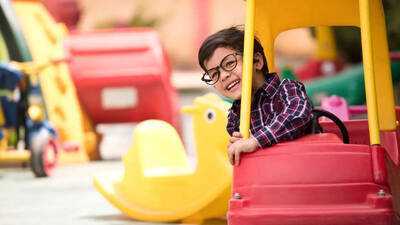
Many of us grew up playing outside until sunset, riding our bicycles around the neighbourhood, inventing our own games or spending afternoons drawing, crafting and letting our imagination run free. We built small forts out of cushions, tried to fix our own toys when they broke and used whatever we had at home to make something new and learnt so much without even realising it.
Those simple moments taught us patience, curiosity and problem-solving long before technology became a constant presence. Today, when screens can so easily take over a child’s attention, it becomes even more important to recreate that sense of real-world discovery.
Developmental benefits of unstructured play in early childhood
In an interview with the Times of India, Niyati Handa, Co-Founder and Director at Eklavya School in Bengaluru, shared, “Activities like taking apart a small toy or appliance and putting it back together, attempting large puzzles as a family or engaging with wooden and tactile games encourage children to think independently. Open-ended materials such as blocks or magnetic tiles help them imagine, build and experiment freely.”
She added, “Even a simple challenge like creating a robot out of delivery boxes or everyday household items inspires creativity, resilience and responsibility. These experiences remind children that learning is not instant. It is a joyful exploration.”
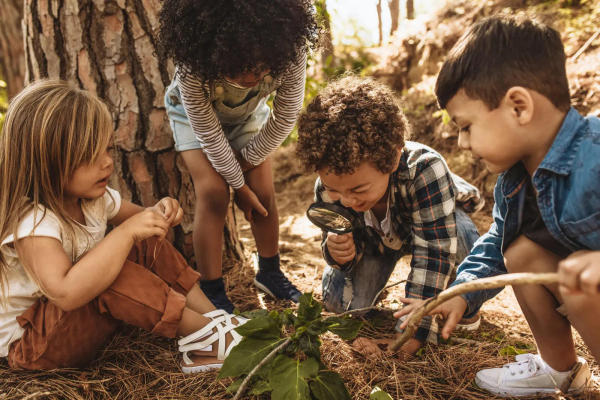
According to a recent , “Unstructured, child-led play was associated with higher levels of creativity, problem-solving ability, and cognitive flexibility compared to structured or screen-based activities.” This directly validates the idea that free play, like building forts, puzzles and imaginative games, builds creativity and independent thinking.
Experiential learning and curiosity development in middle childhood
When children are given these kinds of real experiences, their natural curiosity begins to flourish. Niyati further suggested, “A simple walk outdoors can spark dozens of questions. Growing a plant at home and watching it change each day becomes a gentle lesson in care and science. Taking children to museums, art galleries, post offices or railway stations helps them see how things work beyond books and screens and allows them to connect learning to everyday life.”
A revealed, “Direct engagement with real-world environments significantly enhances curiosity, intrinsic motivation, and long-term learning outcomes in children.” This backs museum visits, nature walks, gardening and everyday exploration, showing that real-life experiences deepen curiosity and meaningful learning far beyond passive consumption.
Screen time, attention and socioemotional development in children
While these experiences build curiosity, their social and emotional development is just as important. Niyati opined, “Talking openly with children about their feelings, reading books on emotions and following comforting bedtime routines all help them feel secure. When a child feels overwhelmed, supporting them rather than dismissing what they feel teaches empathy, confidence and self-awareness. Once children feel secure in themselves, socialisation grows through unstructured play in parks where they slowly learn to share, negotiate and handle small conflicts on their own.”

A found, “Higher levels of screen exposure were linked to reduced attention span and lower socioemotional competence, while real-world interactive activities showed the opposite effect.” This reinforces the contrast between screen-heavy childhoods and real-world exploration, supporting the claim that hands-on, social and outdoor activities are crucial for emotional and cognitive growth.
These real-world experiences shape character and confidence far more deeply than digital learning alone and when children are encouraged to explore, question and connect with the world, they grow into thoughtful and capable individuals.
Contact to : xlf550402@gmail.com
Copyright © boyuanhulian 2020 - 2023. All Right Reserved.