Why Sita's Temple Breaks Siya-Ram Tradition
In the sacred land of Bithoor lies a temple that surprises every visitor. Here, Goddess Sita is worshipped alone, without Lord Ram. This is not a separation of faith but a reflection of a deeply emotional chapter of the Ramayana. The temple holds silence, strength, and a story that challenges the usual image of “Siya-Ram” together.
Sita’s Exile and Silent Strength

In ancient belief, Goddess Sita lived in the ashram of Maharishi Valmiki after being sent into exile. During this period, she did not appear as a queen but as a strong, independent soul. She raised her twins, Luv and Kush, while living a life of simplicity and discipline. This phase represents emotional endurance, where pain turned into dignity. The temple honors this powerful transformation, focusing on her resilience rather than her royal identity.
Birthplace of Luv-Kush Legacy
The ashram is also believed to be the birthplace of Luv and Kush, the twin sons of Sita and Lord Ram. Their upbringing under the guidance of sage Valmiki represents knowledge, discipline, and spiritual strength. This place becomes more than a residence it becomes a foundation of legacy. The story highlights how Sita raised future warriors and scholars in isolation, turning personal struggle into a powerful legacy that shaped dharmic history.
Sita Rasoi The Symbol of Simple Life
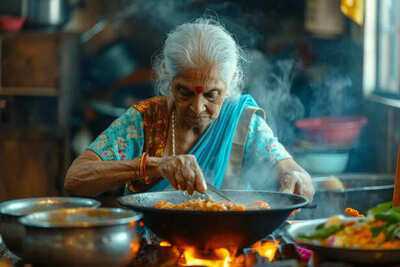
Inside the temple complex lies the famous “Sita Rasoi,” a preserved kitchen believed to be used by Sita herself. It symbolizes humility, simplicity, and service. The presence of ancient vessels represents a life away from luxury and royal comfort. This space reminds visitors that divinity is not only in grandeur but also in simplicity. Here, devotion is expressed through daily life, discipline, and care for others.
Sita Kund The Final Spiritual MysteryWithin the temple complex is Sita Kund, a deeply symbolic site believed to mark her final departure into the earth. This moment is seen not as an end but as spiritual liberation. It reflects acceptance, surrender, and ultimate connection with nature. The story of Sita Kund adds emotional depth to the temple, making it a place of reflection rather than celebration alone. It represents the completion of her earthly journey.
A Temple That Redefines WorshipUnlike most temples where Sita and Lord Ram are worshipped together, this place focuses only on Sita. It represents her identity beyond relationships her strength as a mother, survivor, and spiritual figure. The nearby presence of a Hanuman shrine adds balance, symbolizing protection and respect. This unique tradition challenges conventional worship and invites deeper reflection on independence, dignity, and inner strength within spiritual narratives.
Unlock insightful tips and inspiration on personal growth, productivity, and well-being. Stay motivated and updated with the latest at My Life XP.
Frequently Asked Questions (FAQs)
1. Why is Goddess Sita worshipped alone in Bithoor?
Because the site reflects her life during exile, focusing on her strength, independence, and resilience rather than her role alongside Lord Ram.
2. What is the significance of Valmiki Ashram?
It is believed to be the place where Sita lived during exile and where Maharishi Valmiki composed parts of the Ramayana.
3. What is Sita Rasoi?
It is a preserved kitchen space believed to be used by Sita, symbolizing simplicity and self-reliant living.
4. Why is Sita Kund important?
It is traditionally considered the site where Sita attained Bhu-Samadhi, representing spiritual liberation.
5. What is special about this temple tradition?
It highlights Sita’s independent identity, focusing on her courage and motherhood during exile.
Sita’s Exile and Silent Strength
A symbol of strength during exile
In ancient belief, Goddess Sita lived in the ashram of Maharishi Valmiki after being sent into exile. During this period, she did not appear as a queen but as a strong, independent soul. She raised her twins, Luv and Kush, while living a life of simplicity and discipline. This phase represents emotional endurance, where pain turned into dignity. The temple honors this powerful transformation, focusing on her resilience rather than her royal identity.
Birthplace of Luv-Kush Legacy
Divine childhood in Valmiki’s shelter
The ashram is also believed to be the birthplace of Luv and Kush, the twin sons of Sita and Lord Ram. Their upbringing under the guidance of sage Valmiki represents knowledge, discipline, and spiritual strength. This place becomes more than a residence it becomes a foundation of legacy. The story highlights how Sita raised future warriors and scholars in isolation, turning personal struggle into a powerful legacy that shaped dharmic history.
Sita Rasoi The Symbol of Simple Life
Sacred space of simplicity and devotion
Inside the temple complex lies the famous “Sita Rasoi,” a preserved kitchen believed to be used by Sita herself. It symbolizes humility, simplicity, and service. The presence of ancient vessels represents a life away from luxury and royal comfort. This space reminds visitors that divinity is not only in grandeur but also in simplicity. Here, devotion is expressed through daily life, discipline, and care for others.
Sita Kund The Final Spiritual MysteryWithin the temple complex is Sita Kund, a deeply symbolic site believed to mark her final departure into the earth. This moment is seen not as an end but as spiritual liberation. It reflects acceptance, surrender, and ultimate connection with nature. The story of Sita Kund adds emotional depth to the temple, making it a place of reflection rather than celebration alone. It represents the completion of her earthly journey.
A Temple That Redefines WorshipUnlike most temples where Sita and Lord Ram are worshipped together, this place focuses only on Sita. It represents her identity beyond relationships her strength as a mother, survivor, and spiritual figure. The nearby presence of a Hanuman shrine adds balance, symbolizing protection and respect. This unique tradition challenges conventional worship and invites deeper reflection on independence, dignity, and inner strength within spiritual narratives.
Unlock insightful tips and inspiration on personal growth, productivity, and well-being. Stay motivated and updated with the latest at My Life XP.
Frequently Asked Questions (FAQs)
1. Why is Goddess Sita worshipped alone in Bithoor?
Because the site reflects her life during exile, focusing on her strength, independence, and resilience rather than her role alongside Lord Ram.
2. What is the significance of Valmiki Ashram?
It is believed to be the place where Sita lived during exile and where Maharishi Valmiki composed parts of the Ramayana.
3. What is Sita Rasoi?
It is a preserved kitchen space believed to be used by Sita, symbolizing simplicity and self-reliant living.
4. Why is Sita Kund important?
It is traditionally considered the site where Sita attained Bhu-Samadhi, representing spiritual liberation.
5. What is special about this temple tradition?
It highlights Sita’s independent identity, focusing on her courage and motherhood during exile.
Contact to : xlf550402@gmail.com
Copyright © boyuanhulian 2020 - 2023. All Right Reserved.