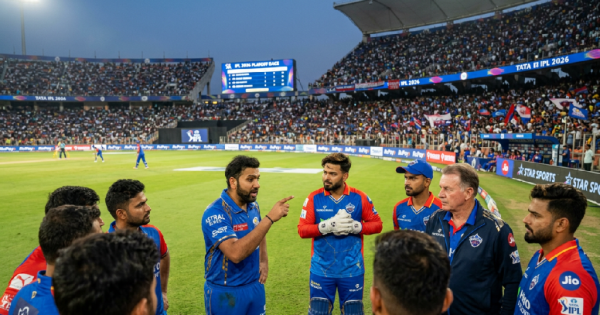
The relentless pace of the Indian Premier League (IPL) has reached a critical juncture where the margin for error appears to have vanished. As the current season develops, the competition has transitioned from a display of individual talent into a grueling test of tactical endurance and squad depth. Recent performances on the field have started to clarify the league hierarchy, yet the volatile nature of T20 cricket ensures that even the most established frontrunners remain susceptible to sudden shifts in momentum.
High Stakes for the League Leaders
The pursuit of consistency has emerged as the defining narrative of the current campaign. While several squads appeared to have settled on their preferred combinations early in the tournament, reported injuries and fluctuations in individual form have forced coaching staffs to reconsider their strategies. This is particularly evident in how veterans are navigating the “Impact Player” rule, which continues to evolve as a tactical tool for captains looking to bridge the gap between their bowling and batting units.
For several teams currently hovering near the top of the standings, the objective is reportedly to secure a playoff berth as early as possible. Historical trends in the tournament suggest that the psychological advantage of finishing in the top two—and thus earning a “double chance” in the knockout stages—is a significant factor in championship success. However, with the middle of the table becoming increasingly crowded, a single poor performance can result in a quick slide down the rankings. The impact of unpredictable weather and abandoned matches has also played a role recently, as split points can disrupt the rhythm of teams that were previously building momentum.
The Evolution of Modern T20 Strategy
Tactically, this season has showcased a clear move toward aggressive intent during the powerplay overs. Rather than settling for a steady start, many opening pairs are reportedly being encouraged to capitalize on fielding restrictions from the very first delivery. This shift has placed immense pressure on opening bowlers, who are increasingly forced to rely on variations like knuckleballs and wide yorkers early in the innings to stem the flow of runs.
Conversely, the role of the middle-order “anchor” is being redefined. Batters in the middle periods are now often expected to begin their acceleration much earlier than in previous years to keep up with the rising scoring rates. This tactical shift has been a major talking point among players, with some, such as Rajat Patidar, reportedly discussing the need for late-inning acceleration to counter disciplined bowling attacks. It is this level of granular planning that is expected to separate the eventual title contenders from the rest of the pack.
Young Talent and Selection Dilemmas
Individual displays of brilliance continue to drive the league’s global profile. The competition for the individual batting and bowling honors is reportedly closer than in recent seasons, with emerging Indian domestic players frequently outperforming seasoned international stars. This influx of young talent has created complex selection dilemmas for many franchises, forcing coaches to decide whether to lean on high-value veterans or trust uncapped players who have shown flashes of match-winning potential.
The pressure is specifically high for heritage franchises that have struggled to find a winning rhythm this year. Observers of the game have noted that some established leaders are facing a difficult path to remain relevant in the postseason conversation. For example, reports have pointed to warnings from former players regarding the current form of certain key captains, suggesting that past reputations may not be enough to secure a spot in the final four given the intensity of the current field.
The Road to the Knockout Stages
As the group stage enters its final phases, external factors such as net run rate are expected to receive significant attention. In a tournament this densely packed, the final standings could be determined by the narrowest of margins, potentially coming down to decimals in the run rate calculation. Consequently, teams are not just aiming for simple victories but are reportedly looking for dominant wins to build a statistical buffer against their rivals.
The remaining schedule is set to feature several high-stakes encounters that could effectively end the campaigns of struggling teams while helping others surge into the top tier. For the spectators, the drama is only increasing. For the organizations involved, it marks the start of a high-pressure sprint where a single tactical error or an expensive over could mean the difference between lifting the trophy and an early exit from the competition.
Contact to : xlf550402@gmail.com
Copyright © boyuanhulian 2020 - 2023. All Right Reserved.