
Little girl cheering for India goes viral, reminds parents why emotional freedom matters
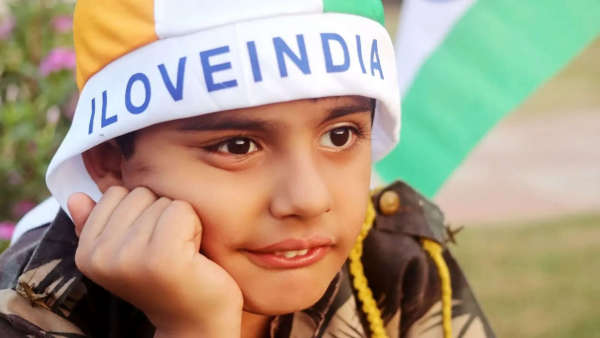
A short video on social media showed a young girl from Northeast India cheering passionately for the country during a football match. Her voice was soft, but her emotion was loud. A small flag painted on her cheek, bright eyes, and pure excitement, that was enough to move thousands of people online.
It was not just a cute moment. It felt real, honest, and deeply human. And for many parents watching, it quietly raised an important question: what shapes a child to feel this kind of belonging so naturally?
When children feel deeply, they show it fearlesslyChildren do not perform emotions. They live them.
The little girl in the video was not trying to impress anyone. It was just raw excitement and pride. This is what makes childhood so powerful. When children feel safe and connected, they express themselves without any fear or hesitation.
For parents, this is a reminder of how much emotional freedom matters. When a child feels heard and secure at home, they carry that confidence into the world. It shows in small moments, like cheering for a team, or standing up for what they love.
The role of environment and upbringing
No child develops a sense of belonging overnight. It grows slowly, shaped by everyday life.
Homes that celebrate diversity, culture, and shared experiences often raise children who feel connected to something bigger than themselves. In this case, the girl’s pride reflects not just a moment, but a background where identity and love for the country are likely spoken about with warmth, not pressure.
Parents do not need big lessons to teach values. Often, it is the small things, watching matches together, celebrating national events, or simply talking about people from different regions, that leave a lasting mark.
This video is not just about patriotism. It is about emotional grounding.
In a time when children are exposed to fast content and constant distraction, moments like these show the importance of raising children who can feel deeply. It reminds parents that values are not taught through lectures, but through lived experiences.
A child who cheers with this kind of heart is likely learning empathy, connection, and pride in identity. These are not academic skills, but they shape how a child grows into an adult.
Breaking stereotypes, building belonging
Many reactions online pointed out the girl being from Northeast India. Some comments praised her as “the future of India,” while others highlighted the deep emotional connection people from the region have with the country.
This reflects a larger reality. Children do not see divisions the way adults do. They do not carry bias unless it is taught. For them, identity is simple and inclusive.
Parents can learn from this. Raising children without stereotypes, and with respect for every region and culture, creates a stronger sense of unity. It also helps children grow with openness rather than judgement.
What other parents can take away from this
This small moment offers a few meaningful lessons:
These are simple shifts, but they shape how a child connects with the world.
A reminder of what truly matters
The video may fade from timelines, but the feeling it created will stay.
It showed what childhood looks like when it is untouched by pressure. It showed how love for something, be it a team, a place, or a country, can be pure and instinctive.
For parents, it is a gentle reminder. Raising a child is not just about preparing them for the future. It is also about protecting their ability to feel, connect, and belong.
Disclaimer: This article is based on a social media video and public reactions available at the time of writing. Interpretations focus on parenting insights and may not reflect the full context of the child’s background or circumstances.
It was not just a cute moment. It felt real, honest, and deeply human. And for many parents watching, it quietly raised an important question: what shapes a child to feel this kind of belonging so naturally?
When children feel deeply, they show it fearlesslyChildren do not perform emotions. They live them.
The little girl in the video was not trying to impress anyone. It was just raw excitement and pride. This is what makes childhood so powerful. When children feel safe and connected, they express themselves without any fear or hesitation.
For parents, this is a reminder of how much emotional freedom matters. When a child feels heard and secure at home, they carry that confidence into the world. It shows in small moments, like cheering for a team, or standing up for what they love.
The role of environment and upbringing
No child develops a sense of belonging overnight. It grows slowly, shaped by everyday life.
Homes that celebrate diversity, culture, and shared experiences often raise children who feel connected to something bigger than themselves. In this case, the girl’s pride reflects not just a moment, but a background where identity and love for the country are likely spoken about with warmth, not pressure.
Parents do not need big lessons to teach values. Often, it is the small things, watching matches together, celebrating national events, or simply talking about people from different regions, that leave a lasting mark.
This video is not just about patriotism. It is about emotional grounding.
In a time when children are exposed to fast content and constant distraction, moments like these show the importance of raising children who can feel deeply. It reminds parents that values are not taught through lectures, but through lived experiences.
A child who cheers with this kind of heart is likely learning empathy, connection, and pride in identity. These are not academic skills, but they shape how a child grows into an adult.
Breaking stereotypes, building belonging
Many reactions online pointed out the girl being from Northeast India. Some comments praised her as “the future of India,” while others highlighted the deep emotional connection people from the region have with the country.
This reflects a larger reality. Children do not see divisions the way adults do. They do not carry bias unless it is taught. For them, identity is simple and inclusive.
Parents can learn from this. Raising children without stereotypes, and with respect for every region and culture, creates a stronger sense of unity. It also helps children grow with openness rather than judgement.
What other parents can take away from this
This small moment offers a few meaningful lessons:
- Encourage children to express emotions freely, without fear of being judged
- Build a home environment where identity and belonging are discussed with pride
- Expose children to diverse cultures within the country
- Focus on emotional growth, not just academic success
These are simple shifts, but they shape how a child connects with the world.
A reminder of what truly matters
The video may fade from timelines, but the feeling it created will stay.
It showed what childhood looks like when it is untouched by pressure. It showed how love for something, be it a team, a place, or a country, can be pure and instinctive.
For parents, it is a gentle reminder. Raising a child is not just about preparing them for the future. It is also about protecting their ability to feel, connect, and belong.
Disclaimer: This article is based on a social media video and public reactions available at the time of writing. Interpretations focus on parenting insights and may not reflect the full context of the child’s background or circumstances.
Contact to : xlf550402@gmail.com
Copyright © boyuanhulian 2020 - 2023. All Right Reserved.