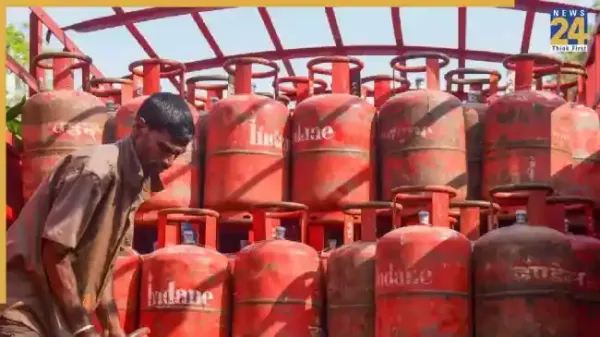
Domestic LPG in hotels and shops? Misuse can land you in legal trouble; here’s what penalty you might face
PG shortage is linked to the ongoing West Asia conflict, which has triggered significant concerns, with the blow now being felt across major Indian cities such as Delhi. Among the hardest hit are several hotels and restaurants, which are now on the brink of closure. According to reports, some shopkeepers have, out of necessity, started using domestic cooking gas. Not only are they cheaper than the commercial LPG cylinders, but they are also more easily available in certain areas. In case you aren’t aware, using a domestic cylinder for commercial purposes constitutes a legal offense in India.
According to Mahmood Alam, an advocate at the Patiala House Court, the government provides a subsidy on domestic LPG cylinders. The primary goal is to make cooking gas available to the general public at cheap rates. These cylinders are intended solely for domestic cooking purposes.
On the other hand, the commercial LPG cylinders are meant for use in hotels, restaurants, dhabas, and other commercial establishments. Consequently, they are more expensive as they do not carry any government subsidy. The usage and distribution of Liquefied Petroleum Gas are governed by the Essential Commodities Act, 1955, and the LPG (Regulation of Supply and Distribution) Order, 2000. Under these acts, the commercial use of domestic cooking gas is treated as “misuse” or “diversion of subsidized LPG.”
If a shopkeeper or any business owner is caught using domestic cooking gas for commercial purposes, they may have to bear legal consequences. Most significant of these is the seizure of the specific cylinder and the associated gas connection. There’s more to it! The gas agency can terminate the individual’s connection, which could later cause major problems for them in obtaining gas supplies in the future.
Additionally, if found guilty, the offender could also face a fine. In serious cases, the police generally register an FIR, following which the matter is presented in the court. In terms of penalties, this offense falls under the purview of the Essential Commodities Act, 1955, under which a conviction can result in imprisonment for up to 7 years. The court may also impose a fine.
If a person consistently commits such an offense, he or she will have to face legal action. This includes issuing orders to shut down the respective shop or hotel. Along with the shopkeeper, individuals involved in the supply chain, like gas agency operators or delivery personnel, could also be penalized upon conviction. Cylinders are designed to handle distinct pressure levels and gas volumes. Any misuse heightens the risk of accidents.
Domestic vs Commercial LPG: What’s the difference in usage?
According to Mahmood Alam, an advocate at the Patiala House Court, the government provides a subsidy on domestic LPG cylinders. The primary goal is to make cooking gas available to the general public at cheap rates. These cylinders are intended solely for domestic cooking purposes.
On the other hand, the commercial LPG cylinders are meant for use in hotels, restaurants, dhabas, and other commercial establishments. Consequently, they are more expensive as they do not carry any government subsidy. The usage and distribution of Liquefied Petroleum Gas are governed by the Essential Commodities Act, 1955, and the LPG (Regulation of Supply and Distribution) Order, 2000. Under these acts, the commercial use of domestic cooking gas is treated as “misuse” or “diversion of subsidized LPG.”
Caught misusing domestic LPG for business? Here’s what penalties you could face
If a shopkeeper or any business owner is caught using domestic cooking gas for commercial purposes, they may have to bear legal consequences. Most significant of these is the seizure of the specific cylinder and the associated gas connection. There’s more to it! The gas agency can terminate the individual’s connection, which could later cause major problems for them in obtaining gas supplies in the future.
Additionally, if found guilty, the offender could also face a fine. In serious cases, the police generally register an FIR, following which the matter is presented in the court. In terms of penalties, this offense falls under the purview of the Essential Commodities Act, 1955, under which a conviction can result in imprisonment for up to 7 years. The court may also impose a fine.
What does the Indian law say?
If a person consistently commits such an offense, he or she will have to face legal action. This includes issuing orders to shut down the respective shop or hotel. Along with the shopkeeper, individuals involved in the supply chain, like gas agency operators or delivery personnel, could also be penalized upon conviction. Cylinders are designed to handle distinct pressure levels and gas volumes. Any misuse heightens the risk of accidents.
Contact to : xlf550402@gmail.com
Copyright © boyuanhulian 2020 - 2023. All Right Reserved.