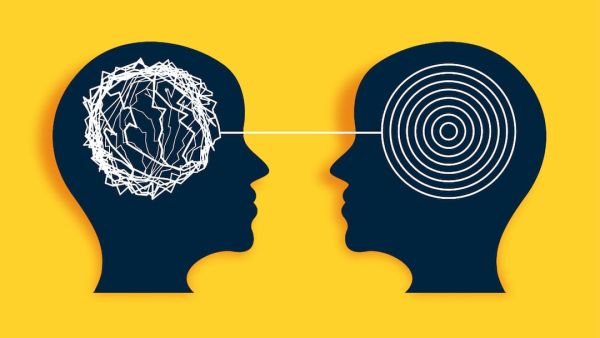
World Bipolar Day, observed annually on March 30, is a significant occasion dedicated to raising awareness about bipolar disorder and promoting mental health understanding. The day encourages open conversations about this complex condition, aiming to reduce stigma, foster empathy, and provide support to individuals and families affected by bipolar disorder. While awareness alone cannot treat the condition, it opens the door to understanding, early intervention, and compassion for those navigating its challenges.
Bipolar Disorder: What Is It?
Bipolar disorder is a mental health condition marked by intense mood fluctuations, swinging from emotional highs, known as mania or hypomania, to debilitating lows of depression. These mood shifts can impact energy levels, judgment, daily activities, and relationships, making it challenging to maintain a consistent routine. The condition is complex, and effective management relies on accurate diagnosis, appropriate treatment, and continuous support.
Types Of Bipolar Disorder
Bipolar disorder manifests in several forms:
- Bipolar I Disorder: Defined by manic episodes lasting at least seven days or severe enough to require hospitalization, often accompanied by depressive episodes.
- Bipolar II Disorder: Characterized by hypomanic episodes and depressive episodes, which are less extreme than full mania but still affect daily life.
- Cyclothymic Disorder: Involves frequent mood swings that don’t meet full criteria for mania or depression but can disrupt quality of life.
- Other specified and unspecified bipolar disorders: Includes symptoms that do not fit traditional categories but still require professional attention.
Causes Of Bipolar Disorder
The exact cause of bipolar disorder remains unclear, but research points to a combination of genetic, biological, and environmental factors:
- Childhood Trauma: Early experiences of neglect, abuse, or significant loss may influence emotional regulation and vulnerability.
- Stressful Life Events: Relationship difficulties, financial challenges, bullying, isolation, and major life changes can trigger mood episodes.
- Brain Chemistry: Dysfunction in neurotransmitters—the brain's chemical messengers—may play a role, though the precise mechanism is not fully understood.
- Family Links: A family history of bipolar disorder increases risk, suggesting a genetic component intertwined with social and environmental influences.
- Medication, Drugs, and Alcohol: Certain medications, recreational drugs, or alcohol can provoke or worsen mood symptoms.
Prevention And Management
While bipolar disorder cannot always be prevented, several strategies can help manage symptoms and reduce episode recurrence:
- Psychoeducation: Teaching patients and families about the disorder improves treatment adherence and prepares them for potential episodes.
- Lifestyle Modifications: Maintaining healthy habits, including balanced nutrition, exercise, and avoiding substances like alcohol and drugs, supports overall well-being.
- Early Intervention: Family-centered therapies for at-risk children can address biological and psychological risk factors, stabilize routines, and manage environmental stressors promptly.
[Disclaimer: The information provided in the article is intended for general informational purposes only. It is not a substitute for professional medical advice, diagnosis, or treatment. Always seek the advice of your physician or other qualified healthcare provider with any questions you may have regarding a medical condition.]
Contact to : xlf550402@gmail.com
Copyright © boyuanhulian 2020 - 2023. All Right Reserved.