
Ayurveda Meets Evidence-Based Science: The Transformation Led by Patanjali Research Foundation
For centuries, Ayurveda has existed as a living tradition passed down through texts, practice, and cultural memory. Rooted in over 5,000 years of Indian knowledge systems, it has long been associated with holistic healing , natural remedies, and preventive care. But in today’s evidence-driven healthcare ecosystem, tradition alone is no longer enough. The modern wellness consumer demands proof, standardization, and scientific validation.
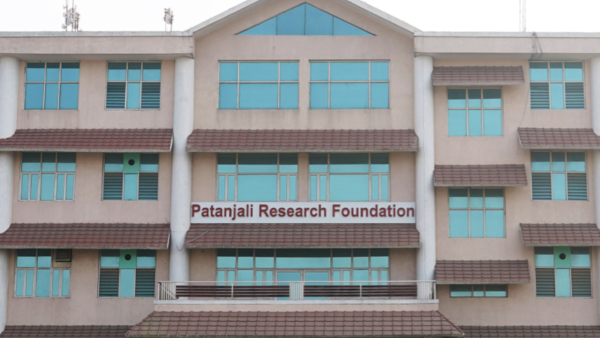
This is where institutions like the Patanjali Research Foundation (PRF) have begun to redefine the narrative positioning Ayurveda not just as heritage, but as a system capable of standing alongside modern science.
From Ancient Wisdom to Evidence-Based Practice At its core, PRF was established to bridge a long-standing gap: the divide between traditional Ayurvedic knowledge and contemporary scientific methodology. According to its official platform, the foundation aims to
“leverage our ancient knowledge, coupled with modern technologies, and deliver Ayurveda to the world in a language and format that they understand, follow, and accept.”
This philosophy reflects a broader shift in the wellness industry. Ayurveda is no longer being presented solely as a philosophical system—it is being reframed as an evidence-based medical approach, backed by structured research, laboratory testing, and clinical validation.
PRF’s work is built on a multidisciplinary framework involving hundreds of scientists, clinicians, and researchers working across herbal science, pharmacology, and clinical medicine.
The Scientific Turn: How Ayurveda Is Being Tested
One of the most significant transformations in modern Ayurveda lies in its adoption of the drug development pipeline, a hallmark of contemporary medicine.
Institutions like PRF now follow a rigorous multi-step process:
At PRF, clinical research divisions actively work to translate laboratory findings into real-world treatments—what scientists call the “bench-to-bedside” model.
Building a Global Knowledge System Beyond laboratory work, PRF is also engaged in large-scale documentation and knowledge preservation. Its Herbal Research Division has catalogued tens of thousands of medicinal plants through initiatives like the World Herbal Encyclopedia, creating a structured database of traditional knowledge.
This effort is crucial for two reasons:
Standardization – Turning scattered traditional knowledge into organized, usable data
Global acceptance – Making Ayurveda accessible to international researchers and healthcare systems The foundation’s broader mission is explicit: to establish Ayurveda as a globally recognized scientific system of medicine, not just an alternative therapy.
Modernization Without Dilution A key tension in the evolution of Ayurveda is maintaining authenticity while embracing modernization. Patanjali’s approach has been to integrate modern tools—advanced laboratories, clinical trials, and global publishing—without abandoning the philosophical core of Ayurvedic practice.
This balance ensures that Ayurveda evolves within modern scientific and industrial frameworks without compromising its core essence.
This dual strategy, preservation plus innovation has allowed Ayurveda to expand into new domains, including preventive healthcare, lifestyle medicine, and integrative hospital systems combining allopathy and traditional therapies.
From Tradition to Global Legitimacy Perhaps the most significant outcome of this transformation is Ayurveda’s growing global credibility. Scientific publications, international collaborations, and standardized research protocols are helping reposition it from a traditional practice to a validated healthcare system.
This shift is not just academic it has commercial and cultural implications. As wellness markets expand worldwide, Ayurveda is emerging as a scalable, exportable knowledge system, backed by both heritage and science.
The Bigger Picture: A New Model for Traditional Medicine The Patanjali case study illustrates a broader trend: the transformation of traditional knowledge systems into science-backed, globally competitive industries.
What makes this evolution noteworthy is not just the modernization of Ayurveda, but the creation of a replicable model:
The evolution of modern Ayurveda is not about replacing tradition with science, but about aligning the two. Through institutions like the Patanjali Research Foundation, Ayurveda is being translated into a language that modern medicine understands—data, trials, and evidence while retaining its foundational philosophy of balance and holistic well-being.
This is where institutions like the Patanjali Research Foundation (PRF) have begun to redefine the narrative positioning Ayurveda not just as heritage, but as a system capable of standing alongside modern science.
From Ancient Wisdom to Evidence-Based Practice At its core, PRF was established to bridge a long-standing gap: the divide between traditional Ayurvedic knowledge and contemporary scientific methodology. According to its official platform, the foundation aims to
“leverage our ancient knowledge, coupled with modern technologies, and deliver Ayurveda to the world in a language and format that they understand, follow, and accept.”
This philosophy reflects a broader shift in the wellness industry. Ayurveda is no longer being presented solely as a philosophical system—it is being reframed as an evidence-based medical approach, backed by structured research, laboratory testing, and clinical validation.
PRF’s work is built on a multidisciplinary framework involving hundreds of scientists, clinicians, and researchers working across herbal science, pharmacology, and clinical medicine.
The Scientific Turn: How Ayurveda Is Being Tested
One of the most significant transformations in modern Ayurveda lies in its adoption of the drug development pipeline, a hallmark of contemporary medicine.
Institutions like PRF now follow a rigorous multi-step process:
- Drug discovery and formulation
- Pre-clinical testing (including toxicity and safety studies)
- Clinical trials on human subjects
- Standardization and quality assurance protocols
At PRF, clinical research divisions actively work to translate laboratory findings into real-world treatments—what scientists call the “bench-to-bedside” model.
Building a Global Knowledge System Beyond laboratory work, PRF is also engaged in large-scale documentation and knowledge preservation. Its Herbal Research Division has catalogued tens of thousands of medicinal plants through initiatives like the World Herbal Encyclopedia, creating a structured database of traditional knowledge.
This effort is crucial for two reasons:
Modernization Without Dilution A key tension in the evolution of Ayurveda is maintaining authenticity while embracing modernization. Patanjali’s approach has been to integrate modern tools—advanced laboratories, clinical trials, and global publishing—without abandoning the philosophical core of Ayurvedic practice.
This balance ensures that Ayurveda evolves within modern scientific and industrial frameworks without compromising its core essence.
This dual strategy, preservation plus innovation has allowed Ayurveda to expand into new domains, including preventive healthcare, lifestyle medicine, and integrative hospital systems combining allopathy and traditional therapies.
From Tradition to Global Legitimacy Perhaps the most significant outcome of this transformation is Ayurveda’s growing global credibility. Scientific publications, international collaborations, and standardized research protocols are helping reposition it from a traditional practice to a validated healthcare system.
This shift is not just academic it has commercial and cultural implications. As wellness markets expand worldwide, Ayurveda is emerging as a scalable, exportable knowledge system, backed by both heritage and science.
The Bigger Picture: A New Model for Traditional Medicine The Patanjali case study illustrates a broader trend: the transformation of traditional knowledge systems into science-backed, globally competitive industries.
What makes this evolution noteworthy is not just the modernization of Ayurveda, but the creation of a replicable model:
- Start with traditional knowledge
- Document and standardize it
- Validate it through scientific research
- Scale it for global consumption
The evolution of modern Ayurveda is not about replacing tradition with science, but about aligning the two. Through institutions like the Patanjali Research Foundation, Ayurveda is being translated into a language that modern medicine understands—data, trials, and evidence while retaining its foundational philosophy of balance and holistic well-being.
Contact to : xlf550402@gmail.com
Copyright © boyuanhulian 2020 - 2023. All Right Reserved.