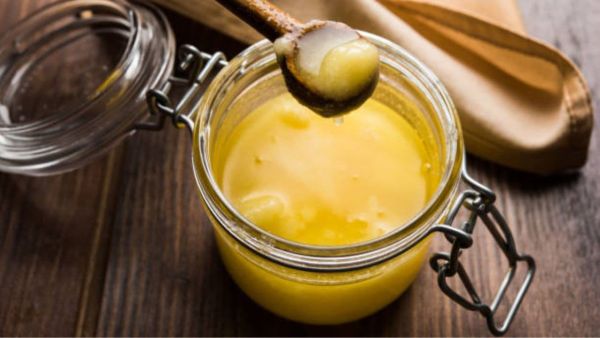
Ghee Purity Test at Home: Adulteration of vegetable in ghee is harmful for health. FSSAI has told how to check purity at home. Mix 1ml ghee, 1ml HCl and sugar and stir. The lower layer being red or pink is a sign of adulteration, the color does not change in pure ghee.
Nowadays the market of adulteration is so hot that nothing is left out of it. Only a big gang is working to sell expensive items by copying them. Recently, a case of fake ghee also came to light in Tirupati Tirumala temple, which made a lot of headlines. The amount of adulteration that is found in ghee and oil is hardly found in any other thing. This adulteration can also cause fatal diseases like cancer. Most Indian homes rely on ghee for cooking, taste and health, but not every ghee sold in the market is pure. Vegetable or hydrogenated fat is added to some products, which has a negative impact on both the quality of the ghee and your health.
Indian Food Safety Authority gave information
To make people aware, Food Safety and Standards Authority of India (FSSAI) has suggested an easy way to check the purity of ghee at home. With this you can find out whether your ghee is genuine or adulterated.
Why is it important to check the purity of ghee?
Real Ghee is known for its nutritional value, excellent taste and traditional importance in Indian cuisine. However, adulterated ghee may contain vegetable or other unhealthy fats, which reduce the nutrients. Have a bad effect on digestion. Can pose a serious threat to health in the long run. You can do this easy test at home.
You need to test
1 ml melted ghee 1 ml Concentrated Hydrochloric Acid (HCl) Half teaspoon sugar A test tube or small glass vial
Step-by-step method to check the purity of ghee
Take 1 ml of melted ghee in a test tube. Add 1 ml concentrated hydrochloric acid in it. Now add half spoon sugar in it. Stir this mixture vigorously for about 2 minutes. After this, leave the mixture for some time so that the layers separate.
Result: How to identify genuine and adulterated ghee?
Real Ghee: There will be no change in color. Adulterated ghee (containing vegetable or hydrogenated fat): The color of the bottom layer of acid will turn bright red or pink. This change in color is a clear sign of adulteration.
Science behind the test
The reaction behind this test is quite interesting and is based on basic chemistry…
Hydrochloric acid breaks down sugar into glucose and fructose. When these sugars dehydrate, they form a compound called 'furfural'. Furfural reacts with certain substances present in vegetable or sesame oil. This reaction produces red or pink color, which indicates adulteration. These compounds are not present in real ghee, hence the color does not change.
Some tips for buying real ghee
Apart from testing at home, there are some other precautions you can take while buying ghee: Buy only from trusted and certified brands. Make sure to check the quality mark and correct labeling on the packet. Avoid very cheap products. Real ghee has a distinctive aroma and grainy texture, identify it.
Watch the video to know how to identify fake and real ghee.
Scroll to load tweet…
Contact to : xlf550402@gmail.com
Copyright © boyuanhulian 2020 - 2023. All Right Reserved.