Fuel prices continue to climb as the crisis in the Middle East deepens, heaping further financial strain on motorists across the UK.
With this in mind, many drivers may be weighing up a switch to an electric vehicle, particularly given the possibility that the conflict could drag on not just for weeks, but potentially months.
That said, electric cars, much like their petrol and diesel counterparts, require insurance. The cost of car insurance can be a decisive factor for many people when choosing their next vehicle.
- Cars hit by April 2026 £790 ‘tax trap’ 'scrapped' including Saab, Ford, Golf, Vauxhall - list
- Drivers warned about change coming in from Sunday
To assist drivers in making an informed choice, experts at Go Compare have revealed the cheapest electric cars to insure in the UK, the Express.
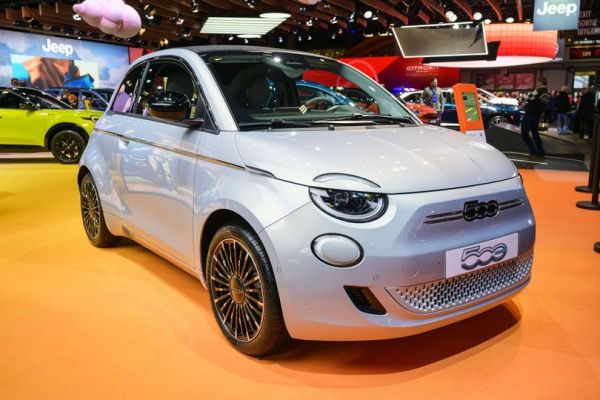
Sharing the top spot are the Fiat 500E and Smart EQ. Both compact city cars — one Italian, one German — Go Compare confirmed they can be insured for as little as £302.
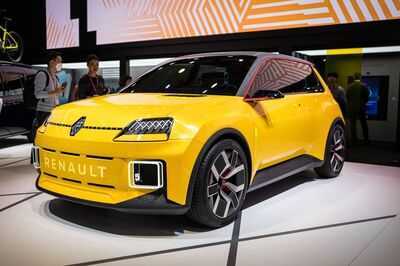
Hot on their heels is the ever-popular Renault 5 E-Tech at £351 in third place, followed by the Kia Soul EV in fourth at £357. Just £2 behind in fifth is the most affordable electric car to purchase outright, the Dacia Spring, at £359.
Go Compare also examined the priciest electric cars to insure, with the organisation's Steve Ramsey offering tips on keeping premiums down.
He said: "There's nearly a £600 difference between the cheapest and most expensive EVs to insure, according to our data. That's a significant annual cost that a lot of buyers don't factor in when they're buying an EV. My advice is always to check the insurance group before you fall in love with a model."
It's crucial to remember that car insurance premiums depend on numerous factors beyond the vehicle model itself, including elements such as where it's kept overnight and the motorist's driving record.
While insuring an electric vehicle can, depending on the model, be relatively affordable, other industry experts are cautioning about an escalating issue in the UK — consumer demand for these vehicles.
Despite the number of electric vehicles on British roads increasing dramatically in recent years, motoring industry figures are warning that motorists shouldn't be forced towards them.
Writing in Auto Express, Paul Barker observed that a shift in approach is needed ahead of the Labour government's Zero Emissions Vehicle (ZEV) Mandate scheduled to take effect in 2030.
Mr Barker said: "The mandate targets are a real stretch going forward, because too few drivers see the plus side of EVs and no one likes having to do something because the Government tells them to."
He added: "We need to work out how to get people to move to the tech when they feel confident that it's the best solution and are excited to make the transition, while still offering something to those who can't or won't buy an EV."
Contact to : xlf550402@gmail.com
Copyright © boyuanhulian 2020 - 2023. All Right Reserved.