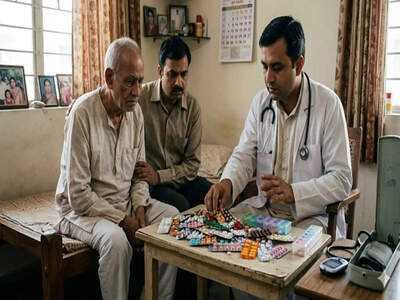
Concern for the health of our elderly family members is universal. We often go to great lengths to ensure they receive the best medical care available. This concern frequently leads to mornings filled with a multitude of pills aimed at managing blood pressure, diabetes, and heart issues. Many believe that a higher number of medications equates to better safety.
However, have we ever paused to question if such a heavy reliance on medications is truly necessary during this vulnerable stage of life? A recent global study featured in *BMC Geriatrics* challenges this traditional viewpoint. Let's delve deeper into this topic with insights from Dr. Bhanu Mishra, a Consultant Nephrologist at Fortis Hospital, Shalimar Bagh.
Preventive Care vs. Current Health Risks
Doctors often prescribe medications intended to guard against diseases that may not appear for years. Yet, studies show that for elderly patients who are frail or have cognitive issues, these "preventive" drugs can often be ineffective.
The rationale is straightforward: while the advantages of these medications may take time to manifest, the elderly must cope with their immediate physiological effects. Taking multiple medications at once can place additional stress on their bodies.
Consequences of Excessive Medication
This combination of numerous medications can lead to serious complications in older adults, including:
- Chronic dizziness or a persistent feeling of weakness.
- Cognitive confusion or mental fog.
- Unexpected loss of balance, leading to falls that often result in hospitalization.
The Growing Issue in India
In India, it is common for seniors to visit various specialists for different health issues—one for heart problems, another for diabetes, etc. This often results in an accumulation of prescriptions, with no single physician reviewing them collectively to prevent harmful interactions.
Medications That Need Reevaluation
Research suggests that for frail patients, especially when the risks of medications outweigh their benefits, it is crucial to consider reducing them with a doctor's guidance. Key medications to review include:
- Blood Pressure and Diabetes Medications: Overly lowering blood pressure can increase fall risks, while insulin can lead to dangerous drops in blood sugar.
- Preventive Medications: Drugs aimed at prevention, like cholesterol-lowering medications or aspirin, may no longer be necessary.
- Daily Medications: Long-term prescriptions for gastric issues, sleep aids, or diuretics can disrupt electrolyte balance.
Benefits of Reducing Medications
When unnecessary medications are stopped under medical supervision, the results can be transformative. Elderly patients often report increased energy levels, improved cognitive function, and a significantly reduced risk of falls. Current medical understanding emphasizes that care for seniors should prioritize comfort and well-being over aggressive treatment.
A Crucial Warning
It is vital never to stop any prescribed medication for elderly individuals without professional guidance. Abruptly discontinuing medication can be dangerous, especially for those with a history of heart attacks or strokes. Any reduction in medication should be a gradual process, closely monitored by a healthcare provider.
Connect with Us
PC Social Media
Contact to : xlf550402@gmail.com
Copyright © boyuanhulian 2020 - 2023. All Right Reserved.