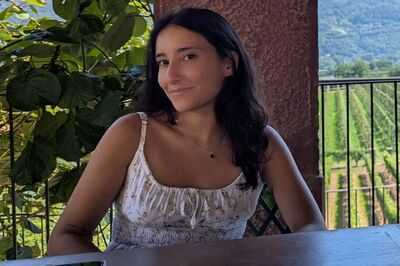
Letizia Mollinedo was 17 when she collapsed in the streeton the way to her doctor’s office with what she thought was heat stroke. A month later she was diagnosed with a chronic neurological condition affecting around one in every 100 people.
Letizia has now told the Mirror about her experience with epilepsyfor Epilepsy Awareness Day, saying that many people have reacted in “fear” when she tells them about her diagnosis. The condition occurs when sudden electrical surges in the brain trigger seizures, causing a range of symptoms that differ from person to person.
The 26 year old was living in Tunisia when she had her first seizure just a week before she left for university. She said: “It’s quite common for people to faint from the heat. My mum told me that people tried to pour water down my back, thinking I had had heat stroke. What I remember is waking up, my neck soaked, in the back of an ambulance.”
- Woman, 25, took own life hours after hospital said she didn't need admitting
- Cardiologists say one 250ml glass lowers high blood pressure back to 'normal'
Instead of spending her last week saying goodbye to friends and family, Letizia underwent a barrage of tests but left before getting a diagnosis. About a month later she had a second seizure, this time at her university dorm’s lunch table, and was diagnosed with epilepsy.
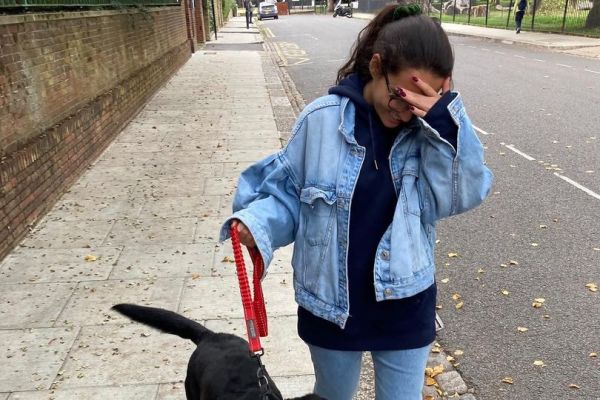
She added: “I spent the next decade finding the perfect cocktail of medications and self-care that would ensure I would be safe. It's not a straight upwards trajectory. I've reduced my number of seizures, but now I have terrible side effects. It's not as easy as it seems.”
Letizia has tonic clonic seizures, which causes the body to stiffen, convulse and lose consciousness. Because of this, she technically doesn’t know much about having epilepsy: “You don't see the seizure or experience it in any way.
“You also lose a big chunk of time following the seizure. So for about 30 to 40 minutes after, you're doing things and saying things that you have no control over and you won't remember. All you have to piece together the incident is stories from other people. You have this weird disconnect where you know you have this thing, but you've never really experienced it like other people have.”
Alongside the medical issues, Letizia was also suddenly confronted with a range of new taboos. She said: “I knew absolutely nothing about epilepsy and that was the scariest part. I relied heavily on violent depictions of seizures as shown on medical dramas, movies and shows.
“I had never thought twice about it before, but I looked at these videos and images and saw myself and it was horrible. Seizures are very scary, so if you mention you've had them, the reaction is usually one of fear.
“It would be great if people could stop associating epilepsy with such strong reactions, and we could fight the misconception of how rare it is. It’s quite a common condition.”
For Letizia, seizures can be triggered by a range of things that she now constantly has to monitor like her sleep, stress levels and being constantly aware of her body like “not standing too close to the train tracks in the mornings”.
Travelling with epilepsy has also taken an emotional and financial toll at times. She said: “Last summer, I had a seizure while I was travelling (in Switzerland). I’d had a very long day of travel the day before and I collapsed. It was a nasty seizure, and I was vomiting severely for several days.
“I ended up in urgent care. It was an extremely upsetting situation. I was there for my wedding planning and instead I spent the better part of a week in bed, puking, with a horrendous headache. I was very lucky to be able to get medical help, though I did have to pay out of pocket as I did not have international health insurance.”
Letizia has since opted in for some travel insurance but found her options “limited” and “expensive” because of her condition. However, she stays optimistic: “You have to find the good.
“Accept your limitations and know that the danger is real, but as long as you take precautions, there's nothing that can stop you from travelling as much as you can and want to. It's all about preparation. I've learned that making sure you've prepped enough medication, gotten the number of your neurologist, and checked to see where the hospitals are.”

Hannah Mayfield, a money expert working with PayingTooMuch, noted: “Travellers with pre-existing medical conditions often face a delicate balancing act when arranging travel insurance. Conditions like epilepsy must be declared during the medical screening process so insurers can assess the risk and provide a quote that reflects the traveller’s specific needs.
“It is not just about finding the cheapest policy. It is about making sure you are properly protected.” Dr Asimah Hanif explained what to do if someone around you has a seizure.
She said: “Stay calm and stay with them; timing the seizure helps medical responders. Protect them from injury – cushion their head, loosen tight clothing around the neck, and gently move hazards away.
“After the seizure, place them in the recovery position (on their side) and check for medical ID. Call 999 if the seizure lasts more than five minutes, if another follows without full recovery, it’s their first known seizure, or they are injured.”
The StaysureGP also warned people not to restrain or move someone having a seizure unless they are in immediate danger and try not to panic or draw unnecessary attention.
Contact to : xlf550402@gmail.com
Copyright © boyuanhulian 2020 - 2023. All Right Reserved.