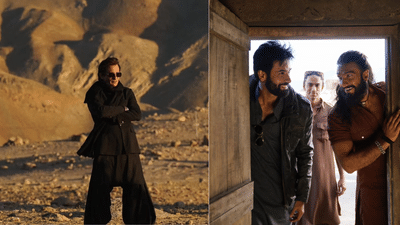
Did 'Dhurandhar 2's release trigger a Rs 100 acrore Eid fashion wave? Here's what we know
Eid shopping usually means grabbing a classic, crisp white kurta or maybe hunting for something with subtle embroidery. But this year? Things took a wild turn. If you walked through any local market recently, you probably noticed a very specific, rugged vibe taking over the streets.
Enter Dhurandhar. The latest Bollywood blockbuster starring Ranveer Singh, Sanjay Dutt, and Akshaye Khanna hasn't just dominated cinema screens. It has quietly triggered a massive Rs 100 crore micro-economy right in our local neighborhoods. And it's all thanks to some serious style inspiration.
The Rs 3,000 Pathani Suit Craze
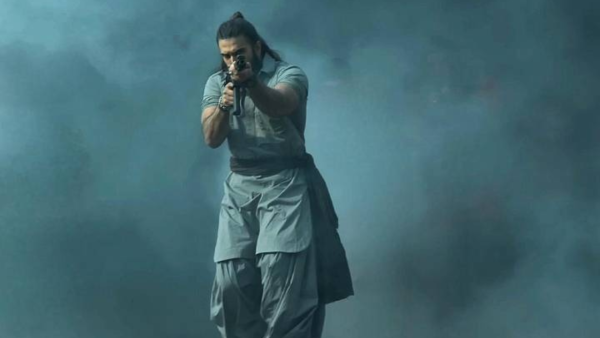
Let's talk clothes first. The hyper-stylized, commanding Pathani suits worn by the stars in the film became the absolute must-have this festive season. Forget the standard online buys. Men have been swarming local tailors, smartphones in hand, demanding exact replicas. And by exact, we mean down to the fabric fall, the collar stiffness, and the precise way the sleeves sit.
This craze completely flipped local pricing. Normally, getting a decent Pathani stitched would set you back somewhere between Rs 700 and Rs 900. This Eid? Tailors were confidently quoting anywhere from Rs 2,500 to Rs 3,000. The craziest part is that people paid it without blinking.
Demand got so intense that many neighborhood tailors actually had to put up the "no new orders" sign days before the festival. In the local tailoring business, turning away customers right before a major holiday is practically unheard of. But they simply couldn't keep up.
Everyone Wants the "Hamza" Haircut
But the Dhurandhar fever definitely didn't stop at the tailor's shop. Salons felt the heat, too. If you tried booking a haircut right before Eid, you already know what a nightmare it was. Across cities, salons reported a massive surge in guys asking for the "Hamza Ali Mazari" look.
That's Ranveer Singh's character, known for his sharp yet deliberately unkempt, textured hair. This isn't just a simple trim that takes ten minutes. It requires proper detailing and styling sessions. Because of the extra time and skill involved, salons ended up hiking their prices by 20% to 30% for these specific cuts. And the cash registers just kept ringing.

Why Did This Go So Viral?
So, why did a movie spark such an insane real-world spending spree? Industry insiders point to one simple reason: accessibility. Usually, Bollywood fashion is dripping in high-end designer labels that most of us can only dream of wearing.
But Dhurandhar did something different. A rugged Pathani suit is attainable. A textured haircut is doable. The audience didn't just want to admire their heroes from the theater seats this time around. They wanted to literally step into their shoes—or suits, rather—and participate in the cinematic vibe themselves.
The Real Winners
When we talk about movie success, we usually focus on box office collections. But the real story here is the incredible ripple effect on small businesses. Because of this trend, fabric shops cleared out their inventories faster than ever. Local tailoring units saw their weekly earnings double, and in some cases, triple. Salons had footfall that looked like a bustling carnival.
So, while the producers are definitely smiling all the way to the bank, the unsung heroes of this Rs 100 crore boom are the local tailors and barbers who worked overtime to make everyone look like a superstar this Eid.
Enter Dhurandhar. The latest Bollywood blockbuster starring Ranveer Singh, Sanjay Dutt, and Akshaye Khanna hasn't just dominated cinema screens. It has quietly triggered a massive Rs 100 crore micro-economy right in our local neighborhoods. And it's all thanks to some serious style inspiration.
The Rs 3,000 Pathani Suit Craze
Let's talk clothes first. The hyper-stylized, commanding Pathani suits worn by the stars in the film became the absolute must-have this festive season. Forget the standard online buys. Men have been swarming local tailors, smartphones in hand, demanding exact replicas. And by exact, we mean down to the fabric fall, the collar stiffness, and the precise way the sleeves sit.
This craze completely flipped local pricing. Normally, getting a decent Pathani stitched would set you back somewhere between Rs 700 and Rs 900. This Eid? Tailors were confidently quoting anywhere from Rs 2,500 to Rs 3,000. The craziest part is that people paid it without blinking.
Demand got so intense that many neighborhood tailors actually had to put up the "no new orders" sign days before the festival. In the local tailoring business, turning away customers right before a major holiday is practically unheard of. But they simply couldn't keep up.
Everyone Wants the "Hamza" Haircut
But the Dhurandhar fever definitely didn't stop at the tailor's shop. Salons felt the heat, too. If you tried booking a haircut right before Eid, you already know what a nightmare it was. Across cities, salons reported a massive surge in guys asking for the "Hamza Ali Mazari" look.
That's Ranveer Singh's character, known for his sharp yet deliberately unkempt, textured hair. This isn't just a simple trim that takes ten minutes. It requires proper detailing and styling sessions. Because of the extra time and skill involved, salons ended up hiking their prices by 20% to 30% for these specific cuts. And the cash registers just kept ringing.
Why Did This Go So Viral?
So, why did a movie spark such an insane real-world spending spree? Industry insiders point to one simple reason: accessibility. Usually, Bollywood fashion is dripping in high-end designer labels that most of us can only dream of wearing.
But Dhurandhar did something different. A rugged Pathani suit is attainable. A textured haircut is doable. The audience didn't just want to admire their heroes from the theater seats this time around. They wanted to literally step into their shoes—or suits, rather—and participate in the cinematic vibe themselves.
The Real Winners
When we talk about movie success, we usually focus on box office collections. But the real story here is the incredible ripple effect on small businesses. Because of this trend, fabric shops cleared out their inventories faster than ever. Local tailoring units saw their weekly earnings double, and in some cases, triple. Salons had footfall that looked like a bustling carnival.
So, while the producers are definitely smiling all the way to the bank, the unsung heroes of this Rs 100 crore boom are the local tailors and barbers who worked overtime to make everyone look like a superstar this Eid.
Contact to : xlf550402@gmail.com
Copyright © boyuanhulian 2020 - 2023. All Right Reserved.