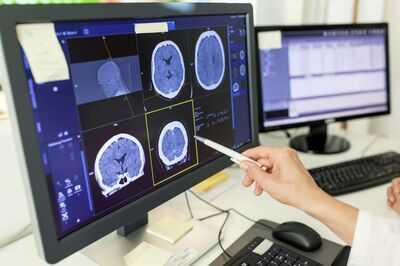
Headaches are a common problem people face in everyday life with a range of causes from dehydration to stress. However, some particular headaches are often caused by pressure in the skull due to abrain tumour.
The earlier abrain tumour is diagnosed, the more treatment options are available but the vague symptoms can easily be mistaken for other more common conditions. Experts at the Brain Tumour Charity explained the difference between everyday issuesand early signs of a brain tumour including some that seemingly have nothing to do with your brain.
HeadachesMost brain tumour symptoms may develop gradually and get worse over time. The charity experts note: “These may feel different from usual headaches.” Headaches caused by brain tumours usually do not get better with painkillers and may be worse in the morning or whenever you strain, cough or bend over.
 Nausea or vomiting
 If you are feeling sick, particularly in the morning, and there is no other reason you would be feeling this way it could be due to increased pressure in the brain. This may be accompanied with dizziness as well.
Physical issuesTumours in the brain can start to affect your movement. This may include weakness, numbness or tingling on one side of your body or difficulty with balance and coordination. This may cause children or toddlers to gradually stop walking and start to crawl again instead.
• 'Meningitis nearly killed me - students need to know more about it'
• I thought headaches were work stress - the reality still haunts me now'
Speech and vision issuesStruggling to find the right words, slurring your speech or having difficulty understanding language can be linked to a brain tumour, according to the charity.
Signs of a brain tumour can also appear in your vision with issues like blurred vision, double vision, a greying out when you stand up, or even loss of sight in one part of your field of view.
Other common signs of a brain tumour include tiredness and cognitive or personality changes such as memory problems. Seizures can also be a sign of a neurological issue.
The charity urges: “If you’re experiencing symptoms that concern you, it’s important not to panic. Many of these symptoms can be caused by less serious conditions.
“But, if they carry on, change, or get worse, make an appointment with your doctor. Diagnosing a brain tumour early might make a difference in treatment options and outcomes.”
If you’re specifically concerned about a brain tumour it may be worth bringing this up directly with your doctor. Research from the Improving Brain Tumour Care survey showed 41% of respondents had to visit their GP three or more times before getting a diagnosis due ot the non-specific symptoms brain tumours cause.
Additionally, if you’re waiting to see a GP you could also book an eye test as opticians can also sometimes spot signs of brain tumours by seeing pressure on the optic nerve or swelling of the optic disc. This isn’t a typical diagnostic route though.
Contact to : xlf550402@gmail.com
Copyright © boyuanhulian 2020 - 2023. All Right Reserved.