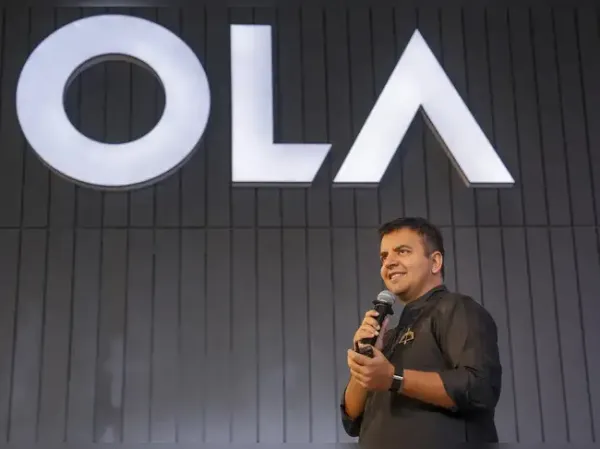
Ola Electric Mobility, which has lost nearly three-fourths of its stock value since its initial share sale in 2024, plans to raise around Rs 2,000 crore by offering investors a stake in its subsidiary Ola Cell Technologies (OCT), people familiar with the matter told ET.
The company is in discussions with sovereign wealth funds and global infrastructure investors, sources said, adding that investment banks Avendus Capital and Motilal Oswal have been mandated to run the fundraising process.
This comes on the back of the Bengaluru-based company seeing a significant reduction in sales volumes and decline in market share amid rising consumer complaints around vehicle quality and after-sales service.
Queries sent to Ola Electric did not elicit a response until the publication of this report.
OCT focusses on indigenous cell R&D and large-scale manufacturing, supporting the company’s vertical integration strategy and reducing dependence on imported cells. This is also expected to help shield the company from geopolitical risks linked to battery supply chains.
In the past, Ola Electric has raised capital from OCT for its vehicle manufacturing and technology business.
Last October, Ola Electric Technologies (OET), a wholly owned subsidiary of Ola Electric, secured approval from its board and shareholders to raise up to Rs 877.6 crore by issuing 877.6 million preference shares to OCT.
Short-lived IPO gains
In August 2024, Ola Electric Mobility raised Rs 5,500 crore through its initial public offering (IPO). Of this, Rs 1,228 crore was earmarked for OCT to expand its cell manufacturing capacity from 5 to 6.4 GWh, according to the IPO prospectus. The stock has lost more than 70% in market capitalisation since its Mumbai listing.
Later, following shareholder approval at the company’s first annual general meeting after listing, the IPO proceeds were reallocated and the outlay for cell manufacturing reduced to Rs 1,049 crore.
The company has developed the 4680-format Bharat Cell, which is being commercially manufactured at its gigafactory and deployed in Ola Electric vehicles. Earlier this year, the company also entered the battery energy storage space with its first non-vehicle offering, Shakti.
ET reported in February that Ola Electric planned to reduce its physical store count to around 550 by the end of March, marking a pullback just a year after announcing plans to expand its retail network to 4,000 stores nationwide.
Following this, the company slipped out of the top five in monthly sales volumes in February, falling behind TVS Motor Company, Bajaj Auto, Ather Energy, Hero MotoCorp, and Greaves Electric Mobility. Ola Electric sold around 3,968 vehicles in February, translating into a market share of 3.7%, according to data from the Vahan website.
Shares of Ola Electric climbed around 1% to Rs 24.30 on the BSE on Monday.
The company is in discussions with sovereign wealth funds and global infrastructure investors, sources said, adding that investment banks Avendus Capital and Motilal Oswal have been mandated to run the fundraising process.
This comes on the back of the Bengaluru-based company seeing a significant reduction in sales volumes and decline in market share amid rising consumer complaints around vehicle quality and after-sales service.
Queries sent to Ola Electric did not elicit a response until the publication of this report.
OCT focusses on indigenous cell R&D and large-scale manufacturing, supporting the company’s vertical integration strategy and reducing dependence on imported cells. This is also expected to help shield the company from geopolitical risks linked to battery supply chains.
In the past, Ola Electric has raised capital from OCT for its vehicle manufacturing and technology business.
Last October, Ola Electric Technologies (OET), a wholly owned subsidiary of Ola Electric, secured approval from its board and shareholders to raise up to Rs 877.6 crore by issuing 877.6 million preference shares to OCT.
Short-lived IPO gains
In August 2024, Ola Electric Mobility raised Rs 5,500 crore through its initial public offering (IPO). Of this, Rs 1,228 crore was earmarked for OCT to expand its cell manufacturing capacity from 5 to 6.4 GWh, according to the IPO prospectus. The stock has lost more than 70% in market capitalisation since its Mumbai listing.
Later, following shareholder approval at the company’s first annual general meeting after listing, the IPO proceeds were reallocated and the outlay for cell manufacturing reduced to Rs 1,049 crore.
The company has developed the 4680-format Bharat Cell, which is being commercially manufactured at its gigafactory and deployed in Ola Electric vehicles. Earlier this year, the company also entered the battery energy storage space with its first non-vehicle offering, Shakti.
ET reported in February that Ola Electric planned to reduce its physical store count to around 550 by the end of March, marking a pullback just a year after announcing plans to expand its retail network to 4,000 stores nationwide.
Following this, the company slipped out of the top five in monthly sales volumes in February, falling behind TVS Motor Company, Bajaj Auto, Ather Energy, Hero MotoCorp, and Greaves Electric Mobility. Ola Electric sold around 3,968 vehicles in February, translating into a market share of 3.7%, according to data from the Vahan website.
Shares of Ola Electric climbed around 1% to Rs 24.30 on the BSE on Monday.