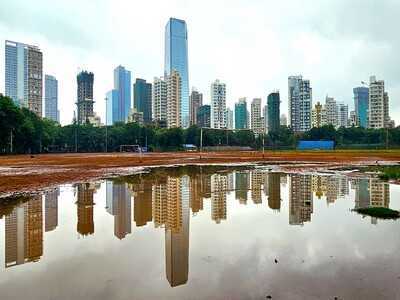
New Delhi [India], March 15 (ANI): India's real estate sector is witnessing a structural shift as infrastructure expansion and policy support begin to unlock the growth potential of Tier-2 cities, industry experts noted. Improved connectivity through highways, industrial corridors, metro networks, and regional airports is increasingly transforming emerging urban centres into attractive destinations for businesses and homebuyers.
The Union Budget's allocation of Rs 5,000 crore for the development of new City Economic Regions (CERs) over the next five years is likely to accelerate economic activity and urbanisation across Tier-2 and Tier-3 cities by creating new growth clusters and strengthening infrastructure networks.
In addition, Rs 85,000 crore has been allocated to the Ministry of Housing and Urban Affairs, a significant portion of which is expected to support metro rail projects, urban mobility initiatives, and infrastructure upgrades in emerging cities.
Industry stakeholders believe these policy measures could accelerate the decentralisation of real estate growth beyond traditional metropolitan markets.
Infrastructure development is emerging as a key catalyst behind the growing real estate activity in Tier-2 cities. New expressways, logistics corridors, and airport upgrades are improving regional connectivity and unlocking new development corridors across several states.
Cities including Lucknow, Jaipur, Indore, Coimbatore, Chandigarh, Ahmedabad, and Bhubaneswar are witnessing increasing real estate activity as developers expand into markets where infrastructure upgrades are strengthening economic prospects.
Many of these cities are gradually emerging as economic contributors, collectively hosting around 70 million square feet of Grade-A office space and nearly 80 million square feet of logistics infrastructure.
Robin Mangla, President, M3M India, said that the combination of infrastructure expansion and rising investments is positioning Tier-2 cities as the next frontier of real estate growth.
"The expansion of infrastructure development, coupled with increasing investments, is strengthening the positioning of Tier-2 cities as the next frontier of growth in the real estate landscape. Augmented connectivity via expressways, industrial corridors, and urban transit systems is creating new dimensions of accessibility and developing economic hubs beyond traditional metropolitan cores," he said.
Mangla added that as Tier-1 cities face challenges related to land availability and urban saturation, homebuyers and investors are increasingly exploring emerging locations that offer more space, affordability, and long-term growth potential.
Another major factor supporting the rise of Tier-2 real estate markets is the expansion of Global Capability Centres (GCCs).
Multinational companies are increasingly exploring emerging cities for technology, research, and shared service operations in order to reduce operating costs and tap into new talent pools. This trend is creating demand for both office spaces and residential developments in several Tier-2 markets.
Prakhar Agrawal, Director, Rama Group, said continued policy emphasis on infrastructure and urban development is expected to accelerate the transformation of smaller cities.
"The Union Budget's continued emphasis on strengthening infrastructure and urban development in emerging regions is expected to significantly accelerate the growth of Tier-2 and Tier-3 cities. Markets such as Raipur and Bilaspur are witnessing a gradual transformation as improved civic infrastructure, better road networks, and expanding commercial activity reshape their urban landscape," he said.
Government initiatives aimed at balanced regional development are also encouraging developers and investors to look beyond saturated metro markets.
Sidharth Chowdhry, Managing Director, Dalcore, said infrastructure expansion is playing a transformative role in reshaping the real estate landscape in emerging cities.
"Improved connectivity through regional airports, highways, and metro expansions has significantly enhanced accessibility, economic activity, and investor confidence across Tier-2 markets," he said.
With sustained infrastructure spending and the creation of new economic clusters, cities such as Lucknow, Jaipur, Indore, Coimbatore, Ahmedabad, and Bhubaneswar are expected to play a key role in shaping the next phase of India's real estate growth story. (ANI)
Contact to : xlf550402@gmail.com
Copyright © boyuanhulian 2020 - 2023. All Right Reserved.