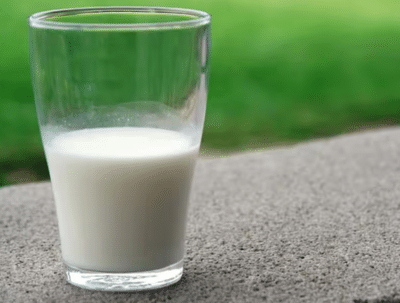
If a person starts having stomach related problems after consuming milk or milk products like cheese, lassi or other dairy products, then it could be a sign of lactose intolerance.

Milk causes digestive problems
Milk has long been considered extremely beneficial for our health. After a child's birth, a person's first food is milk, starting with their mother's milk. This is why milk is considered a great source of strength and nutrition. However, many people experience stomach problems after drinking milk. Some experience gas, bloating, indigestion, or stomach pain. This often raises the question of why this happens after drinking milk and who should avoid it. So, today we'll explain why gas is produced after drinking milk and who should avoid it.
Why does milk cause gas?
Milk contains a natural sugar called lactose. To digest it, the body needs an enzyme called lactase, which is produced in the small intestine. When this enzyme is reduced in the body, lactose cannot be absorbed properly. This can lead to problems like gas, bloating, pain, or diarrhea after drinking milk.
Common Symptoms of Lactose Intolerance
If a person experiences stomach problems after consuming milk or milk products like paneer, lassi, or other dairy products, it could be a sign of lactose intolerance. Common symptoms include gas, bloating, or a feeling of heaviness, stomach pain or cramps, loose bowel movements or diarrhea, and nausea or vomiting. These symptoms typically appear within 30 minutes to 2 hours of consuming milk.
Who is more likely to experience problems with milk?
Not everyone experiences problems with milk, but some are more likely to experience these problems. People with weak digestive systems or those who already suffer from gas, acidity, or stomach problems may have difficulty digesting milk. Additionally, many people's ability to digest milk decreases with age. In some cases, intestinal diseases can also increase stomach problems after drinking milk.
Is it necessary to drink milk?
Experts believe that mother's milk is essential for babies and provides their needs for approximately 6 to 7 months. After this, babies gradually begin to eat solid foods. Although milk is considered a part of our diet and culture, and many people consider it a good source of protein, if someone has problems with milk, their protein needs can be met through other sources.
Contact to : xlf550402@gmail.com
Copyright © boyuanhulian 2020 - 2023. All Right Reserved.