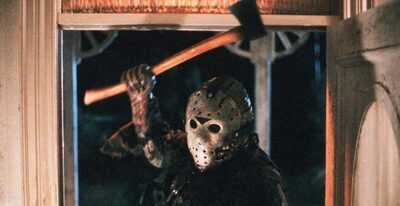
Each year, without fail, a date slips into the calendar that even the most logical people have to stop and think about it: Friday the 13th. For some, the date means no travelling, for others it is the rescheduling of the important meetings, and for some it is just joking about staying in bed the whole day. However, the fear of Friday the 13th extends beyond simple jokes and pop culture references. It is a concoction of mythology, religion, historic events, as well as the narrations of modern times, which have reversed the concept of an ordinary date into one of the most dreaded days in the calendar.
And even though science argues that there is nothing unlucky about this day, the cultural obsession still does not want to die.
How Did Friday The 13th Happen?The infamous number 13 had been there way before Friday came into the scene. Usually, the number 12 was identified as a symbol of wholeness in most of the ancient cultures. Just think about it: 12 months in a year, 12 zodiac signs, 12 Gods of Mount Olympus in Greek mythology. Consequently, thirteen was considered a disruptor.
One story that is often cited as a reason for the number 13 being unlucky is from Norse mythology. The story goes that twelve gods were having a party in Valhalla when Loki, the god of mischief, showed up unexpectedly as the 13th guest. Things got out of control. Loki was able to persuade the other gods to kill Balder, who was the god of light and joy. Since that time, 13 became the number associated with havoc and bad luck.
Whether this story is a historical fact or a symbolic expression, it encapsulates the belief that thirteen dinner guests were a bad omen.
The Christian Connection With Friday The 13th
The number was imbued with yet another symbolic meaning through the events of the New Testament. A lot of scholars believe that the superstition started with the Last Supper. The Bible tells us that there were thirteen people present at the meal Jesus shared with his disciples for the last time.
Shortly afterward, Jesus was arrested, and the day following this, he was crucified, which was a Friday.
Gradually, Friday the thirteenth together became a symbol of bad luck. However, it is also quite fascinating that, according to researchers, the notion of Friday the 13th as a very unlucky day did not spread widely until recently.
Also Read: Diljit Dosanjh’s Latest Collaboration With Sia, David Guetta Is Breaking The Internet And Here Are More Details
When Friday and 13 officially joined forcesFriday and the number 13 were separately considered unlucky for centuries. Friday had, in fact, its own dark connotations in European folklore, where it was linked to bad luck, misfortunes, or even executions.
However, the particular combination of Friday The 13th seems to have been popularized in the 19th century.
A first mention can be found in a 1834 French play where one of the characters is complaining about having been born on Friday the 13th and how it only seemed to bring bad luck. Another time, it was in an English biography of the Italian composer Gioachino Rossini that the peculiar coincidence was mentioned that Rossini, who thought both Fridays and the number 13 to be unlucky, was actually dying on Friday, November 13, 1868.
And so the superstition gradually made its way into literature, newspapers, and everyday talks.
Is Friday the 13th actually unlucky?Friday the 13th has a scary reputation, but hard data supporting its extra danger is scarce. Researchers discovered that a large number of people say they get a little scared just from the date. This fear even has a name, paraskavedekatriaphobia. Some people might avoid flying, cancel meetings, change plans to travel, etc., because of this superstitious fear.
As a consequence, U.S. businesses end up losing billions of dollars indirectly due to these fears if one considers the annual accumulation of losses resulting from reduced business activities. On the contrary, human behavior in some ways, because of superstition, may cause a reduction of accidents, for the reason that people on Friday the 13th may tend to be more careful.
In some instances, it is superstition that turns people into slowing down. Friday The 13th is feared mostly by Westerners. In other places, different days have notorieties similar to this one.
In Spain and many Latin American countries, Tuesday The 13th is the day seen as unlucky. One of the reasons for the negative association with Tuesday in Greek tradition is the fall of Constantinople, which was part of the historical context of the whole idea of it as a day of bad luck. Additionally, every culture appears to have its own version of a bad luck day.
Film parodies you may want to see on Friday The 13th. For those who are attracted to the eeriness rather than avoiding it, Friday the 13th provides a great reason to do a horror movie marathon.
Friday the 13th (1980) The story behind why a superstition turned into a pop culture phenomenon. The elements of Camp Crystal Lake, the masked killers, and the suspense of the classic slasher film. A true work that helped make Friday the 13th famous. Here are some movies you should definitely watch on Friday The 13th –
The Omen
Hereditary
The Cabin in the Woods
The Witch
Jeepers Creepers
Scream franchise
Saw
House of Wax
The Barbarian
Also Read: Rashmika Mandanna Threatens Legal Action Over Leaked Audio Of Her Mother; Here’s The Full Story
The post Decoding The History Behind Friday The 13th And Why It’s Considered Unlucky first appeared on MissMalini.
Contact to : xlf550402@gmail.com
Copyright © boyuanhulian 2020 - 2023. All Right Reserved.