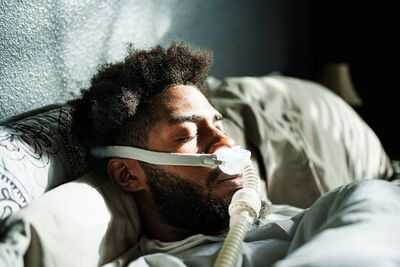
An expert has cautioned that your snoring might signal a more serious underlying health condition. In certain circumstances, you should get medical advice, he recommended.
Snoring is frequently dismissed as a harmless, albeit irritating, nocturnal habit. However, in some instances, it may suggest something requiring medical intervention.
Obstructive sleep apnoea (OSA) is a condition where the airway repeatedly closes during sleep, disrupting breathing for brief periods. Numerous cases remain undetected for years, with symptoms being confused with routine fatigue or pressure.
- New warning for some taking drugs like Sertraline, Citalopram and Fluoxetine
- Dr Amir Khan message for people on lansoprazole, omeprazole, or pantoprazole
To assist people in distinguishing the difference, a specialist at Sleeplay, a CPAP and sleep therapy provider, has identified seven warning indicators that should not be overlooked. "Snoring on its own doesn't always mean something is wrong," Aaron M Fuhrman, founder and CEO of Sleeplay, said.
"But when certain patterns show up alongside it, that's when it's worth paying attention." Aaron identified the seven indicators that your snoring might suggest something requiring medical attention.
 Loud, persistent snoring
 Not all snoring is the same. Snoring that's loud enough to disturb a partner and occurs most nights of the week is one of the most reliable signs of OSA.
Occasional, gentle snoring after a tiring day or a drink is seldom a worry, but constant, heavy snoring is another matter entirely. Loud snoring on a near-nightly basis is the body signalling that the airway is under strain during sleep," Aaron said. "It's one of the most common reasons people end up coming to us."
Choking, gasping, or snorting noisesThis is an incredibly revealing symptom. When the airway becomes completely obstructed, the body jerks itself awake to restore breathing, frequently producing a choking, gasping, or snorting noise.
A bed partner is often the first to spot this, as the person experiencing it may have no recollection of it.
Morning headachesWaking up with a headache, especially one that disappears within an hour or two, can be a sign that oxygen levels fell during the night. When breathing is repeatedly disrupted during sleep, carbon dioxide can accumulate in the blood, causing blood vessels in the brain to dilate. That often leads to a dull, lingering headache come morning.
Feeling weary following a restless night is to be expected. Feeling completely drained every single day despite spending a full night in bed isn't.
Sleep apnoea stops the body from entering the deeper, restorative phases of sleep, meaning those affected can wake after eight hours feeling as if they've barely rested.
"A lot of people just accept that they're tired all the time," Aaron said. "They put it down to a busy life or getting older. But the kind of fatigue that affects your ability to function is worth investigating."
Changes in mood or increased irritabilityPersistent sleep deprivation damages emotional control. Those with undiagnosed sleep apnoea often report heightened irritability, low spirits, and a quicker temper than normal.
In certain instances, it has also been linked with symptoms of anxiety and depression.
Problems with concentrationBattling to maintain focus, misplacing information, or experiencing mental cloudiness throughout the day can all stem from inadequate sleep quality. The brain consolidates memories and processes information during deep sleep - the very stages that sleep apnoea repeatedly interrupts.
Elevated blood pressureThis particular symptom often catches people off guard. Every time breathing ceases during sleep, the body reacts with a minor spike in stress hormones, elevating blood pressure.
Over time, this recurring pattern can contribute to hypertension, especially the type that remains challenging to control even with medication.
The dangers of sleep apnoeaThe ramifications of ignoring sleep apnoea extend far beyond feeling knackered. Studies have connected the disorder to an elevated risk of heart disease, stroke, type 2 diabetes, and metabolic problems.
The disrupted breathing and recurring dips in blood oxygen levels that define sleep apnoea exert continuous strain on the cardiovascular system over extended periods.
"Sleep apnoea isn't just a sleep problem," Aaron stated. "When it goes unaddressed for years, the impact on overall health can be significant. The positive is that it's very treatable. You have to know you have it first."
His guidance aligns with NHS recommendations, which advise consulting a GP if you experience any of the primary symptoms of sleep apnoea, including:
- Your breathing stops and starts whilst you sleep
- You make gasping, snorting or choking noises whilst you sleep
- You always feel very tired during the day
The NHS warns: "Sleep apnoea can be serious if it's not diagnosed and treated."
Contact to : xlf550402@gmail.com
Copyright © boyuanhulian 2020 - 2023. All Right Reserved.