
Cholesterol – odds are you've come across the term and probably have some vague notion that it might be harmful to your wellbeing. It's frequently associated with heart disease, so it's hardly surprising it sparks worry.
What might catch you off guard, though, is that cholesterol is actually vital for your health and, crucially, you can control it through your diet. Cholesterol is a form of fat and, if you could examine it closely, you'd notice a waxy substance with a yellowish tinge.
And whilst you might hear cholesterol discussed alongside foods such as red meat, dairy and eggs, the overwhelming majority of cholesterol is actually produced by your own body, and every single cell requires it to function properly and carry out the processes that keep you ticking.
- New warning for some taking drugs like Sertraline, Citalopram and Fluoxetine
- I woke up blue and rushed to hospital, then the doctors started laughing
You can divide cholesterol into two straightforward groups: "good" and "bad". The beneficial cholesterol is high-density lipoprotein (HDL) cholesterol.
The harmful cholesterol is low-density lipoprotein (LDL) cholesterol. LDL cholesterol transports the "bad" cholesterol throughout your system and excessive amounts can result in deposits forming in your arteries – this is what can trigger a heart attack or stroke, reports Surrey Live.
HDL cholesterol clears the "bad" cholesterol from your arteries, transporting it back to the liver and lowering your risk of suffering a heart attack and stroke. But if you discover your LDL cholesterol levels are creeping too high, there's absolutely no cause for alarm.
Not only are medications on hand to help, but you can also bring down your levels of harmful cholesterol through what you eat. In fact, Dr Sarah Berry, chief scientist at science and nutrition company Zoe and a leading academic in cardio-metabolic health at King's College London, reckons "the right diet [can] improve your cholesterol as much as medication".
Now, nutritionist Rob Hobson has outlined eight practical and straightforward tips for lowering bad cholesterol levels. He explains: "Lowering cholesterol doesn't have to be complicated - simple food swaps can make a big impact. From boosting soluble fibre to embracing heart-healthy fats, these small changes add up over time."
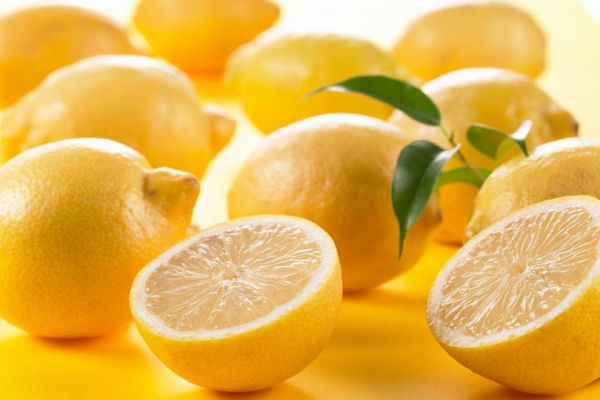
Food habits to improve your cholesterol 1. Up your daily soluble fibre intakeSoluble fibre can be found in foods such as beans and lentils, chickpeas, nuts, seeds, plenty of fruit (particularly apples, pears, berries, citrus fruits and grapes) and all vegetables. Soluble fibre works to reduce LDL cholesterol by "binding" to it in the digestive system and clearing it from your arteries. It's sensible to target around 30g of fibre each day.
 2. Opt for healthy fats
 You'll discover healthy fats in extra virgin olive oil, avocados, nuts, seeds and oily fish. Dr Berry explains: "Following a healthy fat diet can actually improve your cholesterol."
3. Up your plant-based protein consumptionPeople have spent years labouring under the false impression that we need to boost our protein intake and that this can only be achieved by consuming meat or other animal-based products such as eggs or yoghurt.
In reality, most of us are already comfortably getting all the protein we require, and we can obtain all the protein we need from plant sources.
4. Include plant sterols and stanolsThese are present in foods such as wheatgerm, sesame seeds, sunflower seeds, pistachios, almonds, avocado and extra virgin olive oil. They're also available in certain fortified foods and supplements.
Rob explains: "These naturally occurring compounds help block cholesterol absorption."
 5. Cut down on ultra-processed foods (and sugary snacks)
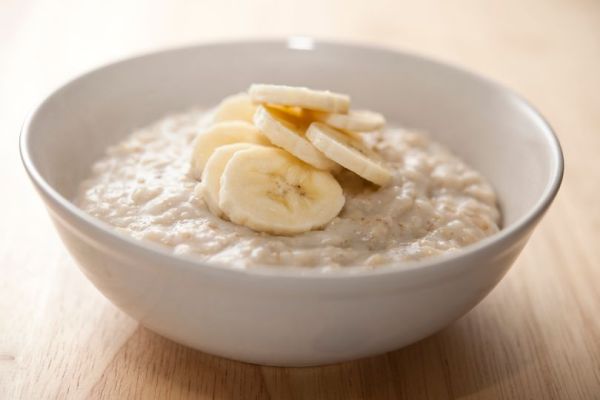
 Ultra-processed foods frequently contain elevated levels of salt, sugar and saturated fat, alongside refined carbohydrates, which negatively impact cholesterol levels. Examples of these UPF products include: supermarket white bread, cereals, doughnuts, crisps, chocolates, biscuits, ice cream, packaged puddings and fizzy drinks.
6. Cook more at homeFood purchased from the supermarket (and many restaurants) will typically contain high amounts of saturated fats, salt and sugar, plus chemicals to enhance flavour and extend shelf life. At home, you're highly unlikely to possess many of these chemical additives - and since you're presumably planning to consume your food immediately or freeze it, you don't require them.
7. Try simple food swapsSwap butter for extra virgin olive oil – even spread on your toast!
Reach for nuts rather than cereal, whip up your own salad dressings using olive oil and citrus fruits, pile more vegetables onto your plate in place of meat, experiment with replacing portions of minced beef with lentils in dishes like lasagne and spaghetti bolognese.
These are merely a handful of the dietary swaps you can adopt for a healthier way of eating and living.
This principle is straightforward: consume nutritious foods 80 per cent of the time, whilst savouring more indulgent fare 20 per cent of the time without any guilt whatsoever. Rob explains: "Cholesterol levels are influenced by long-term habits, not single meals. One indulgent meal won't significantly impact your levels."
Contact to : xlf550402@gmail.com
Copyright © boyuanhulian 2020 - 2023. All Right Reserved.