
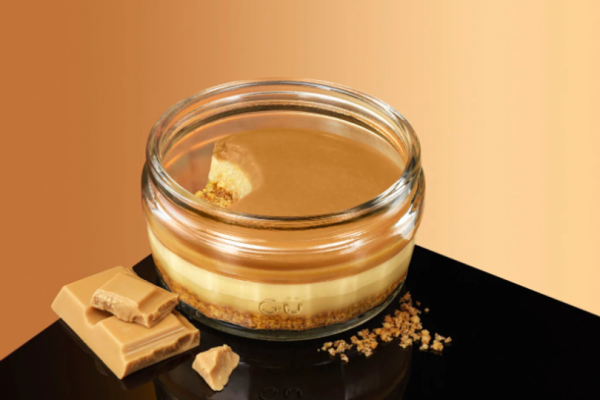
A popular dessert has been recalled with a warning some people shouldn't eat it. Gü Indulgent Foods is recalling Gü Blonde Chocolate Cheesecake because it has been mispacked with a cheesecake that contains hazelnuts (nuts) which are not mentioned on the label. The recall covers two packs of Gü Blonde Chocolate Cheesecake (82g) with a batch code of 226044 and a use by of March 12, 2026.
Gü is recalling the product from customers and has been advised to contact the relevant allergy support organisations, which will tell their members about the recall. The notices explain to customers why the product is being recalled and tell them what to do if they have bought the product.
A Food Standards Agency spokesman said: "If you have bought the product and have an allergy to hazelnuts (nuts) do not eat it. Instead return it to the store from where it was bought for a full refund. No receipt required. For more information, please contact recall@gupuds.com"
- Ian Huntley has life support 'switched off' and is 'hours from death'
- UK weather forecast as Brits face rare phenomenon and urged 'stay indoors'
Sometimes there will be a problem with a food product that means it should not be sold. Then it might be 'withdrawn' (taken off the shelves) or 'recalled' (when customers are asked to return the product). Sometimes foods have to be withdrawn or recalled if there is a risk to consumers because the allergy labelling is missing or incorrect or if there is any other food allergy risk. When there is a food allergy risk, the FSA will issue an Allergy Alert.
Hazelnut allergy is one of the most common nut allergies in the UK. Recent data from the Food Standards Agency (FSA) suggests that tree nuts (including hazelnuts) are among the top triggers for food-allergic reactions in British adults.
Approximately 6% of UK adults (around 2.4 million people) have a clinically confirmed food allergy, with hazelnuts being one of the most frequent culprits. About 2% of children in the UK are allergic to tree nuts.
In Europe, hazelnut is often cited as the most common tree nut allergy, though in the UK it sits alongside walnuts and cashews in terms of prevalence.
Hazelnut allergies typically present in one of two ways, depending on how your immune system reacts:
1. Pollen-Food Syndrome (Mild to Moderate)This is the most common form in the UK, often linked to a birch pollen allergy ( hay fever ). The immune system mistakes the proteins in raw hazelnuts for pollen.
Symptoms: Itching or tingling in the mouth, throat, or lips.
Many people with this form can eat hazelnuts if they are thoroughly cooked or roasted, as heat breaks down the reactive proteins.
This is a direct allergy to the hazelnut protein itself, independent of hay fever.
Skin: Hives (red, itchy bumps), swelling of the face, or a "nettle" rash.
Digestive: Stomach cramps, nausea, vomiting, or diarrhoea.
Respiratory: Runny nose, sneezing, or watery eyes.
For most, it is a manageable condition, but for a significant minority, it is extremely serious.
The Risk of AnaphylaxisTree nuts are responsible for a large percentage of severe food-related allergic reactions. Anaphylaxis is a life-threatening emergency that requires immediate medical attention. Signs include:
Airway: Swelling in the throat, tongue, or a hoarse voice.
Breathing: Difficulty breathing, wheezing, or a persistent cough.
Consciousness: Feeling faint, dizzy, or collapsing.
If you suspect a primary hazelnut allergy, you should carry an adrenaline auto-injector (like an EpiPen) at all times and avoid even trace amounts of hazelnuts, as "hidden" nut ingredients are common in processed foods.
Contact to : xlf550402@gmail.com
Copyright © boyuanhulian 2020 - 2023. All Right Reserved.