
Despite affecting over 200,000 people in the UK, low awareness and understanding could leave people with a painful chronic conditionundiagnosed for years. While there is no cure for the lifelong disease, the symptoms can be better managed the earlier you are diagnosed and the key to this could be spotting the lesser-known symptoms.
Lymphoedemacauses chronic swelling the body’s tissues, usually affecting the arms or the legs but it can appear in any part of the body according to the NHS. Swelling is the telltalesign of this conditionbut it also cause a range of other little-known and seemingly unconnected symptoms, March 6th marks Lymphoedema Awareness Day to highlight this condition.
Symptoms of lymphoedema:
- repeated skin infections
- developing hard, tight or thickened skin
- wart-like growths developing on the skin
- fluid leaking through the skin
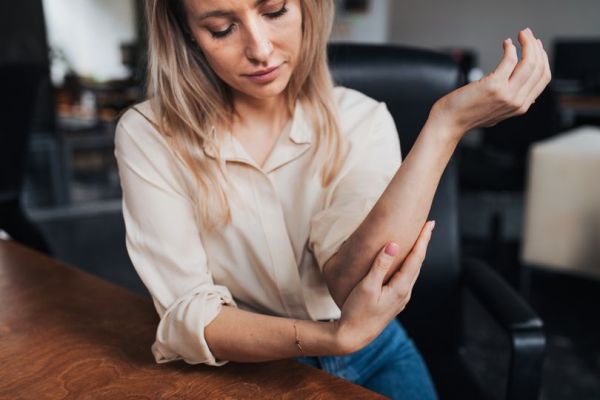
According to theLymphoedema Support Network, these symptoms may not seem troublesome at the very start and might even come and go. The swelling in particular may worsen during the day or in warm weather but then ease up at night.
The experts urged: “It is often possible to use simple measures to resolve the swelling at this stage so treatment should always be started as soon as possible.
“If left untreated, the swelling over time becomes more permanent; it doesn’t subside overnight and the area will begin to feel increasingly hard and solid.”
• Dr Amir Khan says people with long-term pain deserve 'understanding and support'
• 'I put stiff legs down to a trapped nerve until cruel reality hit'
When the swelling first begins, many people notice their clothes, jewellery and even watches have suddenly become tighter. As the tissues continue to swell, it can start to impact your movement and leave you with an aching or heavy feeling in the affected areas as well.
Lymphoedema is caused by a problem with the lymphatic system. This is the network of vessels and glands spread throughout the body that transports a colourless fluid known as lymph which helps fight infections and drain excess fluid from tissues.
When the system doesn’t work properly, lymph may not be transported or drained properly and builds up in certain areas of the body as a result. Primary lymphoedema is when this happens because of a faulty gene and it’s usually diagnosed in infancy or adolescence.
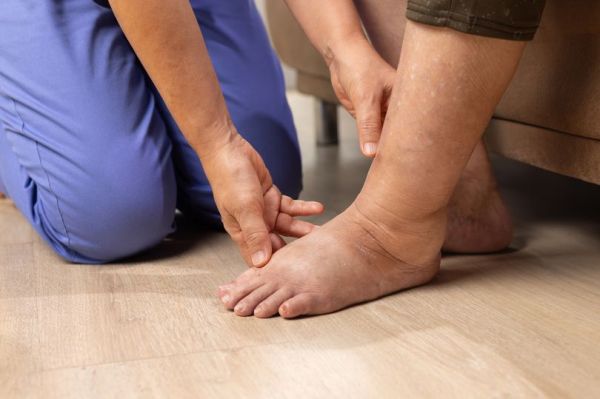
Secondary lymphoedema is diagnosed in later life and originates as the result of damage to the lymphatic system. Ailments like infections, injury, lack of limb moment or cancer treatment can cause this type of damage.
The Lymphoedema Support Network notes that the progressive nature of the disease can result in severe deformity, disability and life-threatening complications. Because of how it affects a person’s appearance it is also linked to psychological issues.
Treatment usually includes compression garments, needing to take extra good care of your skin and an emphasise on movement and exercise. Specialist massage techniques have also been developed to help the lymph fluid move along manually.
Contact to : xlf550402@gmail.com
Copyright © boyuanhulian 2020 - 2023. All Right Reserved.