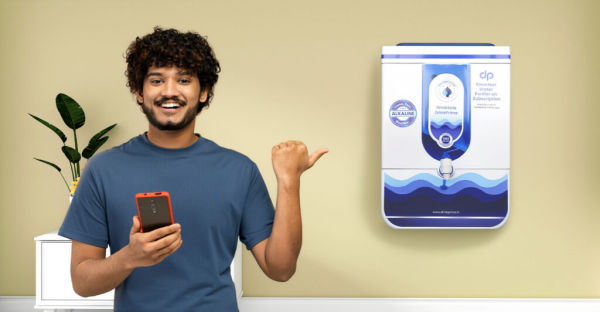
Presently, access to safe and healthy drinking water is something that many of us take for granted, but for millions of people in India, it remains a struggle. The drinking water problem in the country is not just about scarcity, but also about safety. Moreover, contaminated groundwater, polluted rivers, poor sanitation systems, and climate change have made clean drinking water difficult to access, especially in rural and low-income urban areas.
While government programs such as the Jal Jeevan Mission are working to provide tap water connections to rural households, infrastructure alone cannot completely solve the crisis. This is where water-tech startups are making a real difference. With innovation, technology, and scalable business models, they are developing smart water purification systems that are changing how communities access clean water.
Why India’s Drinking Water Problem Is So Serious
India has one of the highest population growth in the world but, limited freshwater resources. Additionally, with rapid urban growth, industrial waste, and excessive groundwater extraction that have worsened the situations.
In several states, groundwater is contaminated with harmful substances like arsenic and fluoride. These contaminants can cause serious health issues, including bone disorders, organ damage, and long-term diseases.
In many villages, people still rely on wells, hand pumps, or local water bodies that may not be safe. Boiling water can kill bacteria, but it does not remove heavy metals or chemical pollutants. Bottled water, on the other hand, is often too expensive for daily use. This makes affordable and reliable purification solutions essential.
The Rise of Water-Tech Startups
India’s growing startup ecosystem, supported by initiatives like Startup India, has encouraged entrepreneurs to tackle social challenges with technology. Water-tech startups are now playing a key role in addressing the Drinking Water Problem by offering practical, tech-driven solutions.
So, instead of depending only on large, centralized treatment plants, these startups focus on decentralized systems that can be installed in communities, apartment buildings, or even individual homes.
Smart Water Purification Systems at the Community Level
One of the biggest innovations has been the development of smart water purification systems. These systems combine technologies such as reverse osmosis (RO), UV treatment, and ultrafiltration with IoT (Internet of Things) sensors. The result is a purification unit that not only cleans water but also monitors its quality in real time.
For example, DrinkPrime offers water purifiers on rent on a subscription basis. Instead of buying an expensive machine upfront families can pay a small monthly fee. The device tracks filter usage and water quality automatically, ensuring safe drinking water without maintenance worries. This model makes clean water more affordable and accessible.
Similarly, companies like Sarvajal have introduced community water kiosks, often called “Water ATMs.” These kiosks use solar power and advanced filtration to provide purified water at low cost. Residents can collect water using prepaid cards or digital payments. Because these units are remotely monitored, operators can quickly fix any issues, ensuring consistent quality.
Affordable Solutions for Low-Income Households
Not every family can afford advanced electric purifiers. Recognizing this, brands like Eureka Forbes and newer startups are designing low-cost, non-electric purifiers. These systems use gravity-based filtration or nano-membrane technology to remove impurities without requiring power.
This approach is especially useful in areas with unreliable electricity supply. By focusing on affordability and ease of use, these innovations help reach households that were previously left out of the clean water network.
Building a Sustainable Future
Many water-tech startups are also thinking about sustainability. Solar-powered purification plants reduce dependence on electricity. Some companies are working on rainwater harvesting and wastewater recycling solutions. Others are exploring innovative methods like extracting drinking water from humidity in the air. These climate-resilient solutions are important because India’s water challenges are closely linked to changing weather patterns and increasing droughts.
Contact to : xlf550402@gmail.com
Copyright © boyuanhulian 2020 - 2023. All Right Reserved.