
People who enjoy a popular sweet might be shocked to learn that it can raise blood pressure. A cardiologist has named five 'surprising' things that can 'cause high blood pressure', and the traditional sweet featured on the list. Dr Nicole Harkin, MD, FACC, discussedfoods associated with high blood pressure in a post on her TikTok account @Nicoleharkinmd.
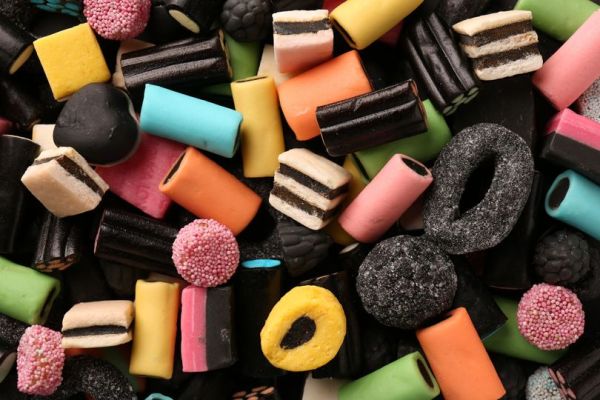
Dr Harkin is board-certified in Internal Medicine, Cardiology, Echocardiography, and Clinical Lipidology. In a video shared with her 16k followers, the cardiologist revealed that 'large quantities of black liquorice' can raise blood pressure.
Dr Harkin shared: "I actually had one patient who had new blood pressure issues from her newfound obsession with black liquorice. It resolved when I figured it out and had her stop eating it!"
- Everton star's three-word reaction during TV interview as Liverpool stunned by Wolves
- Mum gets Greggs Too Good To Go bag but is left questioning whether it was worth it
In her caption, Dr Harkin explained there are several factors to consider when controlling blood pressure. She said: "While diet, physical activity, age, and genetics are the major players for our blood pressure, there are a number of other things that can raise blood pressure that are good to be aware of."
She went on to include some medications, thyroid disorders, obstructive sleep apnea, and excessive alcohol intake in her list, along with black liquorice. British Heart Foundation also shares a warning for people who eat Black liquorice on its website, explaining that eating large quantities could pose a risk to some people.
BHF dietitian Victoria Taylor explained: "Liquorice sweets that come dusted (or even crusted) in salt are obviously not the best choice for your heart, but it’s generally safe to eat a small amount of liquorice every now and then.
"However, large and even moderate amounts of black liquorice (57g or around 2oz) can have negative physical effects when eaten daily, especially if you are aged over 40 and have a history of cardiovascular disease or high blood pressure."
According to the heart health charity, the risks are caused by glycyrrhizin, which is found in liquorice root. It's approximately 30 to 50 times sweeter than sugar, and it can affect levels of potassium and sodium, which play an important role in regulating body fluid. It adds that eating too much glycyrrhizin can also cause fluid retention and muscle weakness.
British Heart Foundation said: "The good news is that if liquorice has this effect on you, the changes are not normally permanent. Stop consuming liquorice and your levels of sodium, potassium and fluid should return to normal.
"However, if you have experienced any symptoms that may be triggered by liquorice, it’s important to let your doctor know, so he or she can make sure there is no other possible cause." Always speak to a GP about any health concerns.
Contact to : xlf550402@gmail.com
Copyright © boyuanhulian 2020 - 2023. All Right Reserved.