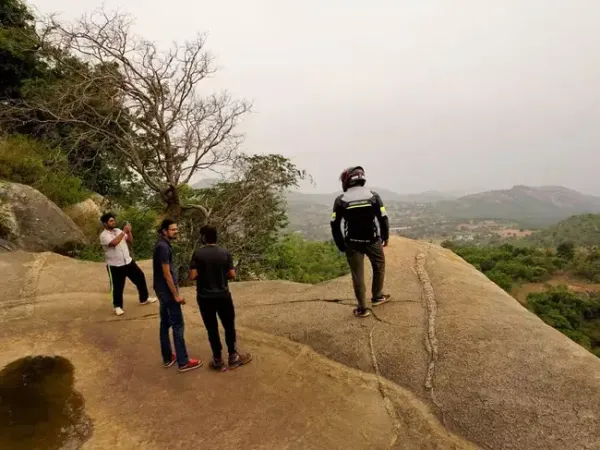
A morning hike meant to soak in cool breeze and sweeping hill views turned into a moment of clarity for a Bengaluru founder. Surrounded by foggy farms at a summit near the city, he overheard a conversation that perfectly captured what he believes is wrong with the work culture around him. That overheard exchange became the tipping point behind his decision to leave India’s startup capital for Goa—and his blunt diagnosis of what he calls the “Bengaluru virus.”
Ankit Vengurlekar took to LinkedIn to reflect on his upcoming move from Bengaluru to Goa and the stark contrast he has experienced between the two places. During a recent weekend trek to Kaivarabetta with a group, he found himself listening to two software engineers who had just met an HR professional. Even at the summit, in the middle of nature, their first instinct was to ask each other 'what do you do?'
According to Vengurlekar, that question is almost automatic in Bengaluru. Whether it’s on pickleball courts, during morning runs, at dinner, or even on dates, conversations quickly turn toward work, salaries, and opportunities. He described this constant pull toward professional identity as a kind of infection. In his words, once someone catches it, they develop a toxic inability to switch off work talk, no matter the setting.
He went further, arguing that the obsession crosses age, gender, and experience levels. From birthday gatherings to deeply personal events, professional identity often overshadows everything else. He expressed sadness at what he sees as people reducing themselves to workers first and individuals second.
His time in Goa
In contrast, his recent time in Goa, while house hunting, offered a different experience. Spending days with business owners and founders there, he noticed that conversations never drifted toward work. He clarified that this did not reflect a lack of ambition or success. By conventional measures, he said, these individuals were highly accomplished. Yet work did not dominate their social interactions or define their presence.
For Vengurlekar, this contrast solidified his decision. He believes work should remain a small component of a wholesome life, not the axis around which friendships, relationships, health, and family revolve. In his view, the city’s hustle culture extracts an enormous cost that many only recognise after years of living through it. He admitted it took him two decades of full-time work to reach that realisation.
He also expressed admiration for Gen Z, praising their awareness of the toll that obsessive hustle culture can take. He highlighted their willingness to set boundaries and their clarity about what they want from life, suggesting that they may be more resistant to the so-called virus than previous generations.
Others echoed the sentiment that ecosystems influence identity. When professional success becomes the primary currency, people start measuring themselves solely through titles, salaries, and milestones. A few pointed out that success feels richer when conversations move beyond work and into personal growth and lived experiences.
Some Bengaluru-based professionals admitted they have had similar debates with friends about work dominating life. A few shared that they consciously worked toward maintaining balance early in their careers, prioritising travel, relationships, and personal time. They described sacrificing small joys for constant work validation as a loss that cannot truly be recovered.
Ankit Vengurlekar took to LinkedIn to reflect on his upcoming move from Bengaluru to Goa and the stark contrast he has experienced between the two places. During a recent weekend trek to Kaivarabetta with a group, he found himself listening to two software engineers who had just met an HR professional. Even at the summit, in the middle of nature, their first instinct was to ask each other 'what do you do?'
According to Vengurlekar, that question is almost automatic in Bengaluru. Whether it’s on pickleball courts, during morning runs, at dinner, or even on dates, conversations quickly turn toward work, salaries, and opportunities. He described this constant pull toward professional identity as a kind of infection. In his words, once someone catches it, they develop a toxic inability to switch off work talk, no matter the setting.
He went further, arguing that the obsession crosses age, gender, and experience levels. From birthday gatherings to deeply personal events, professional identity often overshadows everything else. He expressed sadness at what he sees as people reducing themselves to workers first and individuals second.
His time in Goa
In contrast, his recent time in Goa, while house hunting, offered a different experience. Spending days with business owners and founders there, he noticed that conversations never drifted toward work. He clarified that this did not reflect a lack of ambition or success. By conventional measures, he said, these individuals were highly accomplished. Yet work did not dominate their social interactions or define their presence.For Vengurlekar, this contrast solidified his decision. He believes work should remain a small component of a wholesome life, not the axis around which friendships, relationships, health, and family revolve. In his view, the city’s hustle culture extracts an enormous cost that many only recognise after years of living through it. He admitted it took him two decades of full-time work to reach that realisation.
He also expressed admiration for Gen Z, praising their awareness of the toll that obsessive hustle culture can take. He highlighted their willingness to set boundaries and their clarity about what they want from life, suggesting that they may be more resistant to the so-called virus than previous generations.
Internet reacts
The post sparked thoughtful reactions online, with many agreeing that cities often shape the values people internalise. Several users observed that Bengaluru appears to reward ambition and output, while places like Goa seem to value presence and balance. For them, the real choice lies in deciding which rhythm one wants life to follow.Others echoed the sentiment that ecosystems influence identity. When professional success becomes the primary currency, people start measuring themselves solely through titles, salaries, and milestones. A few pointed out that success feels richer when conversations move beyond work and into personal growth and lived experiences.
Some Bengaluru-based professionals admitted they have had similar debates with friends about work dominating life. A few shared that they consciously worked toward maintaining balance early in their careers, prioritising travel, relationships, and personal time. They described sacrificing small joys for constant work validation as a loss that cannot truly be recovered.