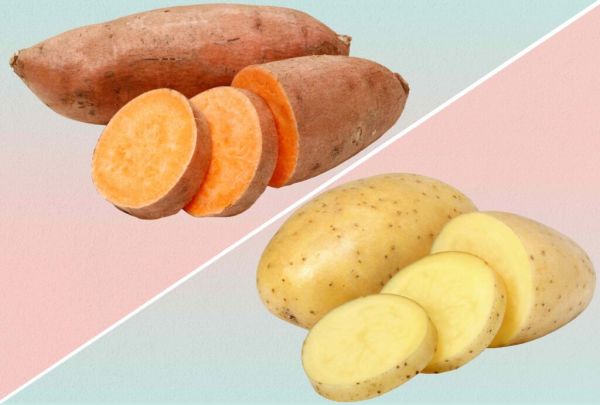
Learn the nutrition, glycemic impact and expert advice to choose the best fit for your health goals.
Reviewed by Dietitian Jessica Ball, M.S., RD
Key Points
- Both sweet potatoes and white potatoes offer valuable nutrients, including vitamin A, vitamin C and resistant starch.
- The impact on blood sugar depends on factors like variety, cooking method and portion size.
- Including either potato in a balanced diet, alongside protein and healthy fat, can support blood sugar management.
When it comes to starchy vegetables, potatoes often get a bad rap, especially for those concerned about blood sugar. You might be wondering: Is one type of potato a better choice for managing blood sugar levels? The good news is both sweet potatoes and white potatoes are nutrient-dense foods that can be part of a healthy diet. We spoke with registered dietitians to understand the benefits of both types of potatoes and what the science says about their impact on blood sugar.
Sweet Potato Benefits
Rich in Vitamin A
One of the standout benefits of sweet potatoes is their high content of beta-carotene, which the body converts into vitamin A. Megan Huff, RDN, says, “Sweet potatoes are a great source of vitamin A, with a medium sweet potato containing 120% of the Daily Value.” Vitamin A has antioxidant benefits and is crucial for vision, immune function and cell growth.
Good Source of Vitamins and Minerals
A medium sweet potato is also a good source of other vitamins and minerals, providing about 25% of the Daily Value for vitamin C, 12% DV for potassium and 25% DV for manganese. These nutrients help support various functions in the body, such as immune health, energy metabolism and nerve signaling.
Fiber for Gut Health
With 4 grams of dietary fiber per serving, sweet potatoes can support a healthy digestive system. Fiber helps promote regular bowel movements, keeps blood sugar levels stable and supports overall gut health. Sweet potatoes also contain prebiotic fiber, which feeds the beneficial bacteria in your gut and helps them thrive.
White Potato Benefits
Surprising Source of Vitamin C
A medium white potato contains 19 milligrams of vitamin C. As registered dietitian Lauren Manaker, M.S., RDN, LD, points out, “White potatoes are a surprising source of vitamin C. While we typically associate vitamin C with citrus fruits like oranges, a medium-sized white potato contains about 20% of your daily recommended intake. This essential vitamin supports your immune system, helps your body absorb iron and acts as a powerful antioxidant to protect your cells from damage.”
Packed with Potassium
White potatoes are also a good source of potassium, with a medium potato containing 867 mg, or 18% DV. Potassium is an important electrolyte that helps regulate fluid balance, muscle contractions and nerve signals. A diet rich in potassium can also help lower blood pressure.
Contains Resistant Starch
One of the most interesting components of white potatoes is resistant starch. This type of starch is not digested in the small intestine and instead ferments in the large intestine, acting as a prebiotic. Research has shown that resistant starch can improve insulin sensitivity and help control blood sugar levels. The amount of resistant starch in potatoes can be increased by cooking and then cooling them before eating, meaning that enjoying them as leftovers can be extra healthy.
Which Is Better for Blood Sugar?
When it comes to blood sugar, it’s more complex than simply choosing one potato over the other. The glycemic index of a food, which measures how quickly it raises blood sugar levels, can be influenced by many factors, including cooking method.
Riley Peterson, RDN, explains, “While sweet potatoes are often perceived as better for blood sugar, the reality is more nuanced. Glycemic index (GI) data show sweet potatoes can have a GI similar to, or even higher than, regular potatoes, depending on variety and preparation.” For example, boiled sweet potatoes have a lower glycemic index than baked or roasted sweet potatoes.
Peterson also notes, “Regular potatoes contain more resistant starch than sweet potatoes, which can help control blood sugar.” This is a key factor to consider, as resistant starch has been shown to help improve the body’s ability to manage blood sugar after meals.
Ultimately, both sweet potatoes and white potatoes can be part of a blood sugar–friendly diet. The key is to be mindful of portion sizes and preparation methods. Pairing potatoes with a source of protein and healthy fat can also help slow down the absorption of carbohydrates and prevent blood sugar spikes. For example, try making stuffed potatoes with taco-seasoned ground beef, chicken or tofu for protein, and top with avocado for healthy fats.
Our Expert Take
Both sweet potatoes and white potatoes are nutritious vegetables that offer a range of health benefits. Sweet potatoes are an excellent source of vitamin A, while white potatoes provide a good amount of vitamin C and resistant starch. When it comes to blood sugar, how you cook and eat your potatoes is more important than the type you choose. Instead of focusing on which potato is “better,” focus on incorporating a variety of vegetables into your diet and preparing them in a healthy way.
Contact to : xlf550402@gmail.com
Copyright © boyuanhulian 2020 - 2023. All Right Reserved.