
This 1 Habit After Every Meal Is More Powerful Than Medication
Modern lifestyles and diets have increased risks of heart disease, diabetes, and brain fog. Surprisingly, prevention may not require expensive medicine or intense workouts. According to a diabetologist with 24 years of experience, a 10–15 minute walk after each meal breakfast, lunch, and dinner can reduce heart attack risk by 40%. This small habit regulates blood sugar spikes, reduces inflammation, enhances nitric oxide levels, clears brain fog, and lowers triglycerides. Incorporating this simple practice can have measurable outcomes for patients with diabetes, high blood pressure, high cholesterol, and anyone concerned about cardiovascular and brain health.
Improve Sugar Control

After eating, blood sugar levels rise, triggering insulin release. Excess insulin causes inflammation and oxidative stress, which can damage arteries and increase heart attack risk. Walking for 10–15 minutes helps regulate sugar spikes, reduces insulin-related stress, and limits inflammation. This simple habit stabilizes blood sugar naturally, protecting the heart, brain, and blood vessels. Regular post-meal walking is a practical step to maintain long-term health without medication, offering measurable benefits for anyone concerned about diabetes or cardiovascular issues.
Reduce Triglycerides
Walking after meals reduces triglyceride levels, a type of cholesterol particle that can form plaques in arteries. High triglycerides increase the risk of heart attack and stroke. Even a short, brisk walk helps remove these fats from the bloodstream, improving circulation and cardiovascular health. By consistently walking post-meals, the blood is “purified,” reducing plaque formation and lowering the risk of heart disease. This habit is especially important for people with high cholesterol, diabetes, or metabolic syndrome, offering a natural, cost-free way to protect the heart.
Increase Nitric Oxide in Arteries
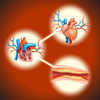
Post-meal walking stimulates nitric oxide release from artery walls, improving blood vessel flexibility. Nitric oxide widens arteries, enhances circulation, and reduces the strain on the heart. Improved blood flow helps prevent hypertension and lowers cardiovascular risk. This natural boost is crucial for maintaining healthy arteries and reducing oxidative stress. Even a short 15-minute walk triggers this effect, supporting long-term heart health. It is a simple, low-effort strategy that strengthens your cardiovascular system while also benefiting brain function and overall energy.
Reduce Brain FogMany people feel sleepy or mentally sluggish after eating due to sugar and insulin spikes. Walking post-meal helps the brain process sugar efficiently, preventing fatigue and mental fog. This clears the mind, enhances focus, and improves productivity throughout the day. Regular post-meal walks can also protect cognitive function, reduce stress, and stabilize mood. By turning a sedentary post-meal routine into a walking habit, you improve both physical and mental well-being, giving your body and mind the boost they need to stay active and alert.
Protect the Heart and ArteriesThe combined effect of controlling sugar, reducing triglycerides, increasing nitric oxide, and reducing inflammation protects the heart and arteries. Walking after meals strengthens cardiovascular health naturally, reduces plaque formation, and lowers the risk of heart attack. This small daily habit is more effective than many medications and comes with no cost or side effects. By consistently taking these brief walks, you create a sustainable, life-saving routine that benefits your heart, brain, and overall health, transforming your everyday meals into a source of wellness.
Strengthening Heart Health Step by StepA simple 10–15 minute walk after every meal can dramatically improve your health. It regulates blood sugar, reduces triglycerides, boosts nitric oxide, clears brain fog, and protects your heart and arteries. This habit is simple, free, and backed by measurable scientific outcomes. Incorporating it into daily life can prevent heart attacks, strokes, and metabolic problems while enhancing mental clarity. Small steps like these, repeated consistently, build powerful long-term health. If your goal is a stronger heart, sharper mind, and longer life, the walk after your meal is the easiest prescription you can follow.
Unlock insightful tips and inspiration on personal growth, productivity, and well-being. Stay motivated and updated with the latest at My Life XP.
Frequently Asked Questions (FAQs)
1. How long should I walk after eating?
A brisk 10–15 minute walk after every meal breakfast, lunch, and dinner is recommended to gain maximum heart and metabolic benefits.
2. Can walking after meals really reduce heart attack risk?
Yes. Studies and expert observations show that post-meal walking lowers blood sugar spikes, reduces triglycerides, improves circulation, and protects arteries, collectively reducing heart attack risk by up to 40%.
3. Do I need a gym or special equipment for this habit?
No. This is a simple, cost-free practice. A short walk around your home, yard, or neighborhood is sufficient.
4. Will it help people with diabetes or high cholesterol?
Absolutely. Post-meal walking improves sugar control, reduces inflammation, and lowers triglycerides, benefiting individuals with diabetes, high cholesterol, high blood pressure, and heart risks.
5. Can this habit improve mental clarity?
Yes. Walking after meals prevents post-meal brain fog, enhances focus, reduces sleepiness, and increases energy by stabilizing blood sugar and improving circulation.
Improve Sugar Control
A person walking in a park after lunch, symbolizing better sugar control and heart health.
After eating, blood sugar levels rise, triggering insulin release. Excess insulin causes inflammation and oxidative stress, which can damage arteries and increase heart attack risk. Walking for 10–15 minutes helps regulate sugar spikes, reduces insulin-related stress, and limits inflammation. This simple habit stabilizes blood sugar naturally, protecting the heart, brain, and blood vessels. Regular post-meal walking is a practical step to maintain long-term health without medication, offering measurable benefits for anyone concerned about diabetes or cardiovascular issues.
Reduce Triglycerides
Visualization of blood vessels clearing after exercise, representing reduced triglycerides.
Walking after meals reduces triglyceride levels, a type of cholesterol particle that can form plaques in arteries. High triglycerides increase the risk of heart attack and stroke. Even a short, brisk walk helps remove these fats from the bloodstream, improving circulation and cardiovascular health. By consistently walking post-meals, the blood is “purified,” reducing plaque formation and lowering the risk of heart disease. This habit is especially important for people with high cholesterol, diabetes, or metabolic syndrome, offering a natural, cost-free way to protect the heart.
Increase Nitric Oxide in Arteries
Healthy arteries widening with increased blood flow, symbolizing improved circulation.
Post-meal walking stimulates nitric oxide release from artery walls, improving blood vessel flexibility. Nitric oxide widens arteries, enhances circulation, and reduces the strain on the heart. Improved blood flow helps prevent hypertension and lowers cardiovascular risk. This natural boost is crucial for maintaining healthy arteries and reducing oxidative stress. Even a short 15-minute walk triggers this effect, supporting long-term heart health. It is a simple, low-effort strategy that strengthens your cardiovascular system while also benefiting brain function and overall energy.
Reduce Brain FogMany people feel sleepy or mentally sluggish after eating due to sugar and insulin spikes. Walking post-meal helps the brain process sugar efficiently, preventing fatigue and mental fog. This clears the mind, enhances focus, and improves productivity throughout the day. Regular post-meal walks can also protect cognitive function, reduce stress, and stabilize mood. By turning a sedentary post-meal routine into a walking habit, you improve both physical and mental well-being, giving your body and mind the boost they need to stay active and alert.
Protect the Heart and ArteriesThe combined effect of controlling sugar, reducing triglycerides, increasing nitric oxide, and reducing inflammation protects the heart and arteries. Walking after meals strengthens cardiovascular health naturally, reduces plaque formation, and lowers the risk of heart attack. This small daily habit is more effective than many medications and comes with no cost or side effects. By consistently taking these brief walks, you create a sustainable, life-saving routine that benefits your heart, brain, and overall health, transforming your everyday meals into a source of wellness.
Strengthening Heart Health Step by StepA simple 10–15 minute walk after every meal can dramatically improve your health. It regulates blood sugar, reduces triglycerides, boosts nitric oxide, clears brain fog, and protects your heart and arteries. This habit is simple, free, and backed by measurable scientific outcomes. Incorporating it into daily life can prevent heart attacks, strokes, and metabolic problems while enhancing mental clarity. Small steps like these, repeated consistently, build powerful long-term health. If your goal is a stronger heart, sharper mind, and longer life, the walk after your meal is the easiest prescription you can follow.
Unlock insightful tips and inspiration on personal growth, productivity, and well-being. Stay motivated and updated with the latest at My Life XP.
Frequently Asked Questions (FAQs)
1. How long should I walk after eating?
A brisk 10–15 minute walk after every meal breakfast, lunch, and dinner is recommended to gain maximum heart and metabolic benefits.
2. Can walking after meals really reduce heart attack risk?
Yes. Studies and expert observations show that post-meal walking lowers blood sugar spikes, reduces triglycerides, improves circulation, and protects arteries, collectively reducing heart attack risk by up to 40%.
3. Do I need a gym or special equipment for this habit?
No. This is a simple, cost-free practice. A short walk around your home, yard, or neighborhood is sufficient.
4. Will it help people with diabetes or high cholesterol?
Absolutely. Post-meal walking improves sugar control, reduces inflammation, and lowers triglycerides, benefiting individuals with diabetes, high cholesterol, high blood pressure, and heart risks.
5. Can this habit improve mental clarity?
Yes. Walking after meals prevents post-meal brain fog, enhances focus, reduces sleepiness, and increases energy by stabilizing blood sugar and improving circulation.
Contact to : xlf550402@gmail.com
Copyright © boyuanhulian 2020 - 2023. All Right Reserved.