
The UK Health Security Agency (UKHSA) has issued a warning online, urging people to be on the lookout for an"invisible danger." Talking to X, the official agency said that there are four things people across the UK should be doing, whether they live in a flat, house or bungalow.
It writes: "Carbon monoxide (CO) is a colourless, odourless gas that you cannot see, smell or taste - but it can kill. Make sure you understand the symptoms, learn who is most at risk, get fuel-burning appliances checked and get a CO alarm."
The alert comes as temperatures drop. When this happens, windows tend to be shut and the heating switched on leaving a potential unseen threat to seep into homes. It again stresses that while you cannot see, smell, or taste it, it can be deadly.
- Does burnt toast cause cancer? Scientist explains
- NHS lists 5 causes of jaw clicking when you chew and when to see a doctor
A stark statistic reveals that in England and Wales, around 20 people die each year from accidental carbon monoxide poisoning. And many more are admitted to the hospital as a result.
In England, 68% of carbon monoxide deaths happen in autumn and winter due to the cold and use of heating. This mix of more fuel-burning appliances in use and less fresh air can allow carbon monoxide to build to dangerous levels.
What are the symptoms of carbon monoxide poisoning?Because carbon monoxide is invisible and has no smell, recognising the symptoms is crucial. Watch out for:
- headache
- dizziness
- feeling or being sick
- feeling weak
- confusion
- chest and muscle pain
- shortness of breath
It warns: "An important warning sign is symptoms coming and going, especially if they get worse when you're in a particular room or building and improve when you leave or go outside. If you notice this pattern, it could indicate a CO problem."
Where does carbon monoxide come from?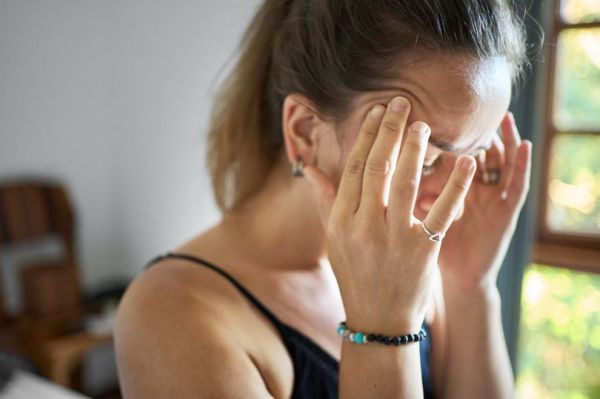
Common household appliances can produce carbon monoxide if they're not installed properly, are faulty, or are poorly maintained.
These include:
- gas boilers
- stoves burning wood, kerosene, natural gas, or propane
- heaters using wood, oil, or natural gas
The experts stress that using portable generators, barbecues, or camping stoves indoors such as in homes, caravans, or tents, can cause carbon monoxide (CO) poisoning. CO can even drift into tents from a smouldering barbecue outside, so always take a CO alarm when camping.
Good ventilation is essential. If you run vehicles, generators, or engines in a garage or shed, keep a window or door open. While cooking, use an extractor fan or open a window to prevent CO from building up.
How to stay safeThere are several straightforward steps you can take to protect yourself and your family.
It suggests that you read up on and remember the following:
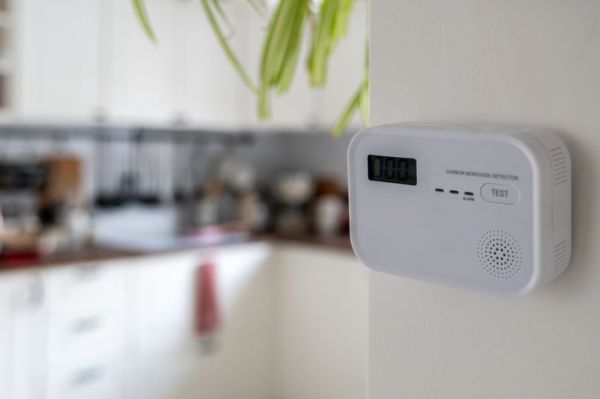
Install CO alarms – the most important step to protect your home. Only 46% of homes in England had a CO alarm in 2020, leaving millions at risk.
Use BS EN 50291-1 compliant alarms in every room with a fuel-burning appliance (gas boiler, coal fire, wood stove). This also applies to temporary homes like caravans and boats.
Test alarms regularly and replace batteries when needed.
Landlords must legally install CO alarms in any living space with a combustion appliance.
Use ventilation wisely – proper airflow helps keep CO levels low.
Extractor fans in kitchens significantly reduce carbon monoxide.
Always ensure good ventilation when cooking, using open fireplaces, wood stoves, or other fuel-burning appliances.
Ventilate enclosed spaces when running a generator or vehicle in a garage or shed.
Service your appliances annually. Have all gas appliances serviced every year by a Gas Safe registered engineer and get your chimney swept annually. Don't wait until something goes wrong.
Watch for warning signs. 'Floppy' yellow or orange flames on gas appliances instead of crisp blue ones, soot marks around appliances, or increased condensation inside windows can all indicate a problem.
If you think you might have carbon monoxide poisoning:
If you think a gas appliance is leaking carbon monoxide, call the free National Gas Helpline immediately on 0800 111 999. The service is available 24 hours a day, 7 days a week.
The UKHSA concludes by stressing: "Every carbon monoxide death is preventable. As we head into the colder months when risk is highest, take time this week to check your CO alarms."
It adds: "Book appliance services if they're due, and make sure everyone in your household knows the symptoms to watch for. These simple actions could save your life or the life of someone you love."
Ensure our latest headlines always appear at the top of your Google Search by making us a Preferred Source. Click here to activate or add us as your Preferred Source in your Google search settings.
Contact to : xlf550402@gmail.com
Copyright © boyuanhulian 2020 - 2023. All Right Reserved.