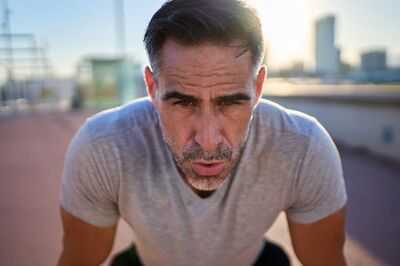
A TV doctor has shared some vital health guidance to anyone over 40. According to the expert, your body undergoes several changes as you get older.
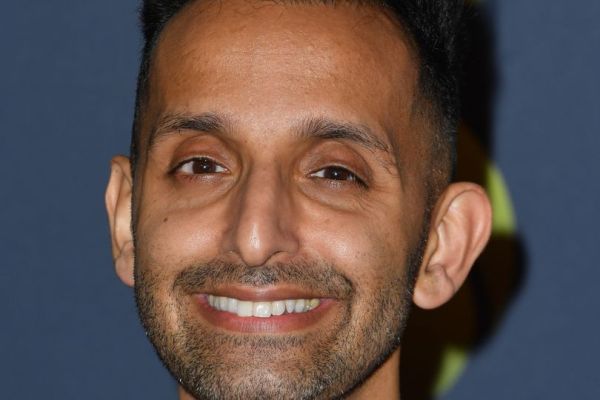
In a video uploaded to his Instagram page, Doctor Amir Khan, who is best known for his appearances on ITV, shared some health concerns some of his patients have - and why they’re not typically anything to worry about.
Speaking to his more than 900,000 followers, he said: “You know, something that patients say to me all the time after they reach 40 or 50 is, ‘Dr Amir, I feel like my body has changed.’ And honestly, they're not imagining it.”
- 'I'm a cardiologist and there are three things I would never eat or drink'
- 'I drank SIX bottles of wine EVERY DAY - until something horrific happened'
Dr Amir, who is 45 himself, continued: “There are some very real biological changes that start happening in our 40s that nobody really prepares us for.”
Loss of muscle“One of the biggest” changes your body might experience is a loss of muscle. Dr Amir said: “Now, one of the biggest is muscle. From around our 30s onwards we gradually lose muscle mass, a process called sarcopenia.
“And by our 40s, it becomes more noticeable. Muscle fibre shrinks, strength drops slightly, and joints can feel stiffer because muscle is what stabilises and protects them.
“So if you feel weaker, less toned, or take longer to recover after activity, it's not laziness, it's just biology. It's age-related muscle change and it's why strength training becomes so important in midlife.”
WeightOn top of this, you might notice where you hold weight on your body changes. Dr Amir said: “Now another change often people notice is weight shifting around the middle.
“Even if diet hasn't changed, fat distribution does change with age. Oestrogen and testosterone levels gradually decline, and that changes where the body stores fat, more around the abdomen, less around the hips and limbs.
“At the same time lower muscle mass slightly reduces resting metabolic rate. So the scale may not change dramatically but body shape can. That's a hormonal and metabolic shift, not a personal failing.”
 Vision
 Changes to your eyesight is “super common”. “Now this one's super common - vision,” he said.
“Around the 40s, the lenses inside the eye become less flexible. We call this presbyopia, it makes focusing on close objects harder.
“So people start holding menus or phones further away or needing brighter lights. It's universal ageing of the eye, not eye disease, and almost everyone experiences it by their mid-50s.”
HairYou might notice some unexpected hairs popping up. Dr Amir said: “Now, let's talk about the one that surprises people - random chin and facial hair.
“Now as oestrogen levels slowly decline in mid-life, the balance between oestrogen and other hormones called androgens, like testosterone, shift. Androgens, which we all have, stimulate coarse hair growth on areas like the chin and upper lip.
“So that's why sudden, darker, wiry hairs start appearing. They're very normal, it's all part of your hormones, even in people without the menopause yet .”
RecoveryYou might find it harder to “bounce back” at this age. “Now another one I hear constantly is slower recovery after exercise, illness, or even a poor night's sleep,” the doctor said.
“The bounce back just isn't as quick and that's because cellular repair processes, collagen turnover, and mitochondrial efficiency all gradually decline with age.
“There's also a tendency towards slightly higher baseline inflammation, sometimes called ‘inflam-ageing’, so your body can still recover just needs more time.”
Tolerance for late nightsDr Amid said: “And finally, this is where I'm at, losing tolerance for late nights. Many people in their 40s notice they simply can't stay up or function the next day like they used to.
“That's partly our circadian rhythm changing with age and partly, sleep architecture, becoming lighter and fragmented. Melatonin, timing shifts slightly earlier, and deep sleep proportion reduces, so late nights feel harder and sleep debt hits more.”
He added: “So, if you're in your 40s and noticing these changes, don't worry. It's not decline, it's just biology, we're all there.”
Contact to : xlf550402@gmail.com
Copyright © boyuanhulian 2020 - 2023. All Right Reserved.