
Rachel Reeves strikes again. It's coming to the point where we have to ask, do you want cars off the road completely Chancellor? Labour has motorists firmly in its sights once again and the allegations they are on an anti-motorist agenda are unlikely to be alleviated after this one.
In the last year alone, Reeves has overseen the doubling of Vehicle Excise Duty (VED) rates for new petrol and diesel cars, road tax on EVs and introduced proposals for new pay-per-mile rates. But, her latest shutdown of a credible VED scheme for older vehicles is cruel and shows Labour's only motivation is to tax, tax, tax the British public.
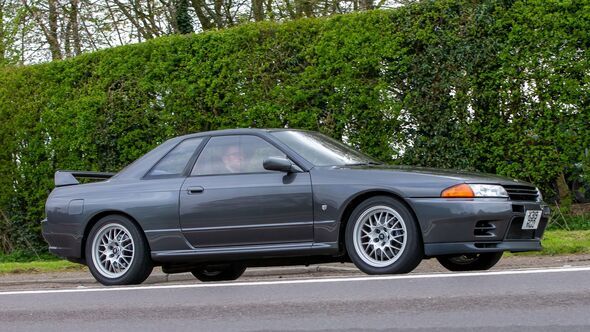
A new Parliament petition has called for the introduction of a new VED tax band covering cars first registered between 20 and 39 years ago. The sensible plan would see older vehicles enjoy a 50% VED reduction and would encourage road users to keep hold of older models instead of sending them to the scrapheap.
Campaigners argued that keeping a functional 20-year-old car on the road is greener than just buying a new one, as it would preserve the embedded carbon already spent. The maths are simple. Previous research from Footman James found that the average classic car emits just 563kg of CO2 per year.
Meanwhile, an average passenger car has already produced a staggering 6.8-tonne carbon footprint immediately after rolling off the production line. Historic vehicles registered after 40 years are exempt from VED rates, so why should a 38 or 39-year-old car from the late 1980s be treated differently?
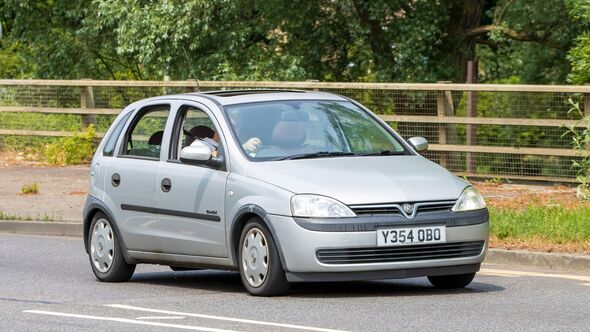
The same goes for vehicles built in the early 2000s. These cars are not only cleaner than many classic cars that don't pay, but are being ditched by owners due to staggering tax charges. Under the current VED bands, cars registered between 2001 and 2017 are charged on emission rates, with many family models from the early 00s set to pay £790 from April.
It's way too much when standard VED rates for newer models after 2017 will be set at just £200 in 2026. The bottom line is that it has almost nothing to do with emissions at all and everything to do with money.
VED is one of the Government's biggest income generators and cutting costs would leave Reeves with another gaping hole to fill in the public coffers. And we all know how she dealt with the last one. The Treasury admitted as much when they rejected the campaigners' proposals earlier this week, stressing that "revenue from motoring taxes helps ensure we can continue to fund the vital public services and infrastructure".
They went on to add that cash generated through VED could commit over £2 billion annually for local authorities to repair, renew and fix potholes on their roads. It's a clever ploy from Labour. Play at motorists' heart strings that their money is being well spent on vital road repairs after no doubt rattling along Britain's roads like a bag of spanners in a tumble dryer so large is the pothole problem.
What happened to the £1.6billion the Government allocated to filling potholes in 2025 and 2026? Do you notice the difference? However, the Government can't stop the court of public opinion and with over 40,000 signatures, road users clearly back the idea of a new tax band.
Since the Government rejected the poll, at least a further 2,000 signatures have been added to the list. With still over four months to run until the deadline on August 6, passing 100,000 seems like a sure-fire certainty.
How will Labour defend its stance to the British public when the issue is debated by MPs in the House of Commons? Will Reeves then decide to back down and give motorists the tax cut they are demanding?
Contact to : xlf550402@gmail.com
Copyright © boyuanhulian 2020 - 2023. All Right Reserved.