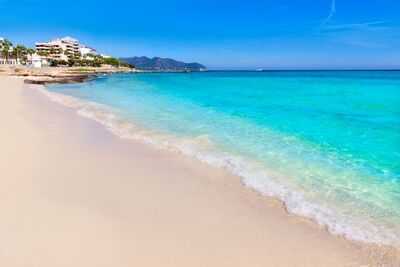
Two popular beaches on Spanish islands have been closed off due to an unpleasant, stomach-churning water issue.
Due to the presence of 'faecal contamination' just weeks ahead of the peak Easterseason, two sandy stretches that'll see huge numbers of visiting Brits in the coming weeks have been shut down.
The first beach to close to the public is in Playa Blanca, Lanzarote, a popular spot in the spring thanks to its warm weather. An area known locally as the 'small beach' closed yesterday (March 24), with reports from local news outlet Canarian Weekly showing barriers in place preventing people from entering the sea.
Officials have said in a statement that the closure will last for 48 hours while laboratory results are analysed. Tests showed an elevated level of intestinal enterococci, a type of bacteria found in human and animal gastrointestinal tracts.
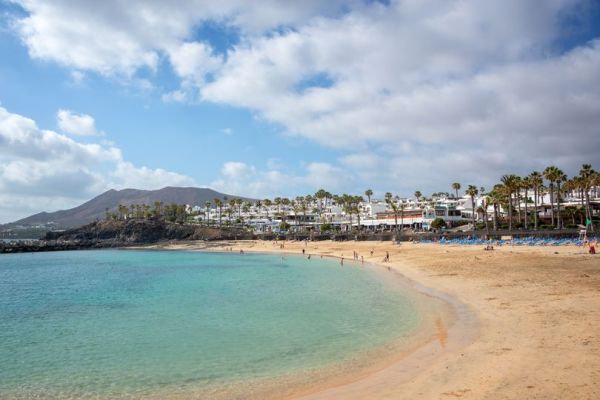
However, public health officials have said that nearby beaches, including Playa Dorada and Playa Flamingo, are still open. Local government organisation Ayuntamiento de Yaiza is expected to give updates soon.
On another popular tourist island, Majorca, a beach in Cala Millor, has been closed after a broken pump led to a sewage spill. According to Majorca Daily News, locals reported seeing large amounts of wastewater running from the promenade and into the waters of Platja Petita.
The incident was reported yesterday, with the spillage continuing into the night. While the situation is now described as 'under control', the beach will remain closed for two to three days.
Cala Millor is found on the east coast of Majorca, and this tourist resort is particularly popular with Brits thanks to its long sandy Blue Flag beaches and large number of bars and nightclubs.
It's not the first time the Balearic Islands' beaches have faced closure due to contamination. Earlier this year it was revealed that incidents of 'faecal contamination' had doubled in 2025, with 92 cases recorded in 2025 alone.
Of the 92 incidents, 20 resulted in bans on swimming and bathing, while the other 72 led to advisories that warned visitors not to enter the water.
While a recent report by the Marilles Foundation showed that, overall, 70% of the Balearics' beachesreceived an excellent rating for water quality, the figures varied between islands. In the little-visited island of Formentera, 100% of its beaches were rated as excellent, and in Menorca, the figure was 80%. In Ibiza, 63% were excellent, while 32% had a good rating and 5% were sufficient. According to the report, all the areas of insufficient water quality were in Majorca, highlighting Albercuix in Pollensa and Cala Egos in Santanyí as two particular areas of concern.
• Five beautiful countries that will pay Brits up to £70,000 to move there
• Unspoilt English town with cobbled lanes and independent shops is like stepping back in time
The foundation, who raise awareness of marine conservation, has recommended tighter monitoring of the number of beachgoers and boats. At the moment, only Menorca keeps track of numbers, although plans over the next three years are to implement a new project using sensors to monitor numbers at 150 beaches, which is set to cost the islands €4 million (about £3.5 million).
Have a story you want to share? Email us at webtravel@reachplc.com
Ensure our latest stories always appear at the top of your Google Search by making us a Preferred Source. Click here to activate or add us as your Preferred Source in your Google search settings.
Contact to : xlf550402@gmail.com
Copyright © boyuanhulian 2020 - 2023. All Right Reserved.