
Research suggests a 4p pill might assist those grappling with anxiety, low mood and low energy. If you regularly feel drained, tired, and downcast, the culprit could be a vitamin B12 deficiency.
The only way to check for a vitamin B12 deficiency is to speak to your doctor, discuss your symptoms, and ask for a blood test if your GP thinks it is important. Common warning signs of a vitamin B12 deficiency, according to the NHS, include shortness of breath, headaches, indigestion, loss of appetite, palpitations, vision problems, feeling weak or tired, diarrhoea and mouth ulcers.
Some of these symptoms can also occur in people with vitamin B12 or folate deficiency who have not developed anaemia. Vitamin B12 deficiency can also cause symptoms that affect your brain and nervous system (neurological symptoms), including:
- TV star says she had to give up weight loss jabs after one month due to struggles
- Mum with cough for months told she had asthma, but truth was much worse
- numbness
- muscle weakness
- psychological problems, which can range from mild depression or anxiety, to confusion and dementia
- problems with balance and coordination
- pins and needles
- incontinence
problems with memory, understanding and judgment (cognitive changes)
Based on multiple studies, anyone who is deficient in vitamin B12 may benefit from supplementation if their doctor recommends it. There's even evidence linking depression to vitamin B deficiency. A lack of vitamin B12 could lead to vitamin B12 deficiency anaemia.
Vitamin B12 occurs naturally in animal-based foods, including eggs, fish and red meat. While some people consume enough B12, their bodies may struggle to absorb it properly.
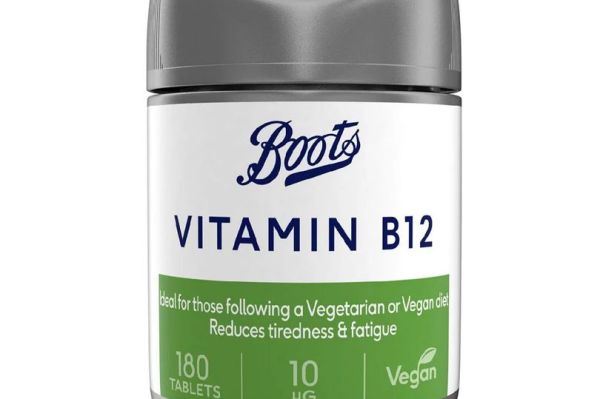
A B12 deficiency can affect well-being in numerous ways - including potentially mental health. While a deficiency may not always be the sole cause of neurological conditions like depression, it is a significant biological factor that can trigger or worsen symptoms. Treatment typically involves oral supplements or, in more severe cases, B12 injections prescribed by a healthcare provider.
Boots stocks a container of 180 Vitamin B12 Tablets priced at £7.65 – working out at roughly 4p each. Several other health retailers like Superdrug and Holland and Barrett also stock similar tablets.
It's crucial to speak to your GP first to exclude other potential health issues that may be causing your low mood and lack of energy. Try to avoid implementing any significant dietary or lifestyle changes without first seeking professional guidance. It is vital to consult a doctor before trying any over-the-counter tablets to ensure they are suitable for you, especially if you are already taking medication.

Does research show there is a link between low mood and vitamin B12?
Studies indicate a strong connection between feeling down and low vitamin B12 levels, especially when someone is deficient. Vitamin B12 is crucial for the production of neurotransmitters such as serotonin and dopamine, which help regulate our mood. If someone doesn't have enough of it, they might face mental health problems like depression, irritability, and trouble thinking clearly.
Research published in the Journal of Psychopharmacology uncovered evidence suggesting that declining vitamin B12 levels corresponded with increased depression. Further research validated that vitamin B12 influences the body's 'feel-good' chemicals, notably serotonin and dopamine.
Scientists say that B12 deficiency impacts mood, emotional state and sleep patterns, potentially triggering psychiatric conditions – including anxiety. Potential psychological advantages from rectifying your B12 levels might include:
- Calming stress and anxiety to balance moods.
- Psychological well-being.
- Assisting in normal nerve growth and development.
- Improving communication between nerve cells.
- Promoting stable adrenal function.
- Providing emotional and mental energy.
- Helping with the ability to concentrate.
- Bolstering memory function.
It's important to understand that a lot of these benefits are especially noticeable in people who already have a B12 deficiency. Studies on how B12 affects mood in people without a deficiency have yielded mixed results.
A separate study examined vitamin B12's significant impact on mental well-being. It observed: "Psychiatric manifestations of vitamin B12 deficiency can include depression, apathy, irritability, dementia, catatonia, delirium, and hallucinations. Higher vitamin B12 levels are thought to be associated with a more favourable outcome in depression."
The NHS states that vitamin B12 plays various vital roles in the body, including maintaining a healthy nervous system. Being deficient can also result in severe fatigue and depleted energy levels. Research indicates that insufficient vitamin B12 may trigger tiredness, weakness, memory problems, and additional neurological difficulties.
What foods are rich in vitamin B12?
Sources abundant in vitamin B12 include numerous protein-rich options, including lean meats, poultry, eggs, seafood, beans, peas, lentils, nuts and seeds, and soy-based products. Fish and red meat rank amongst the finest sources of vitamin B12 as well.
The NHS says: "Adults (aged 19 to 64) need about 1.5 micrograms a day of vitamin B12. If you eat meat, fish or dairy foods, you should be able to get enough vitamin B12 from your diet. But as vitamin B12 is not found naturally in foods such as fruit, vegetables and grains, vegans may not get enough of it. Read about the vegan diet for nutrition information and advice."
The Department of Health and Social Care says you should be able to get all the vitamin B12 you need by eating a varied and balanced diet. If you take vitamin B12 supplements, do not take too much, as this could be harmful. Taking 2mg or less of vitamin B12 per day in supplements is unlikely to cause any harm.
Contact to : xlf550402@gmail.com
Copyright © boyuanhulian 2020 - 2023. All Right Reserved.