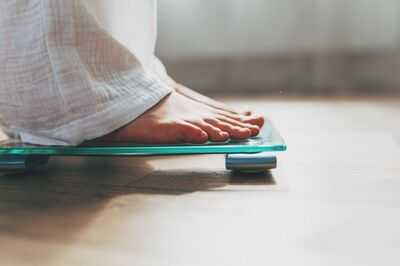
A nutritionist has shared a simple diet rule to stop you from snacking and help you lose weight. You may not realise that your habits are hindering your weight loss efforts.
Weight loss is a common goal for many people. While many of us understand the basic principle of eating less and moving more, it is not necessarily that simple.
In a video uploaded to social media platform TikTok, personal trainer and nutritionist Luke Hanna urged people against “over-restricting”. Though you may think you’re sticking to a healthy routine this way, you’re actually increasing your risk of caving and eating something unhealthy and calorie-dense.
- Lawyer explains the 3 things you can do if someone parks on your driveway
- Stop frying bacon in oil when natural alternative makes it even tastier
The expert acted out a scene in which one character was trying to diet but had consumed a whole bag of chocolates in one sitting. He said: “I can't believe I've done it again.” In response, Luke, speaking as himself, asked: “What’s the problem?”
The dieter said: “It's only 2pm and I've eaten like half my calories for the day in chocolate.” Luke said: “So you're trying to improve your health and you're trying to lose weight.
“But when those cravings hit, it's just game over. Well, what else did you eat today?”
To this, the person trying to lose weight explained how they missed breakfast. They said: “Well, I skipped breakfast to save some calories, had a coffee and then a small salad and chicken for lunch.”
Luke replied: “Well, that explains it.” The dieter was surprised, saying: “Apart from this [the chocolates] that's being good, isn't it?”
Luke said: “Yeah, I'm sure you think that, but all you've done is undereat all day and then expect willpower to save you later on when your body reacts.”
Rather than just restricting yourself completely, Luke said you need to be in a calorie deficit. This means eating fewer calories than are needed to maintain your current weight.
Therefore, to successfully achieve this over a sustained period of time you should not “over-restrict” yourself, Luke said.
He continued: “Well, you need to be in a calorie deficit, of course, but more protein, more fibre and more overall food early in the day will make it easier to adhere to.” The dieter said: “So you're saying this is not me being weak?”
Luke replied: “No, by doing what you've been doing, you're just ensuring that you're spending the entire day fighting your mind and body. I see this pattern all the time with my clients, most out-of-control snacking is just the result of over-restriction, and when you stop under-fuelling, you'll start to get results.”
Calorie countingAs part of the Better Health programme, the NHS provided a guide on how many calories you should be consuming to lose weight. It said: “The amount you eat is just as important as what you eat – no matter how healthy your diet is, you can still put on weight if you are eating too much.
“Having more calories than your body needs each day can lead to weight gain.” It added: “To lose weight, the average person should reduce their daily calorie intake by 600kcal.”
In general, this will mean having:
- 1,900kcal per day for men
- 1,400kcal per day for women
However, it is important to note that the amount of calories you need will vary depending on a range of factors, including your age, how active you are, and any health issues you have. To help you count calories, the NHS says you should:
- Check the labels on shop-bought foods
- Try weighing your portions
- Keep a food diary
- Remember to include the calories in oil and spreads, toppings or accompaniments, and sauces, such as mayo and ketchup
If you’re trying to lose weight, it is still important to eat a healthy, balanced diet. The NHS said: “It can be tricky to know what to do with your meals if you're trying to lose weight.”
Tips provided by the NHS for doing so are:
- Aiming for two or more portions of veg in a main meal
- Always include some protein – like beans, pulses, fish, eggs, lean meat or other types - in your meals
- Try to have wholegrain versions of carbs where you can
- If you eat fish, try to have two portions a week.
- Pick lower-fat milk and cheese and go for lower-fat and lower-sugar yoghurts
- Choose unsaturated fats over saturated such as olive, sunflower and rapeseed oil
- Choose lower-fat spreads and only eat it in small amounts.
- Drink six to eight cups of fluid a day
For more information, visit the NHS website here.
Contact to : xlf550402@gmail.com
Copyright © boyuanhulian 2020 - 2023. All Right Reserved.