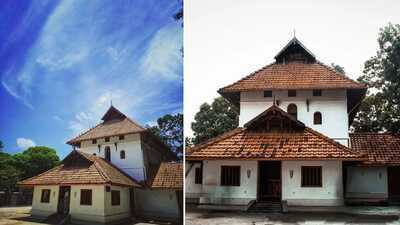
New Delhi: Cheraman Juma Masjid stands in Kerala’s Methala, Kodungallur, and is widely regarded as India’s first mosque, believed to have been established in 629 AD. Built under patronage of Chera ruler Cheraman Perumal and associated with Persian scholar Malik Ibn Dinar, this historic site reflects early Arab trade links along Malabar coast. Unlike many later Islamic structures, the mosque features traditional Kerala architectural elements, including a sloping roof and wooden detailing that resemble temple design.
Over centuries, it has undergone careful renovations while preserving its ancient core. The old prayer hall, inner sanctum-like space and centuries-old oil lamp continue to draw visitors. Located near ancient port of Muziris, Kodungallur was once a thriving centre of maritime exchange. Today, the mosque remains both a place of worship and a living symbol of cultural dialogue. During Ramadan, many travellers include it in spiritual journeys across Kerala. Here are the key details.
Temple style architecture and history of India’s oldest mosque Origins in early Malabar tradeThe mosque is believed to have been founded in 629 AD, making it one of the oldest Islamic prayer spaces in the world. Tradition links its establishment to Cheraman Perumal, the last Chera ruler, and to Malik Ibn Dinar, a scholar associated with early Islamic missions along the Malabar coast. Kodungallur, close to ancient Muziris, was then a thriving maritime hub connecting Kerala with Arabia and Persia.
Temple like design that sets it apartUnlike domed Mughal era mosques seen elsewhere in India, the structure follows traditional Kerala style. The facade resembles a temple, complete with sloping tiled roof and wooden craftsmanship. This architectural blend reflects cultural coexistence rather than conflict, shaped by centuries of trade and shared community life.
Renovations through centuriesHistorical accounts note renovations in the 11th century and again around three centuries ago. Extensions were added in 1974, 1994 and 2001, while the ancient core was carefully preserved. The most recent restoration, completed around 2022, aimed to revive traditional features without disturbing its heritage character.
Ancient lamp and sacred spaceInside the mosque, an oil lamp believed to be over 1,000 years old continues to burn. Placed in the inner hall, it is maintained with deep reverence and symbolises continuity of faith across generations.
Pilgrimage and heritageToday, the mosque is not only a place of worship but also a symbol of early Islamic presence in India. Visitors during Ramadan often describe it as a space where faith, history and Kerala’s multiple cultural identity come together.
Set against backdrop of Kerala coastal history, Cheraman Juma Masjid stands as a quiet reminder that trade, travel and dialogue shaped India spiritual landscape centuries ago.
Contact to : xlf550402@gmail.com
Copyright © boyuanhulian 2020 - 2023. All Right Reserved.