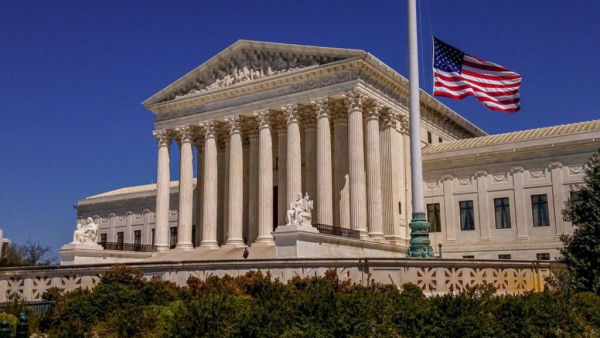
The U.S. Supreme Court delivered a decisive message on February 20: the president cannot use emergency powers to impose sweeping tariffs.
In a 6–3 decision, the Court ruled that the International Emergency Economic Powers Act does not give the White House blanket authority to levy broad import taxes. The administration had relied on that law to justify its tariff strategy. The justices disagreed, calling it an overreach.
The ruling wipes out tariffs that were specifically enacted under that emergency framework. But here’s the catch it doesn’t dismantle every tariff currently affecting global trade.
A Quick Pivot from the White House
Within hours of the decision, President Trump signaled he wasn’t backing down. At a press conference, he said he would move forward with a 10 percent global tariff through a new order. He also directed federal agencies to investigate what he described as unfair trade practices by other countries, a move that could trigger additional duties under different legal authorities.
That matters because most auto- tariffs were not imposed using the emergency law the Court just struck down. Instead, they fall under Sections 232 and 301—trade rules tied to national security and unfair trade practices. Those remain untouched.
Car Prices: No Immediate Relief
If you were hoping this ruling would suddenly make cars cheaper, it’s not that simple.
Over the past year, tariffs have pushed vehicle prices higher across the board. Cars assembled in Canada saw price increases close to 10 percent in just seven months, an average jump of nearly $4,000. Vehicles built in Japan rose by more than $3,000, while German models climbed by almost $2,800.
And most of those tariffs? Still in place.
The administration did offer limited relief last August, allowing manufacturers paying the 25 percent auto import tariff to avoid additional steel and aluminum duties. That carve-out remains intact.
So for now, dealerships aren’t expected to slash prices overnight.
Automakers Stay Cautious
Car companies are taking a careful tone. Ford said it is reviewing the ruling and evaluating its impact, while continuing to work with policymakers on trade policy. General Motors, Nissan, and Toyota declined to comment.
Behind the scenes, there’s another issue brewing: refunds.
Justice Brett Kavanaugh, in dissent, warned that undoing these tariffs could trigger a complicated scramble by companies seeking to recover money already paid. If that happens, we could see legal fights over billions of dollars in tariff costs, many of which were ultimately absorbed by consumers.
What This Really Means
The Supreme Court tariff ruling changes the legal boundaries of presidential power. It doesn’t automatically lower prices. It doesn’t end trade tensions. And it doesn’t bring instant clarity to the auto sector.
What it does is inject fresh uncertainty.
With new tariffs potentially on the way and existing ones still standing under other laws, automakers and buyers are left in a familiar position: waiting to see what happens next.
Contact to : xlf550402@gmail.com
Copyright © boyuanhulian 2020 - 2023. All Right Reserved.