
People trying to improve their heart health could need to adjust their bedtime and improve their sleep habits. While most of us understand the importance of maintaining a healthy weight and controlling cholesterol for heart health, factors such as sleep are sometimes overlooked.
However, managing stress levels, getting good rest, and prioritising sleep can all contribute to heart health, a cardiologist has explained. The expert advice was shared in a previousblog postfor Guy's and St Thomas' NHS Foundation Trust.
Dr Sonya Babu-Narayan, a consultant cardiologist at Royal Brompton Hospital and Associate Medical Director at the British Heart Foundation, advised people to 'be kind to yourself' when sharing ten tips for a healthy heart.
- Doctor Amir Khan shares how to get back to sleep if you keep waking up at 3am
- Cardiologist says 'never ignore' these 10 symptoms of heart disease
She explained: "Working to reduce your stress levels could lower your blood pressure and help you avoid developing unhealthy habits that you may turn to in order to cope. It’s also important to make sure you’re well rested, as getting enough sleep is important for both our general well-being and the health of our heart and blood vessels. Most adults should aim for seven to nine hours of sleep each night."
As such, people who don't regularly get seven to nine hours of sleep may need to adjust their alarm clock to ensure they're getting enough rest or go to bed earlier. The NHS adds that sleep is important for mental health and wellbeing too.
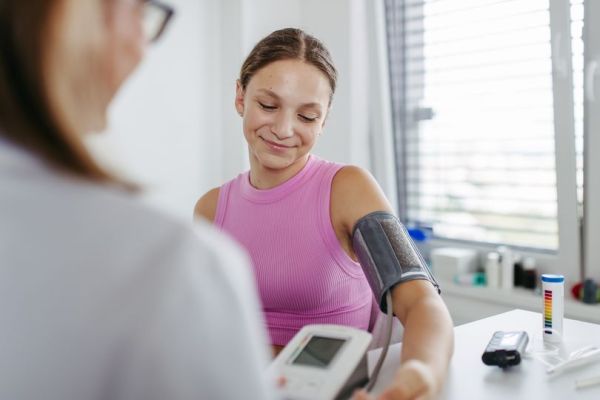
Dr Babu-Narayan also emphasised the importance of eating well, exercising regularly, and controlling blood pressure and cholesterol. "A healthy balanced diet is vital for gut and heart health. Aim to eat less sugar or salt, avoid ultra-processed food, and instead eat more wholegrains, fruit and vegetables," the expert said.
"Aim for 150 minutes of moderate intensity activity a week. You don’t have to hit the gym – a brisk walk, or an activity like gardening can help keep you fit without spending a lot of money."
She also urged people to know their own medical history and if their family has a history of cardiovascular disease, which could be important if they ever need to seek medical advice for any symptoms. Knowing the symptoms of a heart attack could help to save lives, the doctor added.
Dr Babu-Narayan said: "A heart attack is a medical emergency that can happen at any time to anyone, regardless of gender. It’s crucial that everyone knows the symptoms of a heart attack, as getting treatment quickly can save your life.
"Symptoms can vary between people, and can include pain or heaviness in your chest, discomfort spreading into your arms, neck, jaw, back or stomach, and feeling sick, sweaty light-headed or short of breath."
Call 999 immediately if you think someone might be having a heart attack.
Contact to : xlf550402@gmail.com
Copyright © boyuanhulian 2020 - 2023. All Right Reserved.