
Adults often skip their vaccine shots, thinking they are stuff for kids. But when immunity fades, vaccines work like chargers to boost the system. Infectious diseases expert
Dr V Ramasubramanian from Apollo Hospitals, Chennai talks to Pushpa Narayan about poor awareness, biases and costs, and the need for a strong health policy for adult vaccines
Why should adults take their vaccinations seriously?
It’s because adults need them too, especially as we age. The body’s immune system builds up slowly after birth and keeps maturing through your first 15-20 years. That’s why kids get frequent infections — the system is still learning the ropes. With every germ the body encounters, it gets stronger. But with age, the immune system in most people starts to weaken. We call this immunosenescence — it’s like the defences get rusty, making it harder to fight infections, cancer, or other threats. Vaccines act like a recharge for those fading batteries, boosting response just when needed. Plus, many childhood vaccines wear off and need boosters by rule. Tetanus shots must be taken once every 10 years. Pneumococcal vaccines go to kids first, but adults over 50 or with diabetes, hypertension, lung, kidney, or heart disease get another dose. Adults who work in crowded and closed office spaces are at higher risk of flu. Flu shots are annual, since immunity drops in 6-12 months and new strains pop up. In short, vaccines keep adults protected when natural immunity can’t keep up.
Is there a vaccine schedule for adults, just like there is one for kids?
Absolutely. Major health bodies from the US, UK, and other developed countries lay out baseline schedules for adult vaccines by age group, covering routine shots tailormade for their own populations. Annual flu vaccines are for all ages, and tetanus-diphtheria boosters are once every 10 years. HPV is recommended up to 45, and shingles starting at 50. Doctors can also customise vaccines based on one’s job, lifestyle or health issues. A person working in a lab around meningococcus — the bacteria that causes meningococcal disease, either meningitis (brain/spinal swelling) or sepsis in the blood — requires a targeted shot. Travellers might need a yellow fever, typhoid, hepatitis A, or Japanese encephalitis shot, depending on the place of visit.
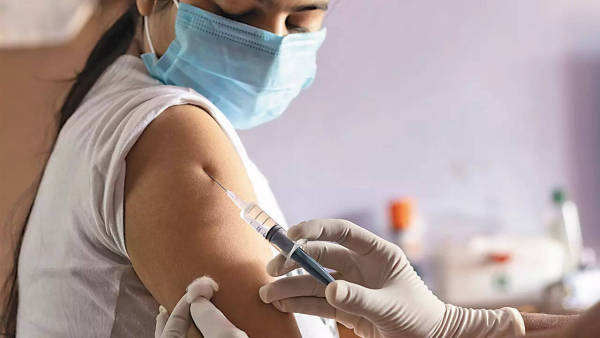
How many Indians get routine adult vaccines?
Hardly any — rates hover under 5% for most vaccinations. Hepatitis B in adults is about 1.5%, annual flu less than 0.5%. Pneumococcal stands at 0.8% and typhoid conjugate is around 1%. The gap is mainly due to awareness. People don’t grasp the death toll and hospitalisations that these infections can cause. The Covid pandemic flipped that and fear drove people to get vaccinated. Everyone witnessed infections, ERs, and funerals. Most diseases today are under-tested, underdiagnosed, and under-reported. Take typhoid, where the outdated Widal test lingers in most parts of India despite modern guidelines rejecting it.
Also, vaccines aren’t in Indian medical curricula or doctors’ guidelines, unlike US/Europe schedules. All these leave people with some biases. First is optimism bias — they believe vaccines are not required as they’re less likely to get sick or have bad reactions. Second is confirmation bias — when people read or hear about rare vaccine side effects, they seek stories confirming fears and ignore data on benefits or disease risks. Social media amplifies this, making hesitancy harden into cognitive dissonance. People debate about the vaccine but reject vaccine information and stick to thoughts like “natural immunity is best”.
Vaccinated adults still get infected or hospitalised. Does this make people even more hesitant?
Exactly. People see breakthrough cases and think vaccines fail. No vaccine offers 100% protection. When we say 90% efficacy, it doesn’t mean 90 out of 100 people are fully shielded. It means severity, hospitalisation and death drop by 90% across the board. People might still catch infections, even land in hospital, but risks plummet. Covid vaccines didn’t stop all infections, but those fully vaccinated did well. Vaccines aren’t a total guarantee, they slash complications, hospital stays and fatalities. That’s a big deal, especially for those at high risk.
Does cost play a role in hesitancy?
Absolutely. A single dose of shingles vaccine can cost Rs 10,000. A family must spend at least Rs 40,000 to get two people fully vaccinated with two doses. Doctors’ bodies have urged insurance firms to cut premiums for vaccinated adults. But India needs a robust adult vaccination policy too. ICMR plans a pilot on flu/pneumococcal shots for over-65s in key areas. It will show cost savings. Govt may roll out adult vaccines post results. For now: get them if you can afford to or if your doctor flags a risk.
Do vaccines work in adults the same way as in children?
Yes, but adult responses vary by age and comorbidities. Still, get vaccinated — it’s worth it. Chickenpox is milder in kids, but a vaccination prevents shingles risk later. Hepatitis A hits kids lightly too, but adults face high death odds from liver failure. Vaccines cut those severe outcomes sharply in adults, just as they shield kids from the full brunt.
Contact to : xlf550402@gmail.com
Copyright © boyuanhulian 2020 - 2023. All Right Reserved.