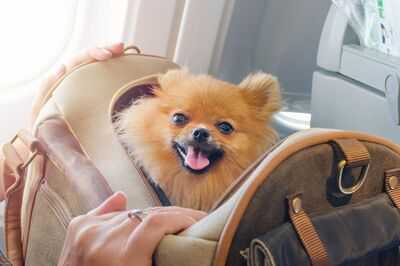
Every pet owner has found themselves missing their cuddly companion when away from home. If you're particularly close to your dogor cat, you might even be wondering whether it's possible to take them with you. Policies vary from airline to airline, as does the cost. It's also worth checking the requirements for bringing pets to your destination, as well as returning to the UK with your pet, as you'll need to follow a number of steps to get them through customs.
Here's what some popular airlines say about travelling with animals.
TUI
Pets aren't allowed in the cabin of TUI's aircraft, although registered assistance dogs can travel with their owners for free. Any other animals need to travel in the hold, and TUIsay pets will usually go on the same flight as their owners. Its website reassures owners that: "The hold is pressurised and at the same temperature as the passenger cabin."
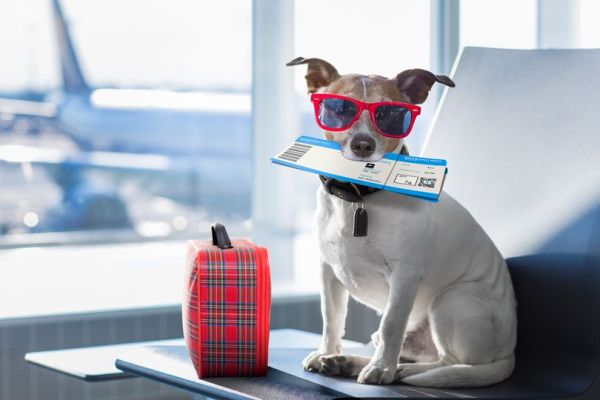
Pets need to be kept in a travel box with a water bowl, and cannot be medically sedated, although herbal calming products cam be used. Owners will need to call or email TUI beforehand to check whether their pet can be accommodated, as some routes have restrictions, and to arrange for their pet's travel in advance.
EasyJet
EasyJet's policy is clear: "Animals are not allowed on our flights, apart from recognised registered guide and assistance dogs." Animals can not be carried in the cabin or hold.
Passengers travelling with assistance dogs will need to contact the special assistance team in advance, at least 48 hours before the flight, and will need to provide documents that the pet is a trained assistance dog. The dog will also need an animal health certificate, or pet passport if accepted, and the necessary vaccination certificates depending on the destination.
Ryanair
Ryanair also say: "We do not carry animals on board any Ryanair flights, except guide/assistance dogs on certain routes." Assistance dogs need to be registered with an organisation such as Assistance Dogs International (ADI), Assistance Dogs UK, or the International Guide Dog Federation (IGDF).
Ryanair added: "Emotional support or therapy dogs that are not recognized as assistance dogs by the above organizations are not permitted to travel with Ryanair." It also has a list of requirements for assistance dogs on its website.
Jet2
Jet2 does not allow pets in the cabin or hold, and assistance dogs are the only animals allowed onboard. Assistance dogs travel with their owner for free, and Jet2advise that passengers should contact their Assisted Travel Team before travelling so arrangements can be made.
It advises: "Please note an additional seat may be required to ensure there is enough floor space for the assistance dog to lie down, and if this is the case, an additional charge may be applicable depending on the size of the assistance dog." Jet2 also warned: "If the assistance needs (including carriage of assistance dogs) of customers on the same flight create conflicting health issues, we reserve the right to decide how the conflict shall be resolved at our absolute discretion."
British Airways (BA)
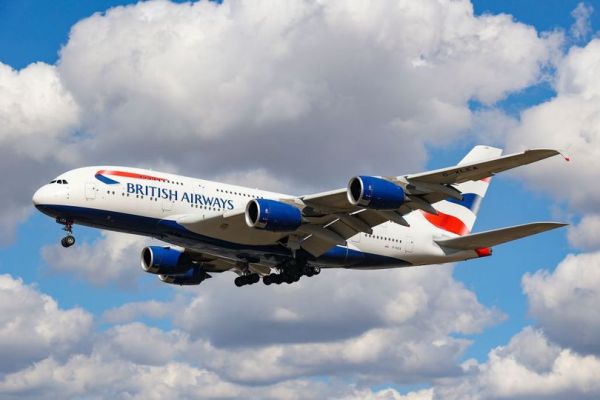
BA advise that all pets must be carried in the hold on flights to and from the UK. It has partnered with cargo services that specialise in the transport of pets, details of which can be found on its travelling with pets page.
BA warn: "British Airways is unable to accept emotional support dogs for travel in the cabin on any British Airways operated flights. Your emotional support dog can travel as a pet." However, it also makes an exception for assistance dogs, which can travel free of charge in the cabin. Assistance dogs will need to be registered and trained with a suitable organisation, and the dog will need to be registered ahead of the flight's departure.
Air France
Air France is one of the few European airlines to allow pets in the cabin, but there are restrictions. It only allows cats or dogs up to 8kg in weight, and up to 75kg in total with its carrier. Pets over this size must go into the hold.
Owners will need to contact Air France before they travel and check the strict list of requirements. Certain breeds with snub-noses will need to be cleared by a vet to fly. This includes pugs, bulldogs, and Persian cats. Pets can't travel in the cabin on intercontinental flights and aren't allowed in business class.
• 1.4million Brits warned to check their passports ahead of summer holidays
• Beautiful and underrated beach in UK's sunniest place added to list of world's best
Vueling
Spanish airline Vuelingalso allow some pets onboard including dogs, cats, birds, and turtles, although they must be kept inside a carrier at all times when in the cabin. It does not allow pets in the hold.
The maximum weight for pets travelling on Vueling is 10kg including the carrier, and it'll need to go under the seat in front of you. Pet owners will need to check the requirements for their destination country and should contact the airline to book their pet's space.
Have a story you want to share? Email us at webtravel@reachplc.com
Contact to : xlf550402@gmail.com
Copyright © boyuanhulian 2020 - 2023. All Right Reserved.