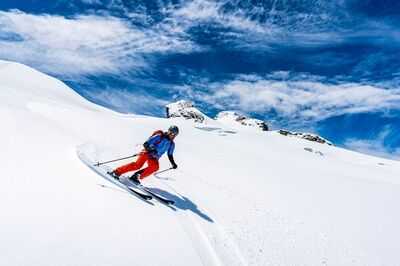
The Winter Olympics have renewed fervour for winter sports among Brits; however, some people may not realise it’s not just their skiing skills being put to the test on the slopesbut their medications too. NHS GP Dr Asimah Hanif explained what the altitude does to people with certain pre-existing conditions.
She warned that people taking medications for blood pressure, diabetes,or respiratory conditions may need to take precautions at high altitudes. This is because the lower levels of oxygen change your blood pressure and respiratory functions, which may mean your regular dose doesn’t work as intended.
Diabetics also face a higher risk of complications like ketoacidosis, as high altitude conditions reduce appetite and increase the likelihood of dehydration. It can also cause unpredictable blood sugar fluctuations and even reduce device accuracy in some cases.
- Olivia Attwood and Pete Wicks party together after split from husband Bradley Dack
- Winter Olympics star BANNED from rest of Games after fighting rival as statement released
Dr Asimah warned: “Altitude can affect how some medicines work, particularly those for blood pressure, diabetes, or respiratory conditions. I'd recommend speaking to your GP before travelling if anyone in the family has a pre-existing condition, especially above 2,500 metres.”
Dr Asimah urged everyone heading to the slopes to follow this checklist:
- Check the altitude of your resort
- Speak to your GP if you or a family member has an ongoing health condition
- Declare all pre-existing conditions when arranging insurance
- Make sure your policy includes winter sports cover
- Build up fitness gradually, especially if you’re new to skiing
Alongside the health risks at this altitude, getting help for medical emergencies also becomes more complicated and potentially more costly. Working with specialist travel insurance provider Staysure, the doctor added: “Standard policies typically exclude winter sports or have limited cover for pre-existing conditions, which is why medical travel insurance and winter sports cover are designed specifically to protect those heading to altitude with health conditions.”
Many resorts are in remote mountains, which can delay access to care, while more serious injuries may require helicopters or specialist flights. Simon McCulloch, Chief Commercial Officer at Staysure: “Medical repatriation is complex. It involves specialist teams, careful coordination, and sometimes long-distance flights. That’s why having the right winter sports cover gives travellers peace of mind, so they can focus on enjoying their holiday.”
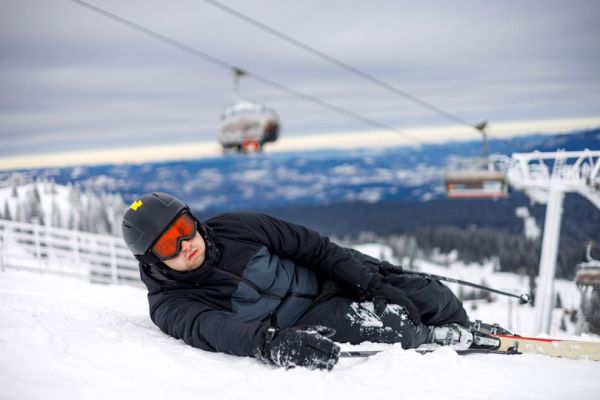
Many popular ski resorts sit above 2,000 metres, with some exceeding 2,500 metres, where thinner air has a range of effects on the body even for otherwise healthy people. This is due to the drop in oxygen levels and increased likelihood of dehydration.
Altitude-related symptoms:
- Headaches
- Dizziness
- Breathlessness
The Winter Olympics have sparked a resurgence in travellers heading to ski resorts, with spending in Europe’s hottest destinations currently up 14% according to InTheSnow.com. Nearly seven in 10 Brits say the Games inspire them to try winter sports.
Contact to : xlf550402@gmail.com
Copyright © boyuanhulian 2020 - 2023. All Right Reserved.