Could your body be quietly signalling a heart problem? Many people worry about blocked arteries or hidden heart disease but assume that only advanced hospital scans can detect trouble. The truth is, while you cannot directly see plaque build-up at home, your body often provides early warning signs, if you know what to look for.
From monitoring your blood pressure to noticing symptoms while climbing stairs, these four simple methods can offer valuable insight into your heart and arterial health. Spotting problems early could make all the difference.
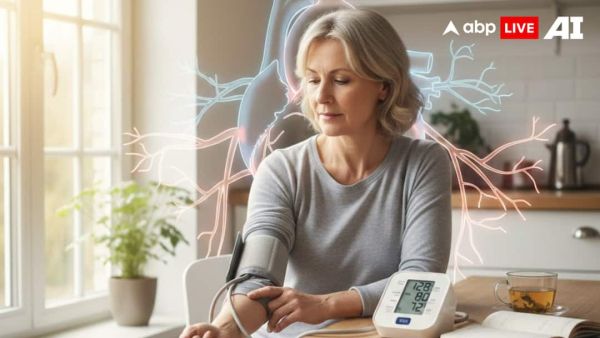
1. Monitor Your Blood Pressure Regularly

One of the easiest and most effective ways to assess heart health at home is by checking your blood pressure consistently.
An upper-arm automatic digital blood pressure monitor is generally considered the most reliable option. Before measuring, sit quietly for at least five minutes. Keep your feet flat on the floor, your back supported, and avoid talking during the reading. Take two readings in the morning and two at night for seven consecutive days. Then calculate the average.
A consistent reading above the normal range may indicate increased pressure on your arteries. Typically, a reading close to 120/80 mmHg is considered healthy for most adults. Persistently elevated blood pressure can strain blood vessels and significantly raise the risk of heart disease and stroke.
If your readings are frequently high, it may be time to consult a healthcare professional.
2. Check Your Ankle-Brachial Index (ABI)
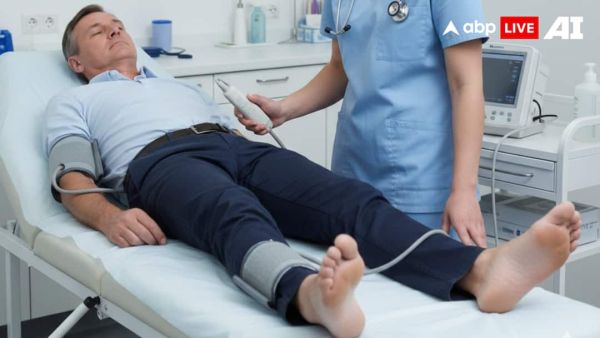
Another important screening tool is the Ankle-Brachial Index (ABI). According to Mayo Clinic, this test compares the blood pressure in your ankles with that in your arms. It helps identify the risk of peripheral artery disease — a condition linked to narrowed arteries and increased cardiovascular risk.
The test requires either two blood pressure cuffs or one device used sequentially on the arm and ankle. Once measured, the ankle pressure is divided by the arm pressure. If the ratio is less than 0.90, it may suggest narrowing of the leg arteries and a higher likelihood of heart-related complications.
Although often performed in clinical settings, the ABI is recognised as a reliable early screening method for detecting circulatory problems before symptoms become severe.
3. Get A Lipid Profile Test
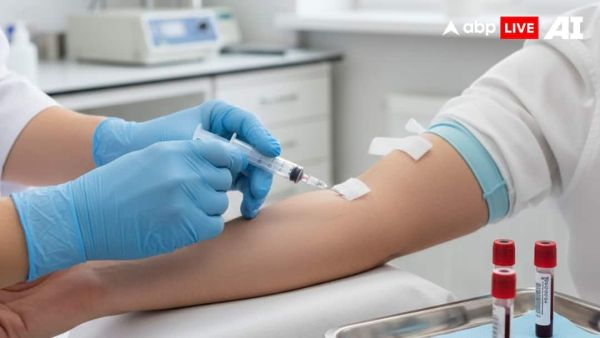
Cholesterol levels play a critical role in arterial health. A lipid profile test measures total cholesterol, LDL (often referred to as “bad” cholesterol), HDL (“good” cholesterol), and triglycerides.
Many laboratories now offer at-home sample collection services, making testing more accessible. In most cases, a 12-hour fast is required before the test unless your doctor advises otherwise.
High LDL cholesterol levels increase the risk of plaque build-up inside arteries, which can eventually restrict blood flow to the heart. Over time, this can lead to coronary artery disease, heart attack, or stroke.
Tracking your lipid profile regularly allows you to identify risk early and take preventive action through diet, exercise, or medical advice if required.
4. Notice Symptoms While Climbing Stairs

Sometimes, your body reveals more than any machine can.
Try climbing four floors of stairs at a steady pace. Pay close attention to how you feel. If you experience chest tightness, unusual breathlessness, pain spreading to the jaw or arm, dizziness, or extreme fatigue, stop immediately.
These symptoms, particularly if they occur during physical exertion, may point to exertional angina, a potential indicator of reduced blood flow to the heart due to narrowed arteries.
Also note how quickly symptoms appear and whether they worsen with activity. Persistent or recurring discomfort during exertion should never be ignored.
When To Take These Signs Seriously
While these home checks cannot replace medical imaging or professional diagnosis, they can highlight early warning signs. Heart disease often develops silently over years. By the time obvious symptoms appear, the condition may already be advanced.
Regular monitoring, awareness of physical signals, and timely consultation with a healthcare provider can significantly reduce long-term risk.
Your heart works tirelessly every second. The question is, are you paying attention to what it’s trying to tell you?
[Disclaimer: The information provided in the article is intended for general informational purposes only. It is not a substitute for professional medical advice, diagnosis, or treatment. Always seek the advice of your physician or other qualified healthcare provider with any questions you may have regarding a medical condition.]
Contact to : xlf550402@gmail.com
Copyright © boyuanhulian 2020 - 2023. All Right Reserved.