
Medical experts have issued a warning about a less well-known sign of a potentially deadly illness that could show up on your pillowcases and bedsheets by morning.
Excessive night sweats that leave noticeable stains could be a warning sign of cancer.
Cancer symptoms generally differ depending on which part of the body the disease develops in. For instance, a lingering cough might suggest lung cancer, whilst discovering blood in your stools could point to bowel cancer.
- Mum issues warning after waking up with rotting legs when she passed out drunk
- Doctor Amir Khan says we're all waking up at 3am for same reason
However, certain indicators are more ambiguous and can easily be missed or misunderstood - such as night sweats. It's entirely normal to perspire to some degree whilst sleeping, affected by things like room temperature and whether you share your bed with a partner.
But if you consistently wake up to discover yourself, your pillow, or your bedding drenched in sweat, it's time to consult a doctor.
The NHS states: "Most people sweat during the night. If you regularly wake up with soaking wet sheets you should get it checked by a GP. Night sweats are when you sweat so much that your night clothes and bedding are soaking wet, even though where you're sleeping is cool."
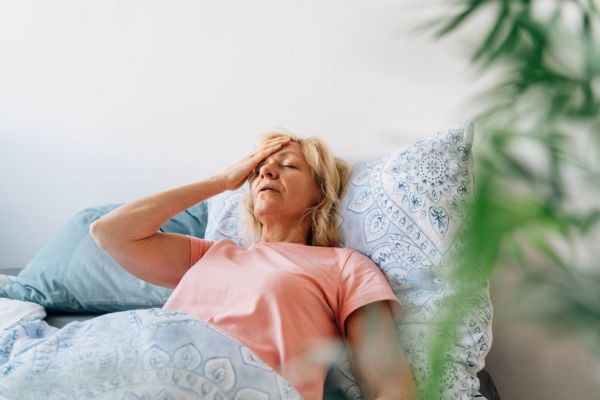
Cancer Research UK includes "very heavy night sweats" amongst the general symptoms of cancer. Nevertheless, they could also be triggered by medication side effects or less severe health conditions.
According to the charity: "Sweating at night or having a high temperature (fever) can be caused by infections or a side effect of certain medications. It's also often experienced by women around the time of the menopause. But speak to your doctor if you have very heavy, drenching night sweats, or an unexplained fever."
The NHS stresses that certain cancers can lead to excessive sweating.
These include:
- Kidney cancer
- Germ cell tumours
- Mesothelioma
- Leukaemia
- Advanced medullary thyroid cancer
- Carcinoid tumours
- Hodgkin lymphoma
- Bone cancer
- Non-Hodgkin lymphoma
- Prostate cancer
Leukaemia Care reports that roughly 30 per cent of individuals diagnosed with the condition experience night-time perspiration.
"It is certainly not unusual to sweat during the night, especially in the summer when your room or bedding becomes too hot," the organisation notes.
"However, severe night sweats that occur to an extent that your bed sheets or pyjamas become soaking wet, despite sleeping in a cool environment, can sometimes be a sign of leukaemia."
The charity differentiates between ordinary nocturnal sweating and symptoms linked to cancer.
"You regularly have night sweats that wake you up at night – you may wake up drenched in sweat, unable to cool down even if your room is cool," Leukaemia Care explains.
"Many describe the feeling as if they had just got out of a swimming pool and laid down in bed."
The NHS advises seeing your GP if:
- You're having night sweats and inexplicably losing weight
- You also have a high fever (or feel hot and shivery), a cough or diarrhoea
- You experience regular night sweats that disturb your sleep or cause concern
Contact to : xlf550402@gmail.com
Copyright © boyuanhulian 2020 - 2023. All Right Reserved.