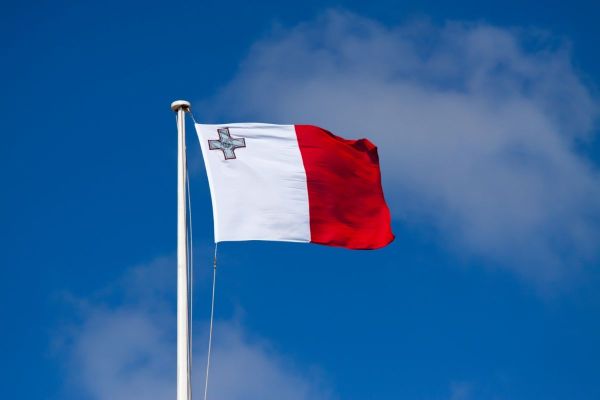
Starting 1 March 2026, Malta will not process a first-time Single Permit application unless the applicant has completed a new mandatory pre-departure course.
If you are a non-EU national planning to work in Malta for the first time, this is now part of the process. No certificate, no application.
The system went live in January 2026, but from March onward, authorities will begin strictly checking for the course certificate during the work permit review.
What Is the Single Permit?
Malta’s Single Permit allows non-EU nationals to live and work in the country with one combined residence and employment authorization.
It is widely used in sectors facing staff shortages, including tourism, hospitality, construction, and care services.
Now, first-time applicants must complete extra steps before even submitting their permit request.
What Is the New Pre-Departure Course?
The course is designed to make sure incoming workers:
- Can communicate in basic English
- Understand workplace rights and duties
- Know what living and working in Malta involves
The idea is simple. Malta wants workers to arrive prepared, not confused.
Part 1: Integration Course (Mandatory for All First-Time Applicants)
Every new applicant must complete Part 1. It includes two online modules:
- Living and Working in Malta
- Rights and Obligations in the Workplace
Each module takes around 10 to 12 hours. There are videos, reading materials, and small assessments at the end.
After finishing the modules, applicants must attend a 20-minute interview. This interview checks:
- Basic English skills
- Understanding of the course content
Interviews are held either at ITS Malta or at approved assessment centres worldwide.
Applicants have up to 42 days to complete this part.
Part 2: Required Only for Certain Jobs
Part 2 does not apply to everyone. It is required for people working in regulated sectors such as:
These roles may require additional training or certification under Maltese law.
If your job falls under this category, you must complete both:
- The Pre-Departure Course
- The Skills Pass requirements
How the Process Works
Here is the order:
- Register on the Skills Pass Portal
- Complete Part 1 online
- Attend the verification interview
- Receive the Pre-Departure Course Certificate
- Submit your Single Permit application
The full process is mostly online, but the interview is mandatory.
From 1 March 2026, the certificate will become compulsory during permit review.
How Much Does It Cost?
The course fee is €250. This must be paid before starting the course.
Who Is Exempt?
If you already hold a valid Single Permit, you do not need to take the course. This applies only to first-time applicants.
Why Malta Is Doing This
Malta’s economy is growing, but unemployment is low, and the population is ageing. The country depends heavily on foreign workers.
At the same time, there have been concerns about worker exploitation, high turnover, and mismatched expectations.
This new system aims to:
- Improve job stability
- Protect migrant workers
- Ensure better integration
- Align migration with actual labour market demand
In short, Malta wants fewer surprises for both workers and employers.
What This Means for Future Applicants
Here’s the practical reality.
The new rule will likely:
- Add time to the application process
- Increase upfront costs
- Make English skills more important
For some applicants, especially those with limited English ability, the interview could become a hurdle.
Employers hiring non-EU workers should factor in the extra time and cost before making job offers.
If you are planning to work in Malta in 2026, build this into your timeline. Start early, prepare for the interview, and make sure your English is strong enough for basic workplace communication.
Because from March 2026 onward, this is no longer optional.
Follow and connect with us on Facebook, Twitter, LinkedIn, Instagram and Google News for the latest travel news and updates!
Contact to : xlf550402@gmail.com
Copyright © boyuanhulian 2020 - 2023. All Right Reserved.