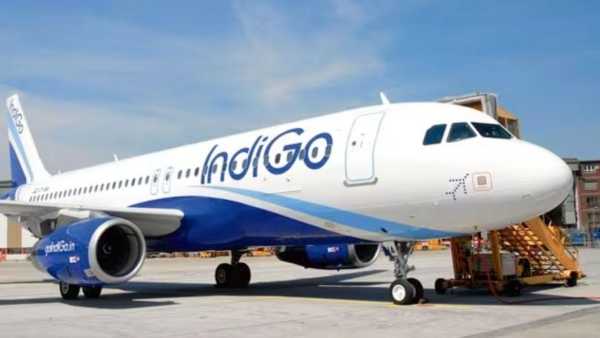
Indigo, one of the country's biggest airline companies, has not been having a good time for some time. In the month of December, Indigo had to face a lot of criticism on the issue of flight cancellation. Even orders for investigation have been issued by the regulator. Even a fine of crore rupees has been imposed. There was a continuous problem regarding shortage of pilots and flight operation. Due to which the company had to give up many slots. After years, it was seen how Indigo, which had its dominance in the domestic aviation sector, is wavering. Once again Indigo has taken a big decision to establish its dominance. The company is going to recruit more than one thousand pilots. So that neither the passengers nor the company have to face such problems in future. Let us also tell you what kind of news has come out from Indigo.
1000 pilots will be recruited
IndiGo is planning to recruit more than 1,000 pilots, which is one of the largest recruitment drives by an Indian aviation company. India's largest aviation company had to cancel more than 5,000 flights within seven days in December due to a crew shortage after the implementation of new rest rules for pilots. The recruitment includes Trainee First Officer, Senior First Officer and Captain. According to a recruitment notice, the airline is also ready to recruit pilots who do not have flying experience on the Airbus A320 aircraft, which the airline primarily uses. Under the new rules, the number of landings a pilot can make between 12 midnight and 6 am has been limited, and the requirements for weekly rest have also been increased.
Why did the pressure increase in December?
An investigation by civil aviation regulator Directorate General of Civil Aviation (DGCA) found that the airline did not do adequate recruitment nor expedite training for the new rules, leading to excessive pressure on pilots due to frequent transfers, long working days and long periods of empty flying (where they operate flights to other locations by traveling as passengers). A senior official said that the airline is actively preparing for the continuous recruitment of pilots in view of the increasing number of its aircraft. Apart from this, the airline also has a strong internal training system, under which around 20-25 First Officers are promoted to the rank of Captain every month. On average, the airline adds about four new aircraft per month.
When was the captain of the plane made?
The increase in the number of pilots requires a continuous training process in airlines, as trainee first officers have to undergo six months of training before becoming first officers. Only first officers with at least 1,500 hours of flying experience are eligible to be promoted to captain, although this limit may be higher at different airlines. According to regulator DGCA, airlines are required to have three sets of pilots, including a captain and a first officer per aircraft. However, for IndiGo this requirement more than doubles, as the airline makes heavy use of the aircraft.
What was found in DGCA investigation
The DGCA investigation into the plane crisis in December found that IndiGo required 2,422 captains, but according to the airline, it had only 2,357 captains. Following the crisis, the regulator had to temporarily relax night duty restrictions until February 10. The airline is also restructuring its network to allow for greater intervals between flights. This gap was negligible in December, but has increased to 3 percent in February, while the level of standby crew has been increased to a minimum of 15 percent.
In its investigation, the DGCA had said that the main focus was on maximum utilization of crew, aircraft and network resources, which significantly reduced the roster buffer margin. The crew roster was designed to maximize duty duration, with greater reliance on empty flights, tail swaps, extended duty patterns and minimum recovery margins. DGCA said that due to this the roster could not be fully implemented and it had a negative impact on the operational capacity.

Contact to : xlf550402@gmail.com
Copyright © boyuanhulian 2020 - 2023. All Right Reserved.